The security apparatus surrounding the Holy See faces a grim reality check following a targeted bomb threat against the private residence of the brother of Pope Leo. While the immediate danger was neutralized by local law enforcement and specialized ordnance disposal units, the event reveals a widening gap in the protection of those within the papal orbit. This was not merely a prank or a vague digital warning. It was a precise strike at the emotional core of the papacy, exposing how the relatives of high-ranking Vatican officials have become the soft underbelly of ecclesiastical security.
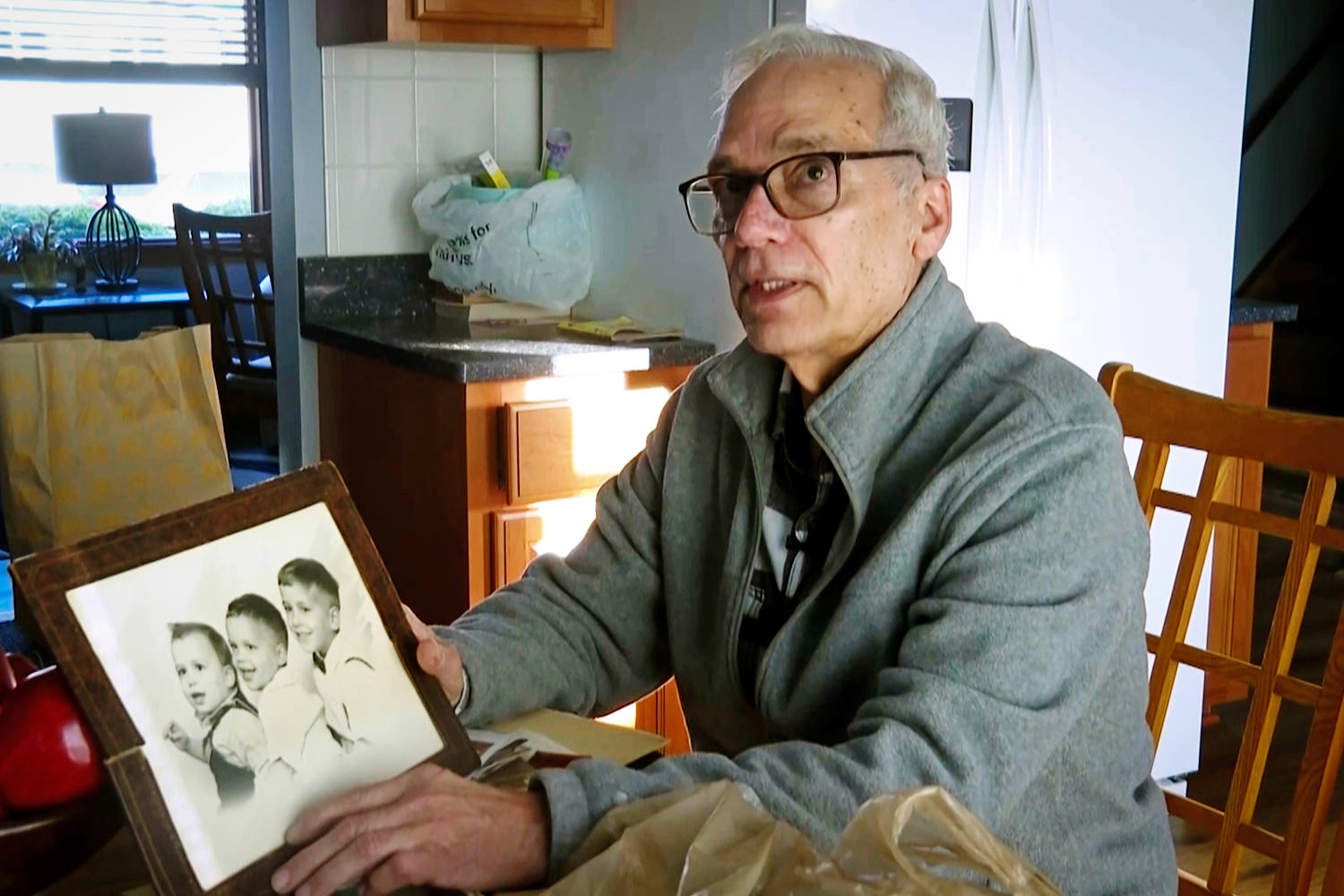
The investigation centered on a residential property where the Pope’s sibling resides, a location far removed from the fortified walls of the Vatican City State. When local police cordoned off the area and conducted a sweep of the premises, they were dealing with more than just a potential explosive. They were managing a geopolitical tremor. The incident forces a hard look at the "Vatican fringe"—the network of family members and close associates who lack the 24-hour protection of the Swiss Guard but remain prime targets for political extremists and lone-actor radicals.
The Vulnerability of the Extended Papal Family
For decades, the security focus of the Holy See remained inward. The walls built by Leo IV and the modern surveillance systems installed around St. Peter’s Square are designed to repel direct assaults. However, the modern threat environment has shifted. Today, the "peripheral target" offers a higher success rate for those looking to destabilize the Church or send a message to the Pontiff.
The Pope's brother lives a relatively modest life, integrated into a standard civilian neighborhood. Unlike a head of state whose family might be moved into secure compounds, the Vatican has traditionally respected the privacy and independence of a Pope’s relatives. This tradition of normalcy is now a liability. Local police forces are often the first line of defense, but they lack the specific intelligence insights possessed by the Vatican’s own Gendarmerie.
This disconnect creates a "security vacuum." Intelligence about threats against the Pope often stays within the sovereign walls of the Vatican, while the local police responsible for his brother’s neighborhood may be operating on outdated or incomplete data. To bridge this, a permanent, integrated intelligence-sharing protocol must be established between the Gendarmerie and the national police forces of the countries where the papal family resides.
Shifting Tactics of Modern Extremism
The bomb threat against the Pope’s brother fits a growing pattern of "proxy harassment." In this scenario, the primary target—the Pope—is too well-protected for a direct hit. Instead, the antagonist targets a loved one to inflict psychological distress or to force a change in policy or rhetoric. This is a tactic borrowed from organized crime and insurgent warfare, now being applied to the religious stage.
We are seeing a rise in what security analysts call "fixated individuals." These are people who develop an obsession with a public figure, often fueled by the polarized discourse surrounding Church reforms or traditionalist pushback. When the Pope takes a stance on migration, climate change, or liturgy, he isn't just making a theological point; he is activating a global network of both supporters and detractors. Some of those detractors are willing to cross the line from online vitriol to physical intimidation.
The Logistics of the Threat
When an explosive threat is phoned in or delivered via mail to a private residence, the response must be clinical.
- Evacuation and Perimeter Control: The immediate area is cleared to prevent loss of life.
- Technical Sweeps: Using K-9 units and electronic sniffers to detect volatile organic compounds.
- Trace-Back Analysis: Investigative journalists and police look at the origin of the communication. Was it routed through an encrypted server, or was it a localized call?
In this specific case, the speed of the police response suggests that the threat was deemed "credible" from the outset. This means there was likely specific information provided—such as the layout of the house or the timing of the occupant's movements—that indicated the perpetrator had conducted prior surveillance.
The Cost of Sovereign Privacy
The Vatican is a sovereign entity, but its influence and its family ties are global. This creates a legal and logistical nightmare. Who pays for the security of a Pope’s brother? If the Vatican sends its own guards to a foreign country to protect a private citizen, it risks infringing on national sovereignty. If it does nothing, it leaves a gaping hole in its own defensive posture.
Currently, the burden falls on the host nation. This is an unsustainable model. It places an unfair financial and operational weight on local municipalities that are not equipped to handle the complexities of international religious terrorism. A formal "Protective Detail Fund" or a specialized unit within the Vatican Gendarmerie, authorized to coordinate specifically with foreign local police, is the only logical step forward.
Beyond the Immediate Crisis
The investigation into the threat against Pope Leo's brother is ongoing, and while the physical danger has passed, the symbolic damage remains. It signals to every radicalized group that the "inner circle" is reachable. The Church can no longer afford to view security as something that stops at the borders of the Vatican City.
The digital footprint of the threat is perhaps the most critical piece of the puzzle. Investigators are likely scouring dark web forums and radical social media channels to see if this incident was a coordinated effort or a "lone wolf" action. History shows that these threats are rarely isolated; they are often precursors to more sophisticated attempts or are used to test the response times and protocols of law enforcement.
Tactical Realignment of Ecclesiastical Security
To prevent a repeat of this scenario, the Vatican must move toward a more proactive, intelligence-led model. This involves:
- Social Listening: Monitoring radicalized rhetoric across the political and religious spectrum to identify emerging threats before they manifest at a physical address.
- Geographical Risk Assessment: Every residence associated with the Pope’s immediate family must undergo a professional security audit, regardless of the country it is in.
- Rapid Response Liaison: A dedicated officer within the Vatican Gendarmerie whose sole job is to maintain "hotline" access to the local police departments in the hometowns of the Pope’s relatives.
The myth of the "private life" for the family of a global leader is dead. Whether they like it or not, the brother of a Pope is a piece on the geopolitical chessboard. To treat them as an ordinary citizen is not an act of humility; it is an act of negligence.
The Psychological Toll on the Papacy
One cannot overlook the human element. The Pope is a man who carries the weight of a billion followers, but he is also a brother. Knowing that your sibling is being targeted because of your position is a unique form of pressure. It is designed to rattle the person in the Chair of St. Peter, to make them hesitate before making a controversial decision.
If the goal of the threat was to silence or intimidate the papacy, the response must be the opposite. It must be a hardening of resolve and a transparent strengthening of the security apparatus. The investigate-and-forget approach of previous decades will no longer suffice in an era where the distance between a digital threat and a physical bomb is shrinking every day.
The safety of the Vatican’s extended family is now intrinsically linked to the stability of the institution itself. Law enforcement must treat these residences not as private homes, but as auxiliary outposts of a sovereign power under constant scrutiny. The investigation in the home of Pope Leo's brother is a warning shot. The next one may not be a phone call.