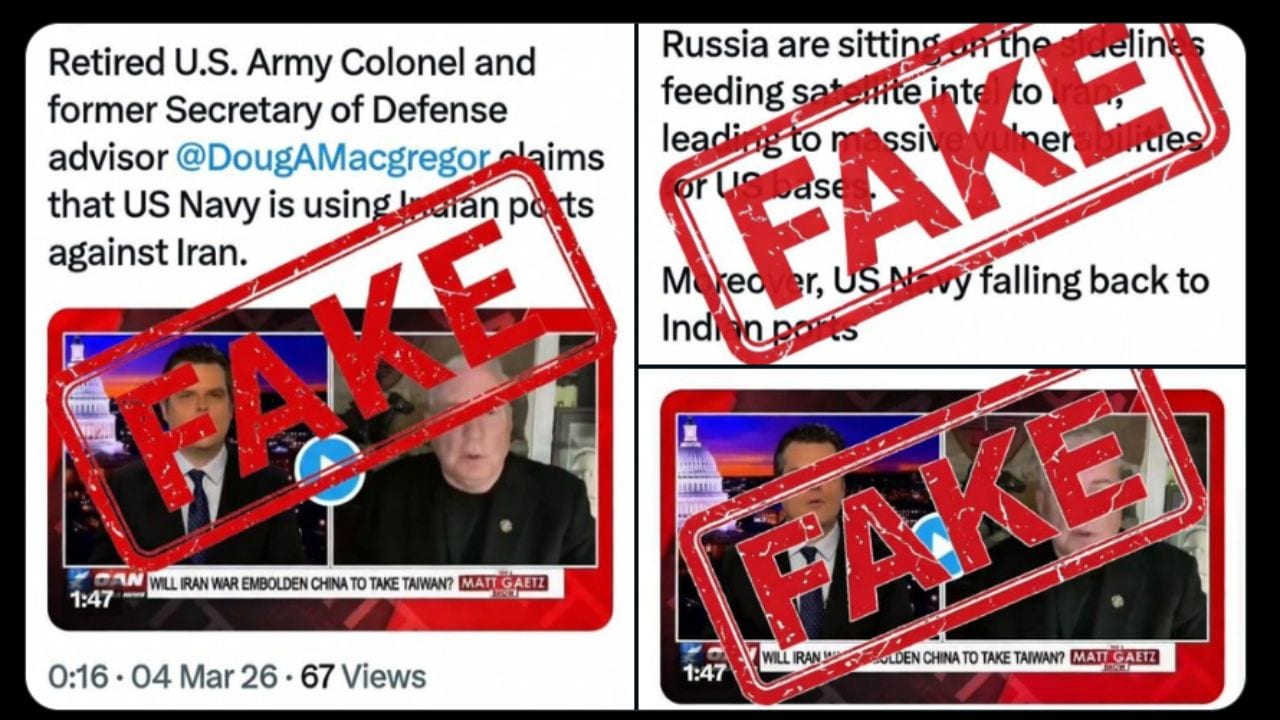
The sea has a way of carrying whispers faster than a radio wave. In the salt-crusted tea stalls of Visakhapatnam and the humid corridors of power in New Delhi, a specific kind of murmur began to circulate. It wasn’t about the weather or the monsoon’s delay. It was about the massive, gray steel hulls of the United States Navy and a rumor that, if true, would shift the tectonic plates of global geopolitics.
The rumor was simple: Indian ports were being turned into staging grounds for an American strike against Iran.
It is a terrifying thought. To understand why, you have to look past the press releases and the formal denials. You have to look at the water. Imagine a dockworker in Mumbai, a man named Arjun. He has spent thirty years watching the world’s commerce flow through his fingers. He knows the difference between a merchant vessel carrying grain and a destroyer bristling with Tomahawk missiles. For Arjun, and for millions like him, the sudden transformation of a local harbor into a launchpad for a foreign war isn't just a matter of "logistics." It is a matter of survival. It is the difference between a quiet night at home and becoming a target in a conflict that isn't his own.
The Indian government moved quickly to douse the flames. They didn't just deny the reports; they dismantled them with the surgical precision of a bomb squad.
The Mechanics of a Denial
When a nation states that its soil—or its water—is not being used for offensive operations, it is making a profound declaration of sovereignty. The reports suggested that the Logistics Exchange Memorandum of Agreement (LEMOA), a deal signed between India and the U.S. years ago, had been stretched beyond its breaking point. LEMOA is designed for "replenishment." It is the maritime equivalent of pulling into a gas station for a sandwich and a tank of fuel. It is not, and has never been, an invitation to set up a base of fire.
Think of the Indian coastline as a massive, 7,500-kilometer lung. It breathes in trade and exhales the nation’s wealth. To clog those passages with the machinery of an active war would be to suffocate the very economy India is trying to build. The Ministry of External Affairs made it clear: no such permission was sought, and no such permission would be granted.
But why did the rumor catch fire so easily?
We live in an era of "just-in-case" information. We see a ship docked in Chennai, we see a headline about tensions in the Strait of Hormuz, and our brains bridge the gap with the darkest possible bridge. The geopolitical reality is far more nuanced. India walks a tightrope that would make a circus performer dizzy. On one side, it has a deepening, essential partnership with the United States, particularly in the realm of high-end technology and maritime security. On the other, it has a centuries-old relationship with Iran, a primary source of energy and a critical gateway to Central Asia through the port of Chabahar.
The Ghost in the Machine
Consider the technical side of modern naval warfare. A ship doesn't just "attack" anymore. It operates within a digital web of sensors, satellites, and data links. For a U.S. vessel to use an Indian port as a tactical base, the two nations would need a level of "interoperability" that currently only exists in the dreams of defense contractors.
To launch a strike, you need more than a pier. You need a secure command and control architecture. You need dedicated munitions storage that meets specific, highly classified standards. You need a security perimeter that would effectively turn an Indian port into an American enclave. To suggest that this is happening in secret is to ignore the sheer, clunky physical reality of military hardware. You cannot hide a carrier strike group’s worth of preparation in a busy civilian harbor. The cranes would give it away. The sudden influx of specialized parts would give it away. The very vibration of the air would change.
India’s rejection of these reports isn't just a diplomatic "no." It is a statement of identity.
The nation has long prided itself on "strategic autonomy." It is a fancy phrase that boils down to a very human sentiment: We decide who we are. India is not a "depot" for anyone else’s ambitions. When the rumors suggested that Indian ports were being "leveraged"—to use a word the bureaucrats love—it touched a nerve because it implied a loss of control. It suggested that India had become a secondary character in someone else’s drama.
The Human Cost of Misinformation
The real danger of these reports isn't just that they are false. It's that they create a climate of fear. In the coastal towns of Kerala, where families rely on the sea, the idea of their waters becoming a combat zone is a nightmare. They remember the history of the Indian Ocean. They know that when giants fight, it is the small boats that get crushed in the wake.
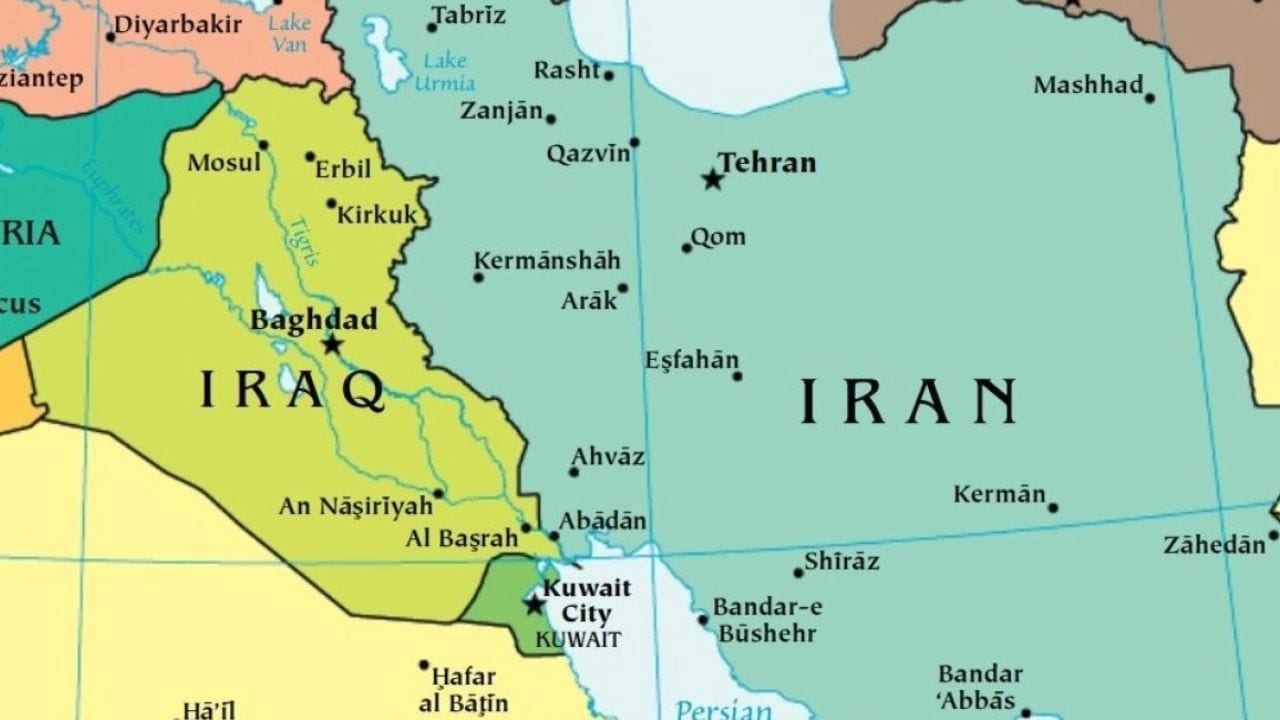
The relationship between Delhi and Tehran is a complex dance of energy and influence. Iran is not just a dot on a map of the "Middle East." For India, it is a neighbor once removed. When rumors fly that India is facilitating an attack on Iran, it risks decades of careful diplomacy. It risks the lives of Indian citizens working in the Gulf. It risks the stability of oil prices that dictate whether a family in a rural village can afford to run their tractor.
The stakes are invisible until they aren't.
We often talk about "geopolitics" as if it’s a game of chess played on a board of wood and stone. It isn't. It’s a game played with people’s lives, their heat, their food, and their sense of safety. The Indian government’s denial was an attempt to restore that sense of safety. They are asserting that the "neighborhood" remains a zone of commerce, not a zone of combat.
The Architecture of the Relationship
The U.S.-India defense partnership is real, but it is focused on something entirely different: the Indo-Pacific. The eyes of both nations are turned toward the east, toward the South China Sea and the rising challenges there. The cooperation is about "undersea domain awareness" and "maritime domain awareness."
In plain English: they are making sure they can see what is moving under the water. This is defensive. It is about keeping the sea lanes open for those merchant ships Arjun watches every day. It is about ensuring that no single power can hold the world's trade hostage.
When you see a U.S. ship in an Indian port today, you are seeing a logistical stop. You are seeing a crew that needs a hot meal and a chance to stretch their legs. You are seeing a mechanical check-up. To leap from that to "launching an invasion" is a failure of logic and a triumph of paranoia.
The world is loud. Social media makes it louder. A single grain of truth—that a ship is docked—is ground into a flour of lies and baked into a loaf of propaganda. The Indian government had to act as the baker’s critic, pointing out that the bread was poisoned.
The Long Shadow
As the sun sets over the Arabian Sea, the orange light hits the hulls of the ships waiting to enter the harbor. They sit low in the water, heavy with the things we need to keep our world running. Smartphones, iron ore, crude oil, grain. This is the real story of the ports.
The silence from New Delhi was brief, replaced by a firm, unwavering stance. The ports remain open for business. They remain sovereign. They remain Indian. The rumors will likely resurface the next time a carrier docks for supplies, because the shadow of conflict is long and people are naturally inclined to look for monsters in the dark.
But for now, the water is calm. The whispers have been answered with a cold, hard "no." The dockworkers continue their shifts, the cranes continue to swing, and the gray ships of foreign navies remain exactly what they are supposed to be in a friendly port: guests, not masters.
The sea carries the truth eventually. It washes away the foam of speculation and leaves only the heavy stones of reality. India has chosen its stone. It is a stone of independence, placed firmly in the center of a very turbulent ocean.
One might wonder what the next rumor will be, but the answer is already written in the policy. A port is a gateway, not a weapon. As long as that distinction remains clear, the gray hulls in the harbor are just visitors passing through a house that doesn't belong to them.