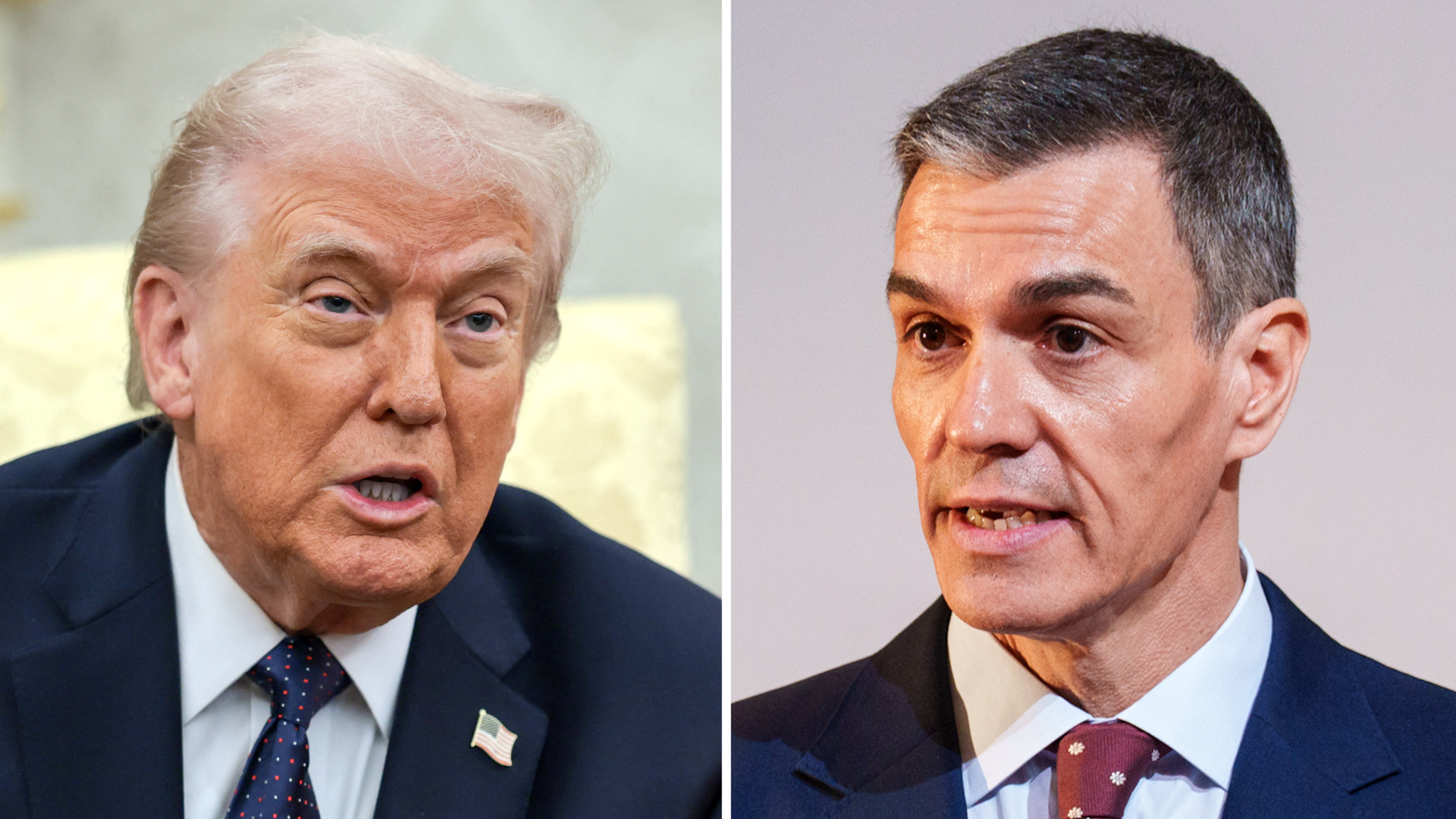
Pedro Sánchez isn't backing down. While other European leaders are carefully weighing their words or quietly falling in line, Spain's Prime Minister just drew a thick line in the sand. On Wednesday, he looked into a camera and told the world—and specifically Donald Trump—that Spain won't be complicit in what he calls a "disaster" in the Middle East. He's not just talking about diplomacy; he's blocking military bases and risking a full-blown trade war with the United States to keep Spain out of the conflict with Iran.
The tension reached a boiling point after Trump threatened to "cut off all dealings" with Spain. Why? Because Sánchez refused to let American tanker aircraft use the Rota and Morón bases in southern Spain for strikes against Iranian targets. It's a bold move. It’s a move that has Trump calling Spain "terrible" and Sánchez's leadership nonexistent. But for anyone who's followed Sánchez’s career, this isn't a surprise. It’s a calculated, high-stakes gamble on the "No to War" sentiment that runs deep in Spanish history.
The Bases and the Betrayal
For decades, the Rota naval base and Morón air base have been the crown jewels of the US-Spain security relationship. They aren't just patches of concrete; they're the primary gas stations and jumping-off points for US operations in the Mediterranean and the Middle East. When Sánchez told the US they couldn't use these shared facilities for the current campaign against Iran, he didn't just ruffle feathers—he pulled the rug out from under the Pentagon’s logistics.
Trump’s reaction was classic. During a meeting with German Chancellor Friedrich Merz, he vented his frustration, suggesting that he told Treasury Secretary Scott Bessent to prepare a trade embargo. "Spain has been terrible," Trump told reporters. He even hinted that the US could just "fly in and use" the bases anyway, though he quickly backtracked, saying "we don't have to." This isn't just about planes. It’s about who holds the keys to European sovereignty.
Why Sánchez is Evoking the Ghost of Iraq
You can’t understand Sánchez’s "No a la Guerra" (No to War) stance without looking back at 2003. During his televised address on Wednesday, Sánchez didn't hold back. He explicitly compared the current strikes on Iran to the US-led invasion of Iraq. He called it "playing Russian roulette with the destiny of millions."
- The Legitimacy Gap: Sánchez argues that responding to one "illegality" with another only leads to disaster. He views the unilateral strikes by the US and Israel as a breach of international law.
- The Security Fallout: He reminded Spaniards that the Iraq war didn't bring democracy—it brought a wave of jihadist terrorism and a migration crisis that hit Europe hard.
- The Economic Cost: He’s warning that this conflict will blow up energy prices and the "shopping basket" of everyday citizens.
Sánchez is betting that the Spanish public prefers a leader who stands up to a bully over a leader who prioritizes a trade deal at any cost. Honestly, it's a message that resonates in a country where trust in the current US administration is sitting at rock bottom.
Can Trump Actually Cut Off Trade?
This is where the rhetoric hits the reality of the European Union. Trump says he wants to stop all trade with Spain. The problem? Spain is the EU’s fourth-largest economy. Trade policy isn't decided in Madrid; it’s decided in Brussels. If Trump hits Spain with an embargo, he’s effectively hitting the entire European Union.
European Commission spokesperson Olof Gill was quick to point this out, stating that the EU stands in "full solidarity" with Spain. The bloc is ready to act if necessary to safeguard its interests. While US Treasury Secretary Scott Bessent claims a trade cutoff would be a "combination effort," the legal hurdles are massive. Spain’s Economy Minister, Carlos Cuerpo, has tried to calm the markets, noting that beyond the "comments," no actual moves have been made yet.
What’s at stake for Spain?
- Exports: Spain sends massive amounts of olive oil, pharmaceutical products, and refined gas to the US.
- Defense Spending: Trump is already furious that Sánchez hasn't met the 5% GDP defense spending target he’s been pushing.
- Investment: The US remains a key partner, and a prolonged feud could spook investors, even if the EU provides a safety net.
The Political Nine Lives of Pedro Sánchez
Critics say Sánchez is using this "anti-Trump" stance to distract from his own domestic troubles. He’s been trailing in the polls and dealing with scandals at home. By positioning himself as the leading voice of European resistance to the "law of the jungle," he’s shoring up his left-wing base.
It’s a classic Sánchez move. He’s a survivor. He’s survived being ousted from his own party leadership only to come back and win the Prime Minister's office. He’s survived razor-thin coalition deals. Now, he’s betting his political life on being the moral conscience of a Europe that feels increasingly sidelined.
Whether he’s a visionary defender of international law or a populist gambler depends on who you ask. In Washington, he’s a liability. In Tehran, his words were "appreciated." In Madrid, he's just Pedro, the man who said "no" to a president who doesn't take no for an answer.
If you're watching the markets, keep a close eye on the EU's response in the coming days. If Brussels doesn't blink, Trump's trade threats might remain just that—threats. But if the US decides to bypass international trade norms to punish Spain, we're looking at a rift in the Atlantic alliance that could take decades to heal. Watch for any movements at the Rota base; if the US tries to force the issue, the "Russian roulette" Sánchez mentioned might start for real.