Internet blackouts in Iran aren't just annoying. They're a weapon. When the regime pulls the plug on the fiber optic cables, they aren't just stopping people from scrolling TikTok. They're trying to hide what happens in the streets. But there’s a massive hole in that digital iron curtain, and it’s shaped like a SpaceX satellite dish.
If you think getting a Starlink terminal into Tehran is as easy as ordering one on Amazon, you’re dead wrong. It’s a high-stakes smuggling operation involving Kurdish mules, secret funding from the U.S. State Department, and a cat-and-mouse game with the Revolutionary Guard that can land you in a prison cell for decades.
The multi-million dollar smuggling pipeline
Getting hardware into a country that considers a satellite dish a "wartime crime" takes more than just guts. It takes an organized network. Recently, reports surfaced that the U.S. government shifted nearly 7,000 terminals into the region specifically for Iran. About 6,000 of those have already crossed the border.
This isn't a charity project; it's a covert logistics operation. Activists and professional smugglers buy these kits in Europe or the Gulf states. From there, they move through the mountainous "kolbar" routes in Iraqi Kurdistan or hidden in the fuel tanks of trucks coming from the southern waterways.
The price tag on the black market is staggering. A kit that costs $599 in the U.S. can go for as much as $4,000 in Tehran. Even with the inflated cost, demand is through the roof because, for many, it’s the only way to tell the world what’s actually happening during a crackdown.
How the Iranian regime fights back
The government isn't just sitting back while "pizza boxes" pop up on every roof. They’ve turned to some of the most sophisticated electronic warfare tools on the planet. I'm talking about Russian-made Krasukha-4 and Murmansk-BN systems. These aren't your average signal jammers; they’re designed to knock out satellite communications over hundreds of miles.
The crackdown follows a three-step playbook:
- GPS Denial: They flood the area with interference so the Starlink terminal can’t figure out where it is. If the dish doesn't know its coordinates, it can’t talk to the satellites.
- Frequency Jamming: Mobile units drive through neighborhoods targeting the specific high-frequency bands Starlink uses.
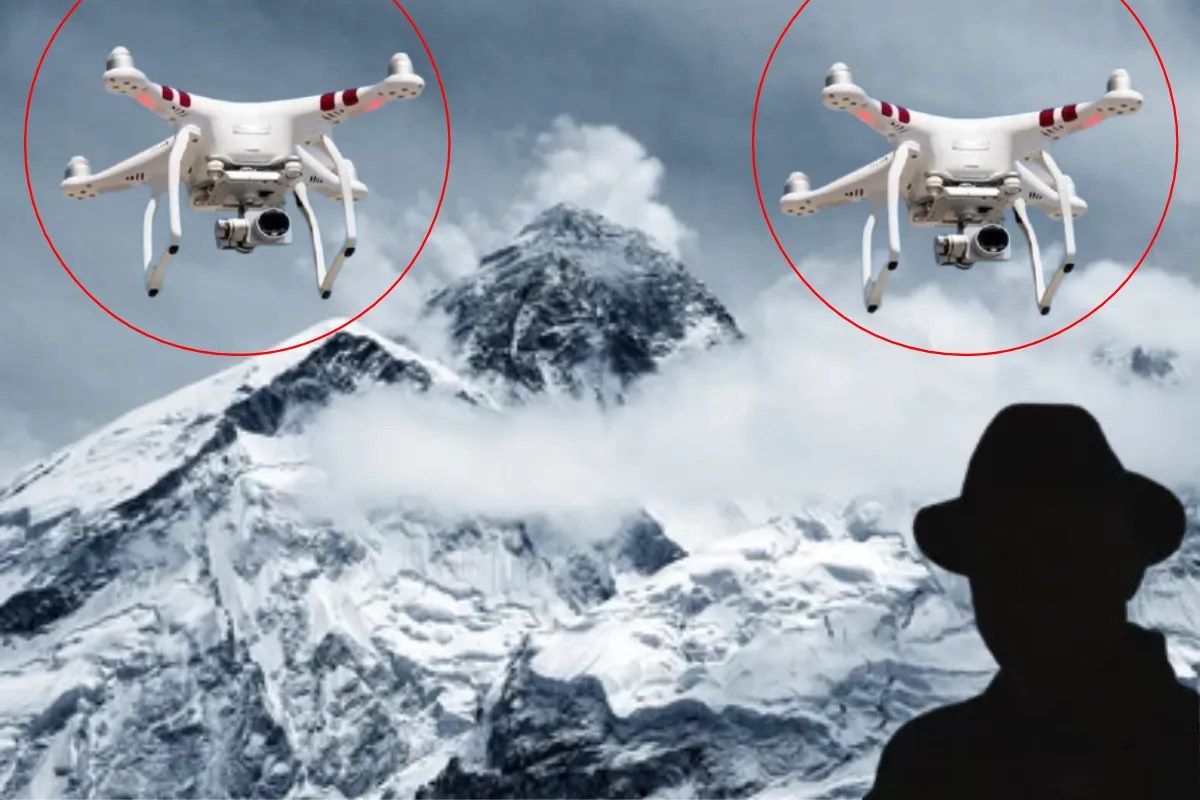
- Physical Raids: The Revolutionary Guard has started using drones equipped with thermal cameras. Because those satellite dishes give off heat, they stick out like a sore thumb on a cold rooftop at night.
Once they find a signal, they don't just take the dish. They take the person. Since the start of 2026, the Iranian parliament has jacked up the penalties. Using Starlink during a "security situation" can now carry a sentence of up to 25 years in prison.
The reality of "free" internet
Elon Musk made headlines by saying "the beams are on" over Iran. That sounds great in a tweet, but the reality on the ground is messier. Even if the service fee is waived for Iranian users—which activists have pushed for—the hardware remains the bottleneck.
You can't just set up a dish and call it a day. Savvy users have to get creative. Some hide the dishes under acrylic covers to mask the thermal signature. Others place the routers in basements and use the building's physical structure to dampen the Wi-Fi signal so the "cyber police" can’t sniff out the network from the street.
It’s a communal effort, too. In some neighborhoods, 40 different homes might share a single Starlink connection. They run hidden cables or use mesh networks to spread the signal, hoping that the collective strength makes it harder for the authorities to pin down a single "guilty" party.
Why this matters for the rest of the world
What’s happening in Iran is a beta test for every other authoritarian regime. If Tehran can successfully neutralize a low-earth orbit satellite network like Starlink, the "internet freedom" playbook gets a lot thinner.
But so far, it’s a stalemate. For every jammer the government deploys, smugglers find a new route. For every drone that spots a dish, three more are hidden under camouflage netting.
If you’re looking to support these efforts or just stay informed, keep your eyes on organizations like NetFreedom Pioneers or Holistic Resilience. They’re the ones actually doing the groundwork, dealing with the logistics of moving hardware through some of the most dangerous borders on earth.
Don't expect this to get easier. As long as the Iranian state sees information as a threat, the fight for the sky will keep getting more expensive and more dangerous. The tech is revolutionary, but the human cost of using it is very real.