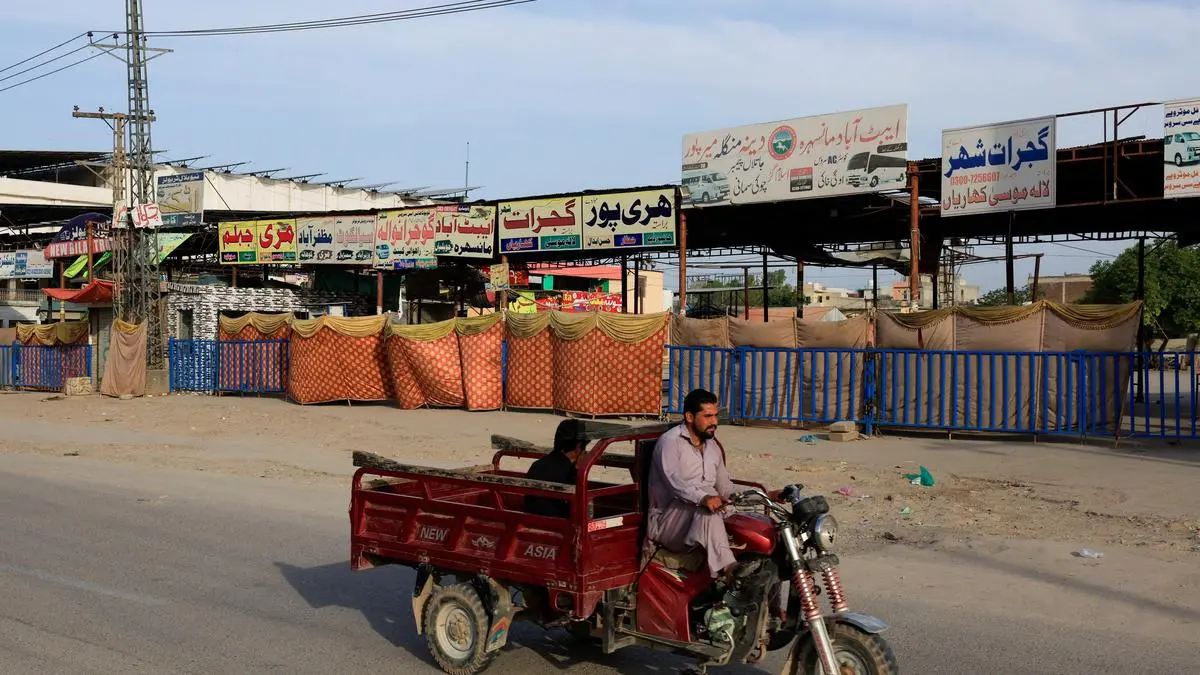
The hand-wringing from retail trade unions and chamber presidents over Pakistan's mandated 8 PM market shutdown has reached a predictable, deafening crescendo. According to the mainstream narrative, forcing shopping malls and retail bazaars to lock their doors early under the federal energy conservation plan is an unmitigated economic disaster. We are told it triggers catastrophic tremors, decimates sales, and crushes the livelihood of the common worker.
This narrative is lazy, mathematically illiterate, and flat-out wrong.
I have watched South Asian retail sectors throw tantrums over structural adjustments for two decades. Whenever a government attempts to drag an economy out of the nineteenth century, the immediate response from the merchant class is to predict an apocalypse. The reality? The 8 PM shutdown isn't the executioner of Pakistani retail. It is a mirror reflecting its deepest structural flaws. The outcry isn't about economic survival; it is about protecting an inefficient, untaxed, and archaic business model that relies on subsidized, imported energy to survive.
The Myth of Lost Consumer Demand
The core argument against the shutdown is built on a fundamental misunderstanding of consumer behavior. Traders claim that because customer flow traditionally peaks after sunset, cutting these hours wipes out revenue.
This assumes economic demand is a fragile vapor that vanishes if a shop closes early. It does not.
Demand is compressed, not destroyed. If a consumer needs a pair of shoes, a new lawn suit, or a refrigerator, they do not give up on the purchase entirely simply because the market closes at 8 PM. They adjust their schedules. They shop on weekends, during afternoon breaks, or early evenings.
Imagine a scenario where every grocery store suddenly announced it would only open on Tuesdays. Would the population starve to death? No. They would buy their groceries on Tuesdays.
The belief that retail revenue is directly proportional to the number of hours a storefront leaves its lights blazing is an antique concept. What the 8 PM shutdown actually reveals is the sheer laziness of a retail sector that refuses to innovate, optimize supply chains, or manage foot traffic efficiently.
The Subsidized Midnight Bazaar Is Dead
Let us look at the macro reality. Pakistan is facing a severe balance-of-payments challenge, exacerbated by volatile global fuel markets and external supply shocks. The country imports expensive furnace oil and liquefied natural gas (LNG) to keep the national grid humming.
When a fabric retailer in Lahore or a mobile phone vendor in Karachi keeps a brightly lit multi-story showroom open until midnight, they are not just running a business. They are actively draining foreign exchange reserves.
The merchant class expects the state to burn precious dollars on imported fuel so they can conduct business at 11 PM, all while the vast majority of these cash-heavy operations systematically underreport revenues to evade the tax net.
Why should the industrial sector, which actually produces goods, creates export value, and generates documented employment, face crippling load-shedding and high tariffs just so retail bazaars can maintain nocturnal operating hours?
The math does not check out. The modest drop in nighttime electricity consumption reported by energy specialists might look small on a provincial spreadsheet, but when multiplied across a nation operating on the financial margins, every megawatt saved is a megawatt that does not require an imported drop of fuel.
The Digital Acceleration Nobody Wants to Talk About
The loudest protesters are the owners of brick-and-mortar shops who refuse to adapt to the digital age. They complain that early closures hit their sales, yet they completely ignore the massive operational shift happening right under their noses.
While documented retail shops complain, alternative channels thrive. Nighttime food delivery, e-commerce transactions, and digital marketplaces experience a clear surge in activity when physical doors close. The 8 PM shutdown acts as an involuntary forcing function, pushing a notoriously stubborn consumer base and an equally stubborn merchant class toward automation and digital commerce.
The informal night markets that critics claim are stealing business from formal retail are a temporary side effect, not a structural pivot. The real shift is happening online.
If your business model cannot survive unless your physical storefront stays open fourteen hours a day, your problem is not the government's energy policy. Your problem is an obsolete operational structure.
The Real Capital Flight: Human Efficiency
We must also address the human cost of the traditional midnight operating model. The retail sector routinely exploits an underpaid, undocumented workforce, forcing sales clerks and laborers to work exhausting, irregular shifts stretching deep into the night.
The argument that early closures hurt workers by cutting overtime earnings is a disingenuous smoke screen used by business owners to shield their own margins. True economic productivity does not come from keeping a fatigued worker on a shop floor until midnight to serve three casual window-shoppers. It comes from concentrated, high-efficiency operational windows.
Restricting retail hours forces a normalization of the working day. It allows the workforce to rest, reduces operational overhead for business owners, and creates a predictable environment for logistics and supply chains.
Every developed economy on earth operates within defined, structured business hours. The expectation that a developing economy can achieve stability while keeping its commercial sectors lit up like amusement parks until midnight is pure delusion.
The Cost of Backing Down
The recent decision by provincial authorities to temporarily lift restrictions until June is not a victory for the economy. It is a classic policy surrender to a vocal, politically connected interest group.
By pausing the conservation drive, the state merely kicks the financial can down the road, ensuring that the inevitable energy shortfall later in the season will hit harder, cost more, and disrupt the industrial supply chain even more severely.
Acquiescing to the demands of the retail lobby sends a clear message: short-term political comfort will always override long-term structural reform. The trading community will celebrate this temporary reprieve, but the broader economy will pay the bill through inflation, currency depreciation, and emergency tariff hikes.
Stop viewing the early market shutdown as an economic tremor. Start viewing it as a mandatory, overdue correction to a retail landscape that has lived on borrowed time, borrowed energy, and borrowed money for far too long. The party is over. Turn the lights out.