The Viral Outrage Machine Is Leaking More Than The Plane
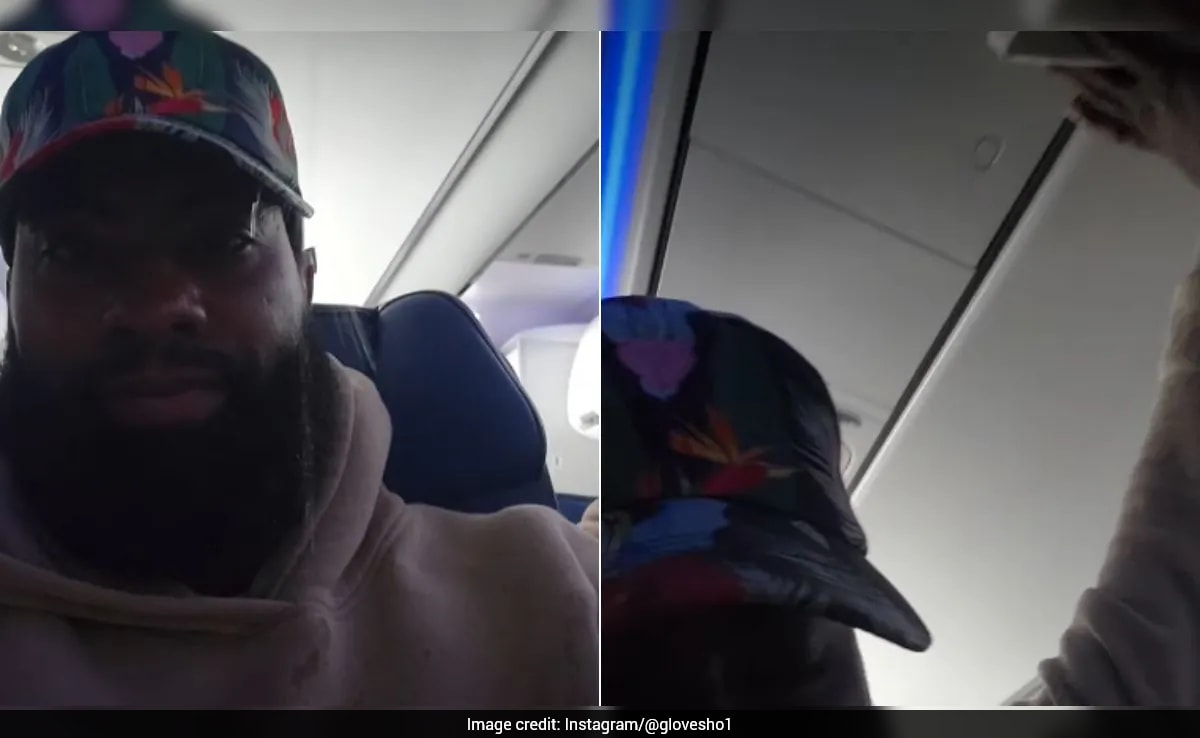
A man gets dripped on. He films it. He posts it. The internet loses its collective mind, screaming about "humiliation," "health hazards," and "airline negligence." It is the perfect storm of modern travel entitlement meeting a complete lack of basic scientific literacy.
The "unidentified liquid" isn't a mystery. It isn't jet fuel. It isn't blue lavatory chemicals. It is water. Specifically, it is condensation—the same physical process that makes your beer can sweat on a humid Tuesday in July.
We have reached a point where we expect a pressurized aluminum tube screaming through the troposphere at 500 miles per hour to behave like a climate-controlled living room. It doesn't. When you pack 200 warm, breathing, perspiring humans into a cold metal shell, physics happens. The fact that this makes headlines shows just how disconnected we’ve become from the reality of aviation.
The Cold Hard Truth About Cabin Insulation
Airplanes operate in an environment where the outside air temperature regularly hits -50°C to -60°C. Inside, you want to sit in your t-shirt and sip a ginger ale at 22°C.
Between those two extremes sits a layer of insulation, usually fiberglass blankets. But air is a stubborn thing. Humidity from the cabin—generated by your breath, your coffee, and the very pores of your skin—migrates toward the cold skin of the aircraft. When that moist air hits the cold metal behind the plastic panels, it turns into frost or liquid water.
In the industry, we call this "rain-on-the-plane."
It’s an engineering reality that Boeing and Airbus have spent billions trying to mitigate. They use "crown heaters," drainage systems, and advanced vapor barriers. But sometimes, especially during descent or after a long flight where ice has built up behind the sidewalls, that ice melts. If the plane tilts or hits a bump, that water finds the path of least resistance. Usually, that path leads directly onto seat 12F.
Is it annoying? Yes. Is it "humiliating"? Only if your ego is so fragile that a drop of distilled water shatters your dignity.
Why Your Outrage Is Actually Dangerous
The viral cycle demands a villain. In this narrative, the airline is the negligent monster and the passenger is the traumatized victim. This framing creates a perverse incentive for airlines to prioritize "optical maintenance" over "functional maintenance."
When passengers flip out over a drip, airlines feel pressured to dump massive amounts of chemical drying agents or install heavier, more complex drainage systems that increase fuel burn and carbon emissions. We are demanding a sterile, perfect environment in a machine that is fundamentally a high-altitude survival pod.
If you want a leak-proof experience, stay on the ground.
The Myths We Need To Bury
- "It’s Toxic Fluid": If it were hydraulic fluid (Skydrol), you’d know. It’s bright purple or amber, and it smells like a chemical fire. If it were fuel, the cabin would smell like a gas station. If it’s clear, odorless, and cold, it’s condensation. Stop the drama.
- "The Plane Is Falling Apart": A leak in the interior plastic trim has zero correlation with the structural integrity of the airframe. The "ceiling" you see is just a cosmetic shroud. The real ceiling is several inches above that, and it’s doing just fine.
- "I Deserve A Full Refund": You paid for transport from Point A to Point B. You arrived alive. A damp shoulder does not entitle you to a $600 payday.
The Logistics Of The "Liquid Mystery"
Let’s look at the numbers. A standard Boeing 737 can accumulate up to 50 pounds of moisture in its insulation blankets during a single long-haul mission. Over weeks of operation, that can grow to hundreds of pounds if the plane doesn't spend enough time in a desert environment to dry out.
Airlines use water separators in the Environmental Control System (ECS) to keep the air dry, but they can't catch everything. In fact, if the air were as dry as it would need to be to prevent all condensation, your nose would bleed and your skin would crack within twenty minutes of takeoff.
We demand humidity for comfort, then complain when that humidity follows the laws of thermodynamics.
How To Actually Handle A Leak Like A Pro
Instead of pulling out your phone to film a "viral" exposé, try using your brain.
- Identify the Source: Look at the gasper (the air vent). Often, the drip is just condensation forming on the cold plastic of the vent because the air conditioning is cranked to "Arctic." Turn the vent slightly or wipe it with a napkin. Problem solved.
- Alert the Crew Without the Drama: "Hey, there's some condensation dripping here" gets a much better reaction than "This is a safety violation and I'm suing." Flight attendants have seen this a thousand times. They might have a "blanket fix" or, if the flight isn't full, they’ll move you.
- Understand the Limitations: On a hot, humid day on the tarmac, the AC packs are working overtime. This creates massive amounts of fog and dripping. It’s not a malfunction; it’s a sign the system is working.
The Entitlement Epidemic
The real "humiliation" in these viral videos isn't the water. It’s the behavior of the passengers. We have transformed the miracle of flight into a theater of grievance.
Sixty years ago, flying was an event. Today, it’s a bus ride in the sky, and we’ve become the most petulant passengers in history. We want dirt-cheap fares, lightning-fast Wi-Fi, gourmet food, and a physics-defying environment where moisture doesn't exist.
The man in the video wasn't "soaked." He was inconvenienced. There is a massive, gaping chasm between those two things. By blurring the lines, we devalue actual safety concerns. When we treat a condensation drip with the same level of alarm as a smoking engine, we lose the ability to prioritize what actually matters: getting to the destination in one piece.
Stop Asking For An Apology
Airlines shouldn't have to apologize for the dew point.
The industry needs to stop coddling this behavior. Every time a carrier offers a $100 voucher to someone who complained about "mystery liquid" (water), they reinforce the idea that the passenger’s ignorance is a valid reason for compensation.
We need to re-introduce a bit of grit into the travel experience. You are sitting in a pressurized metal tube 35,000 feet in the air. It is loud. It is cramped. Sometimes, it drips. That is the price of admission for crossing a continent in five hours.
If you can't handle a little distilled water on your sleeve without filming a manifesto, you aren't a traveler. You're a tourist with a victim complex.
Next time you feel a drop, don't reach for your camera. Reach for a napkin. Wipe your shoulder. Look out the window at the clouds you’re currently flying through and marvel at the fact that you’re not walking.
Physics doesn't care about your TikTok views. It's time you started respecting the machine more than the "humiliation" of a damp shirt.