The internet just fell in love with a pixelated lie.
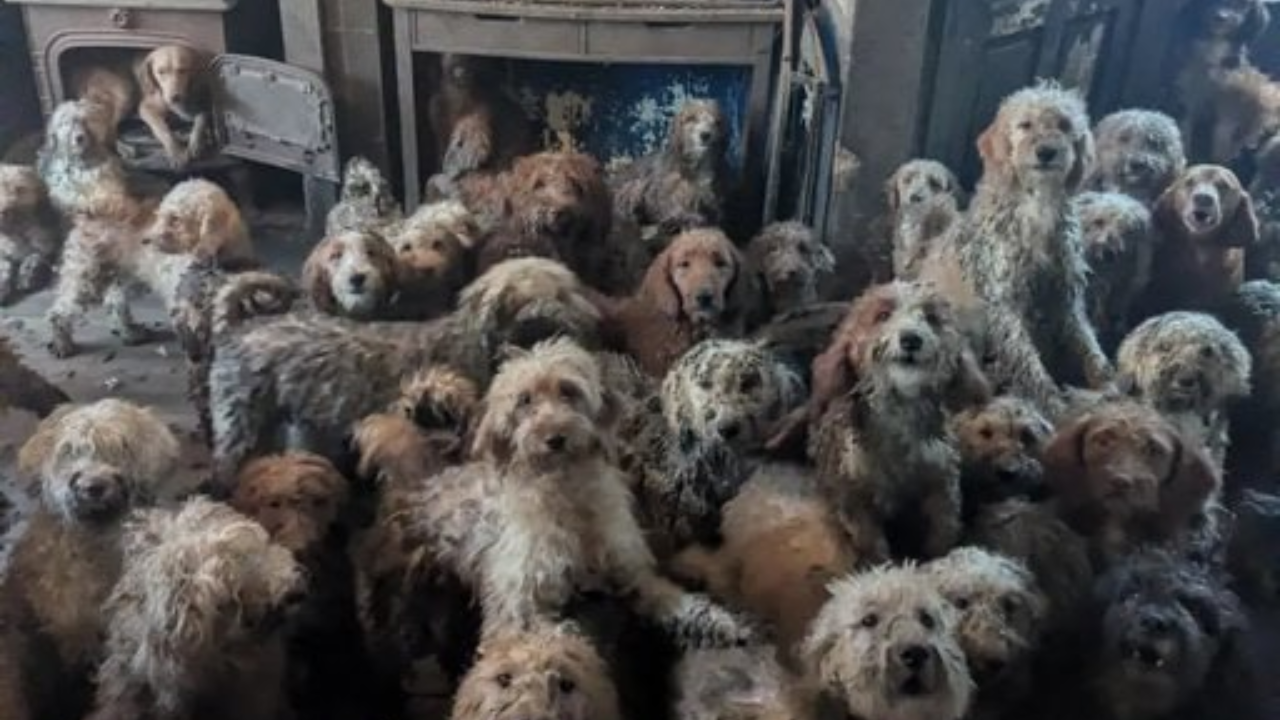
Last week, a "viral" photo of a dog rescue in the UK tore across social media. You know the one. A sodden, shivering spaniel being hoisted from a flood, eyes wide with terror, clutched by a stoic hero in a high-vis vest. Within hours, it had three million shares. The RSPCA felt pressured to issue a statement confirming the "images are real." For an alternative perspective, see: this related article.
But they missed the point.
Validation of reality is not the same as validation of impact. While the digital masses pat themselves on the back for "raising awareness," they are actually strangling the very institutions they claim to support. This isn't a feel-good story about a lucky pup. It is a case study in how performative empathy is bankrupting animal welfare. Further coverage regarding this has been published by BBC News.
The Viral Tax No One Mentions
When a rescue goes viral, the RSPCA and similar organizations face a massive surge in what we call "low-intent engagement."
I have watched NGOs spend thousands of man-hours fielding calls from people in California or Tokyo asking for updates on a dog in Devon. These aren't donors. They aren't adopters. They are digital tourists. Every minute a professional spends answering an email about a "viral celebrity dog" is a minute they aren't managing a cruelty investigation or cleaning a kennel.
We are witnessing the Gamification of Compassion.
The competitor article treats the RSPCA's confirmation of the photo's authenticity as a win for truth. It isn't. It’s a surrender. The RSPCA had to divert resources to verify a photo just to stop the conspiracy theories from clogging their servers. That is a net loss for the animals.
The Myth of the "Real" Image
The RSPCA says the images are real. Fine. But "real" in the age of algorithmic selection is a curated deception.
Photography, even when unedited, is a lie of omission. It captures the split second of the rescue—the cinematic climax—and ignores the twelve months of expensive, grueling, boring rehabilitation that follows.
When you share that photo, you are consuming the "hero moment" without any of the "work reality." This creates a distorted public expectation. People start thinking animal rescue is a series of dramatic, high-speed interventions.
It isn't. It’s mostly cleaning up diarrhea, fighting with local councils over zoning laws, and begging for money to pay for orthopedic surgeries that aren't "photogenic."
The Cost of a "Like"
Let’s talk about the math of a viral rescue.
Assume $X$ is the cost of the actual rescue operation.
Assume $Y$ is the cost of the media management, server bandwidth, and administrative overhead required to handle 3,000,000 "digital fans."
In 90% of cases, $Y > X$.
The "awareness" generated by these photos rarely converts into the kind of sustained, boring monthly giving that keeps the lights on. It creates a spike in one-off donations that barely covers the cost of the increased traffic. We are literally "liking" charities to death.
Why Your Outrage is Counter-Productive
People often ask: "But doesn't this put pressure on the government to act?"
No. It gives the government a free pass.
Politicians love viral rescues. They can tweet a heart emoji, say "well done to the boys in blue," and go right back to cutting the budgets for environmental protection and flood defenses. Viral content provides a pressure valve for public anger. You feel like you did something because you clicked "share," so you don't bother writing to your MP about the systemic failures that led to the flood in the first place.
Outrage is a finite resource. If you spend it on a spaniel in a flood, you have less left for the structural issues that put that spaniel there.
The Dark Side of Verification
The RSPCA confirming the image was "real" was a tactical error.
By engaging with the "is it AI or is it real?" debate, they've validated the idea that a photo's value is tied to its technical origin. It shouldn't matter if the photo is real. What matters is the 20,000 other dogs that didn't get photographed today.
By chasing the viral dragon, the RSPCA is forced to play by the rules of the attention economy. This leads to:
- Selective Rescue Focus: Over time, organizations feel pressure to prioritize cases that "look good" on camera. A golden retriever in a well will always get more funding than a mangy, aggressive pitbull mix that’s been abused for years.
- Safety Risks: I’ve seen rescuers take unnecessary risks to get "the shot" because they know a viral photo equals a month’s worth of donations. We are incentivizing reckless behavior in the name of PR.
- Empathy Fatigue: When the next "real" image drops, the bar for your emotional response goes up. Eventually, a dog in a flood won't be enough. It’ll have to be a dog in a volcano.
How to Actually Help (Without Being a Tool)
If you actually care about animal welfare, stop following the "viral" leads. The most effective way to help is the most boring way possible.
- Fund the Overhead: Don't tag your donation for "the dog in the photo." Tell the charity to use it for "wherever it’s needed most." This usually means paying for electricity and insurance—the things that actually keep the rescue running.
- Ignore the Hero Narrative: Real rescue work is done by tired people in stained cargo pants, not "heroes" in cinematic lighting.
- Mute the Viral: If a story has more than 10,000 shares, it doesn't need your help. Look for the local shelter that hasn't posted in three days because they’re too busy actually working.
The "real" images the RSPCA confirmed are just another distraction in a world that prefers easy stories over hard solutions. Every time you share a viral rescue, you are voting for a world where animal lives are only worth saving if they can generate a high click-through rate.
Stop looking for the hero in the high-vis vest. Start looking at the balance sheet.
Go find a dog that isn't trending and pay for its rabies shot.
Everything else is just noise.