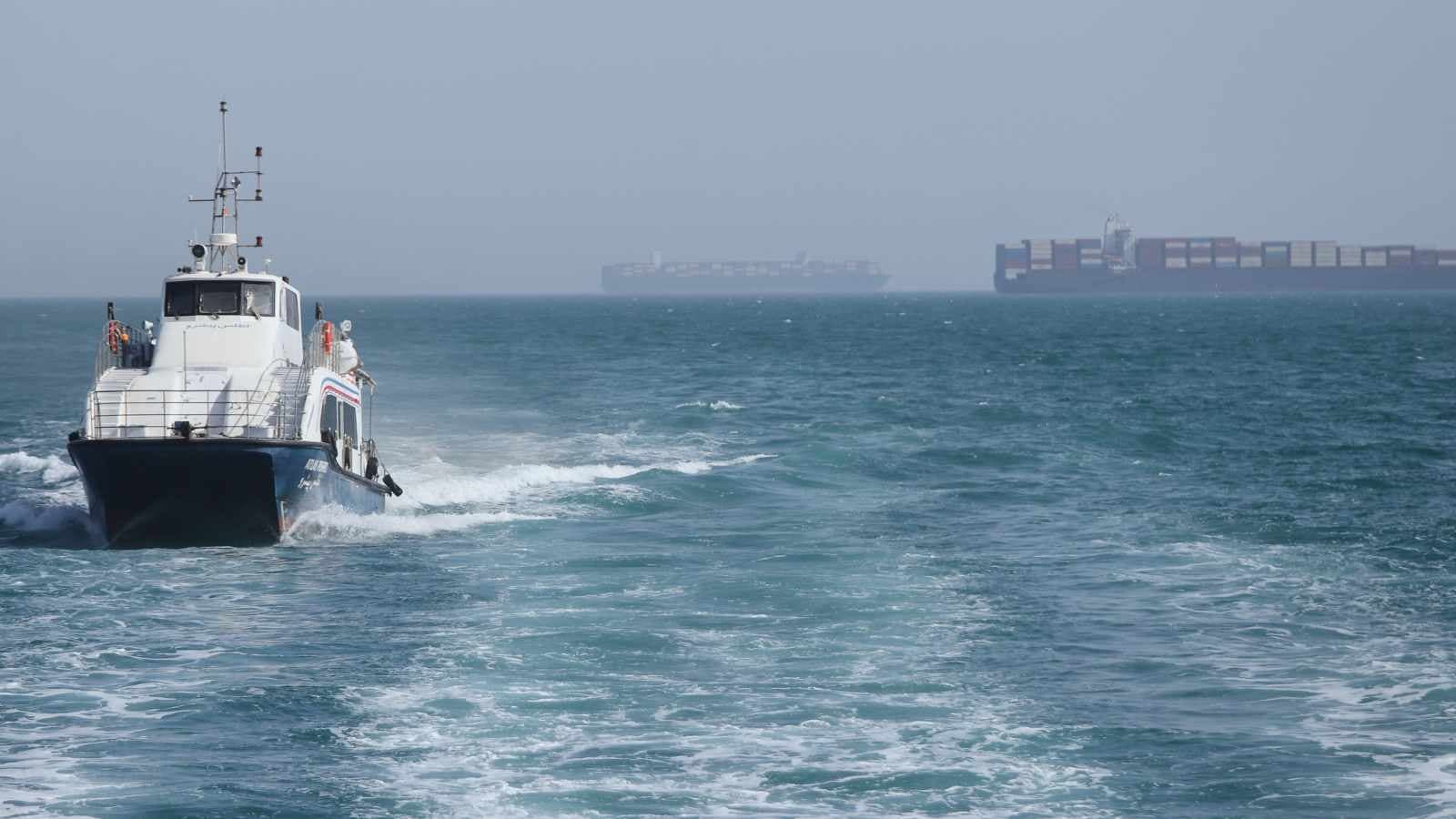
Donald Trump is betting the stability of the global energy market on a naval maneuver called Project Freedom. Launched in May 2026, the initiative aims to break a month-long Iranian blockade of the Strait of Hormuz, where roughly 850 commercial vessels have sat idle since the outbreak of hostilities in late February. The plan involves using U.S. Navy assets to guide stranded merchant ships through "enhanced security areas" primarily located in Omani territorial waters. While the White House frames this as a humanitarian gesture to free international crews, the reality is a high-stakes military gambit designed to force oil flowing again without triggering a direct, all-out naval war with Tehran.
The Mechanics of a Tactical Corridor
Project Freedom is not a traditional convoy system. During the "Tanker War" of the 1980s, the U.S. used direct escorts under Operation Earnest Will. This time, the Pentagon is attempting something more surgically complex. Instead of tethering destroyers to individual tankers, U.S. Central Command (CENTCOM) is establishing a specific, mine-swept corridor.
The strategy relies on a massive concentration of force to deter interference. Currently, 15,000 personnel, guided-missile destroyers, and over 100 aircraft are positioned to "monitor and respond." By using Omani waters, the U.S. hopes to provide a legal and physical buffer against Iranian claims of territorial violation. It is a game of chicken played with billion-dollar assets. On May 4, 2026, the first two U.S.-flagged vessels, including the vehicle carrier Alliance Fairfax, successfully transited the strait. However, the mission remains fraught with technical and political landmines.
Surveillance and Unmanned Dominance
The backbone of this operation isn't just heavy steel; it is a web of multidomain uncrewed platforms. These drones provide 24/7 surveillance of the Iranian coastline, attempting to identify "swarming" small boats or mobile cruise missile batteries before they can engage. The goal is to provide commercial captains with a "real-time safety score" for the transit.
Despite these high-tech assurances, the shipping industry remains paralyzed by fear. Many captains, responsible for both crew lives and massive insurance liabilities, are refusing to move. They know that while a destroyer can intercept a cruise missile, it cannot easily stop a stealthy mine or a coordinated drone strike in the narrowest sections of the waterway.
The Economic Pressure Point
Global oil prices have surged 50% since the conflict began. The Strait of Hormuz is the world's most important chokepoint, handling 20% of global petroleum and liquefied natural gas (LNG). Project Freedom is Trump’s attempt to bypass the diplomatic stalemate and provide immediate relief to an economy teetering on the edge of recession.
The White House is essentially trying to "de-risk" the strait through sheer military presence. By moving ships in coordinated groups through Omani waters, they are attempting to create a new "normal" for maritime traffic that ignores the Iranian blockade. If successful, it undermines Iran's primary leverage in peace negotiations. If it fails—if a single major tanker is sunk—the resulting environmental and economic disaster would be irreversible.
Insurance and the Reality of Risk
Lloyd’s of London and other major maritime insurers are currently the silent arbiters of Project Freedom’s success. Without affordable war-risk insurance, no amount of naval "guidance" will convince a commercial operator to weigh anchor. The U.S. government may eventually have to step in as a backstop for these insurance claims, effectively putting American taxpayers on the hook for the safety of foreign-flagged vessels.
The Iranian Response and the Shadow of Escalation
Tehran has not been a passive observer. Major General Ali Abdollahi has been clear: any transit not coordinated with the Iranian armed forces is a breach of security. On the first day of the operation, U.S. forces reportedly destroyed six Iranian small boats and intercepted several drones. This isn't just posturing. It is active combat occurring under the guise of a "humanitarian" corridor.
The risk of miscalculation is at an all-time high. A rogue commander on either side could spark a larger conflagration that Project Freedom is supposedly trying to avoid. Iran’s layered defense—comprising mines, anti-ship missiles, and asymmetric naval tactics—is far more sophisticated than what the U.S. faced in previous decades.
Beyond the Waterline
While the focus is on the ships, the political subtext is unavoidable. Project Freedom serves as a domestic signal of strength. It bypasses the slower, more traditional policy frameworks, like the expansive administrative overhauls suggested in documents such as Project 2025, in favor of immediate, executive-led military action.
Critics argue that this approach prioritizes short-term market stability over long-term regional diplomacy. Proponents, however, point to the 87 countries whose ships are currently "held hostage" in the Gulf. For them, the legalities of the blockade matter less than the physical liberation of their assets.
The U.S. Navy is now effectively acting as a global traffic warden in a combat zone. Success will be measured not in battles won, but in the number of hulls that reach the Arabian Sea without a scratch. Every successful transit builds the narrative that the blockade is broken. Every skirmish reminds the world just how thin the line is between a humanitarian gesture and a new world war.