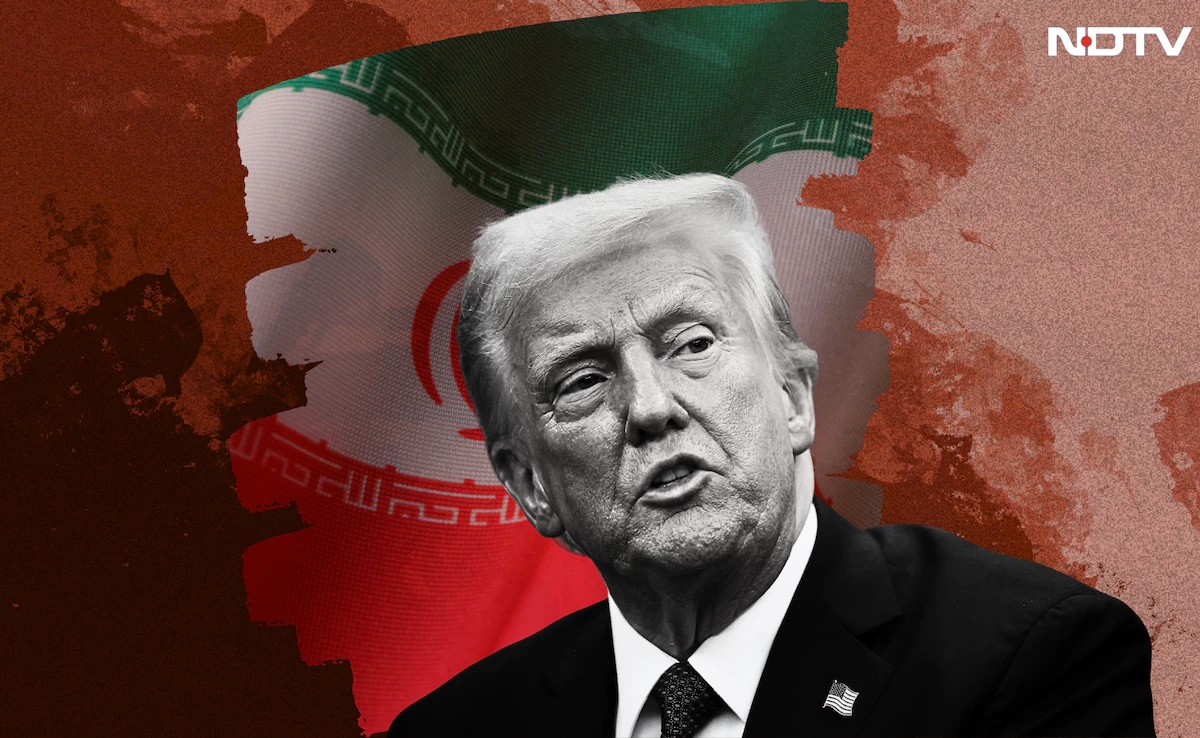
The transition from a "winding down" narrative to a 48-hour "obliteration" ultimatum against Iranian power infrastructure represents a pivot from kinetic attrition to a strategy of coercive decoupling. The current volatility in the Strait of Hormuz is not a byproduct of tactical failure but a deliberate shift in the American cost-benefit function. By issuing a 48-hour deadline for the full restoration of maritime traffic, the administration is attempting to externalize the security burden of global energy corridors while simultaneously preparing to degrade the Iranian state’s industrial baseline.
This maneuver operates across three distinct strategic pillars: the weaponization of energy interdependence, the geographical expansion of the threat envelope to Diego Garcia, and the use of "Winding Down" as a psychological tool to mask escalatory troop movements.
The Triad of Deterrence: Hormuz, F-35 Attrition, and Diego Garcia
The logic governing current operations is defined by the necessity to restore the flow of approximately 21 million barrels of oil per day through the Strait of Hormuz. Iran’s use of asymmetric naval assets—specifically smart mines and low-cost swarming drones—has effectively inverted the cost of intervention. While the U.S. has claimed the destruction of 100% of Iran’s conventional naval and air capabilities, the persistence of "residual disruption" forces a transition from broad military engagement to high-value infrastructure targeting.
The Diego Garcia Range Expansion
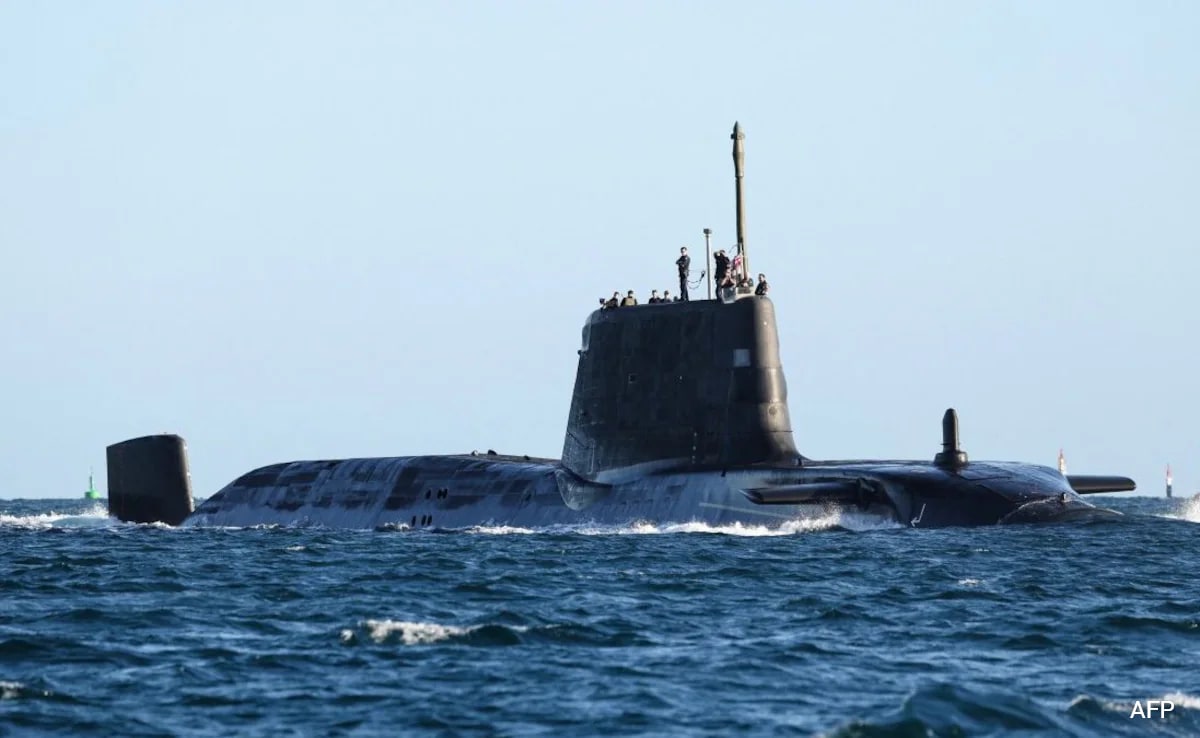
The unsuccessful missile strike on the joint U.S.-UK base at Diego Garcia on March 20, 2026, serves as a quantitative proof of concept for Iranian missile evolution. Located roughly 4,000 kilometers from Iranian launch sites, Diego Garcia was previously considered beyond the reach of the 2,000-km limit of the Khorramshahr-class ballistic missiles.
The mechanism for this reach is likely the adaptation of the Simorgh space launch vehicle (SLV) into an improvised intercontinental ballistic missile (ICBM). While accuracy remains low, the intent is strategic: to signal that the "safe havens" for U.S. B-2 Spirit bombers and long-range logistics are now within the kinetic footprint. This forces a redistribution of U.S. missile defense assets (such as THAAD and Patriot PAC-3 batteries) away from the immediate Persian Gulf theater, thinning the defensive screen for regional allies like the UAE and Saudi Arabia.
The F-35 and Stealth Attrition Limits
Reports of F-35 airframe losses or mission-capability degradation during the third week of hostilities have altered the U.S. air superiority calculus. Stealth is a finite resource; the high sortie rates required to police the Strait of Hormuz against decentralized drone launchers have led to "maintenance debt" and increased visibility to Iranian and Russian-provided passive sensor networks. By threatening to "obliterate" power plants, the U.S. moves from a high-frequency patrol model—which eats airframe hours—to a "punishment model" that requires fewer, more concentrated strikes on stationary, non-hardened targets.
The Cost Function of Global Energy Security
The administration's demand that seven specific nations—likely including China, Japan, and South Korea—take responsibility for the Strait of Hormuz is an application of the "Donroe Doctrine." This framework suggests that the U.S. should no longer provide the "global public good" of maritime security for nations that do not contribute to the kinetic cost of maintaining it.
- Energy Exposure Matrix: China receives approximately 90% of its oil via the Hormuz-Malacca route. In contrast, U.S. domestic production and North American integration have reduced its direct reliance on the Strait to less than 10%.
- The Leverage Inversion: By allowing the Strait to remain "effectively closed" despite technical air superiority, the U.S. exerts indirect economic pressure on China. The 48-hour ultimatum is less about the U.S. needing the oil and more about forcing a coalition where the primary beneficiaries of the oil flow (the "Free Riders") must commit naval assets or face a permanent surge in global Brent crude prices.
Tactical Deception: The "Winding Down" Variable
The Friday evening Truth Social post regarding "winding down" military operations was not a signal of retreat, but a classic "Fix and Flank" psychological operation. Structurally, the statement served two purposes:
- Domestic De-escalation: Calming the U.S. equities markets which have been reeling from energy-induced inflation.
- Operational Masking: Providing diplomatic cover for the deployment of the 31st Marine Expeditionary Unit and the USS Boxer. These assets, which include roughly 2,200 Marines and amphibious assault capabilities, suggest a shift toward seizing or blockading Kharg Island—the terminal for 90% of Iran’s oil exports.
The cause-and-effect relationship here is clear: The U.S. is trading its role as a "regional policeman" for that of a "regional gatekeeper." By threatening the power grid—the literal lifeblood of Iranian civilian and industrial stability—the U.S. bypasses the messy reality of urban combat or protracted drone hunting in the Zagros Mountains.
Structural Vulnerabilities in the 48-Hour Deadline
The limitation of the "Obliteration Strategy" lies in its terminal nature. Once a nation’s power grid is destroyed, the U.S. loses its primary lever of coercive diplomacy. This creates a bottleneck where Iran may feel it has "nothing left to lose," potentially triggering the "nightmare scenario" for regional allies: a total, uncoordinated retaliatory strike against desalination plants and IT infrastructure in the UAE and Saudi Arabia.
The 48-hour window is designed to force a collapse in Iranian internal resolve before the next moon cycle, which provides optimal conditions for the decentralized, nighttime drone salvos that have proven so difficult for current Aegis-equipped destroyers to intercept with 100% efficiency.
The strategic play is to move from a war of attrition to a war of systemic collapse. If Tehran does not blink by Tuesday morning, the transition to infrastructure destruction marks the end of the "Short Excursion" and the beginning of a fundamental reordering of the Indian Ocean's security architecture.
Would you like me to analyze the specific economic impact of a Kharg Island blockade on the BRICS+ energy trade?