The relationship between Kabul and Islamabad has officially hit a breaking point. Just hours after Pakistani jets pounded targets inside Afghanistan, the Taliban government has dropped the diplomatic act. Suhail Shaheen, a top Taliban official, recently told NDTV that they "will respond in their language" if the strikes continue.
It's a blunt warning that marks the end of the "brotherly neighbors" narrative that both sides tried to maintain for years. If you've been following the region, you know this isn't just a minor border scuffle. It’s a full-blown crisis that threatens to destabilize an already shaky South Asia.
The Hospital Strike that Changed Everything
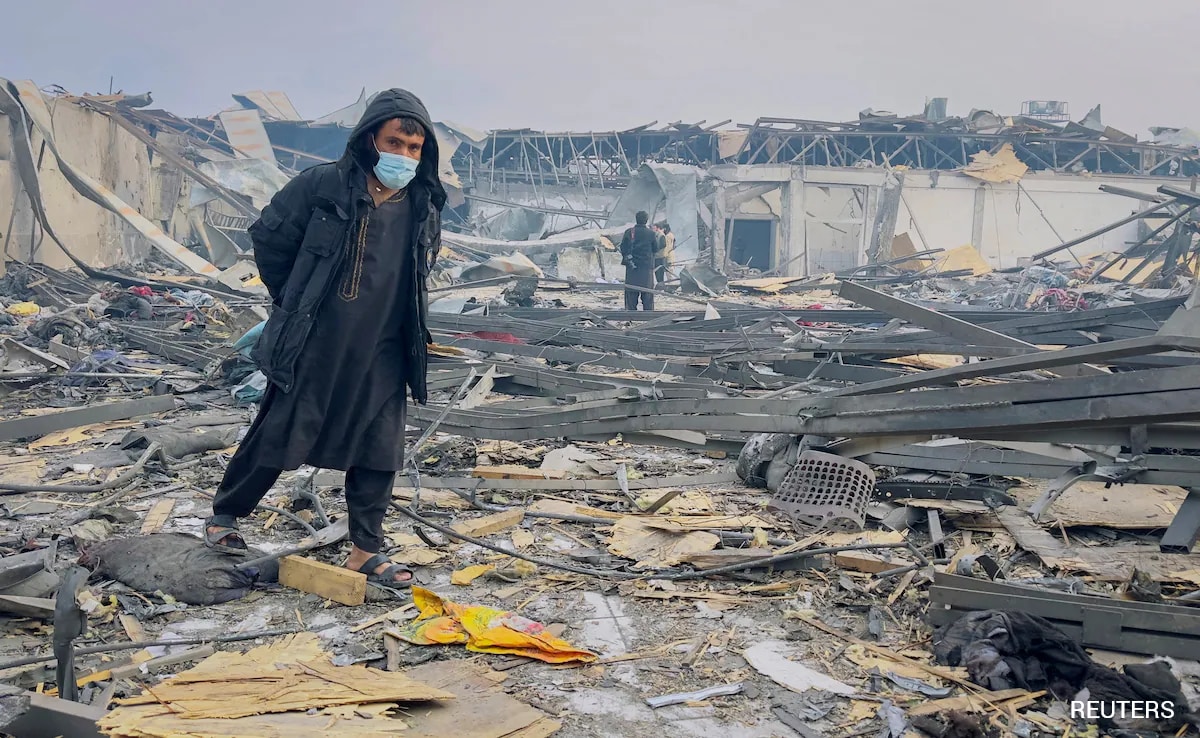
The latest spark in this powder keg was a devastating Pakistani airstrike on a hospital in Kabul. Taliban spokesmen are reporting that at least 400 people were killed and 250 more were injured. They’re calling it a "crime against humanity." Pakistan, for its part, claims they were targeting "terrorist support infrastructure" and ammunition storage.
The disconnect between these two accounts is massive. When one side says they hit a drug rehabilitation center and the other says they took out a weapons depot, there’s no room left for middle-ground diplomacy. This wasn't a remote mountain outpost; it was the capital city. By bringing the war to Kabul, Pakistan has signaled that the old rules of engagement are dead.
Why the TTP is the Real Problem
You can't understand this conflict without talking about the Tehreek-e-Taliban Pakistan (TTP). This is the "Pakistani Taliban," a group that wants to overthrow the government in Islamabad and replace it with their own version of Sharia law.
Pakistan is convinced—and they’ve been shouting it from the rooftops—that the Afghan Taliban is giving the TTP a safe place to sleep, train, and plan attacks. Since the Taliban took over Afghanistan in 2021, terror attacks inside Pakistan have spiked. Islamabad feels betrayed. They spent years (and billions) supporting the Afghan Taliban’s return to power, thinking it would buy them security on their western border. Instead, they got a front-row seat to an insurgency.
The Afghan Taliban denies they’re helping the TTP. They say Pakistan’s security problems are internal and that Islamabad is just looking for a scapegoat. Honestly, it’s a classic case of the "Frankenstein’s monster" trope. Pakistan helped create the environment for these groups to thrive, and now those groups are biting the hand that fed them.
A Language of Force
When Suhail Shaheen says they’ll "respond in their language," he’s not talking about Pashto or Urdu. He’s talking about kinetic military action. We’ve already seen the first signs of this. On March 2, 2026, the Taliban reportedly launched drone strikes on the Nur Khan Airbase in Rawalpindi.
Think about that for a second. The Taliban, once a ragtag group of insurgents, is now using drones to hit military targets deep inside Pakistan. It’s a massive escalation. They’ve moved from defending their borders to taking the fight to Pakistani soil.
The Taliban's strategy is basically "if we aren't safe in Kabul, you aren't safe in Rawalpindi." It’s a dangerous game of chicken where neither side seems willing to blink.
The Humanitarian Cost of the Crossfire
While the generals and spokesmen trade threats, the people on the ground are paying the price. The border regions of Paktika, Khost, and Nangarhar have become a war zone.
Beyond the bombs, there’s a massive refugee crisis. In 2025 alone, Pakistan sent nearly 2.7 million Afghans back across the border. Many of these people lived in Pakistan for decades. Now, they're being dumped into a country that can't feed its own people. This mass deportation hasn't just fueled a humanitarian disaster; it’s fueled the Taliban’s anger. They see it as a direct attack on the Afghan people.
Regional Players and the "Indian Hand"
There’s always a third player in this game: India. Whenever Pakistan struggles, its military establishment is quick to point the finger at New Delhi. They claim India is using Afghan soil to fund the TTP and Baloch separatists.
The Afghan Taliban has cleverly played into this by warming up to India. They’ve welcomed Indian technical teams and expressed interest in trade. For Pakistan, this is the ultimate nightmare—an "encirclement" where they have hostile neighbors on both the east and the west.
What Happens if This Becomes an "Open War"
Pakistan’s Defence Minister Khawaja Asif has already used the phrase "open war." If that's where we're headed, the math doesn't look good for anyone.
- Pakistan's Economy: Pakistan is already on the verge of financial collapse. A sustained war with Afghanistan would drain what little remains of its foreign reserves.
- Taliban Legitimacy: The Taliban wants international recognition. Acting like a conventional military power by striking Rawalpindi makes it much harder for them to convince the UN that they're a responsible government.
- The Rise of ISIS-K: While the Taliban and Pakistan fight each other, ISIS-K (Islamic State Khorasan) is waiting in the wings. These groups thrive in the chaos of border wars.
The Looming Deadlock
There is no easy "off-ramp" here. Pakistan won't stop the strikes as long as the TTP has a haven. The Taliban won't stop the TTP because they share deep ideological and tribal bonds. They’re "brothers in arms," and the Taliban isn't about to hand over their comrades to a government they view as a puppet of the West.
The international community, largely distracted by the wars in the Middle East and Ukraine, has mostly offered "thoughts and prayers" and calls for restraint. But restraint is in short supply.
If you're looking for a silver lining, there isn't one. We're looking at a long, grinding conflict where the border—the Durand Line—remains a fiction and the "language of response" becomes the only thing either side understands.
To keep an eye on this, watch the drone activity over the next week. If the Taliban continues to hit targets inside Pakistan's Punjab province, we aren't just looking at border skirmishes anymore. We're looking at a regional war.