In a dimly lit room where the air smells faintly of stale coffee and expensive wool, a pen hovers over a single sheet of paper. It isn't a thick, leather-bound treaty. It isn't a thousand-page document filled with the dense, suffocating legalese that usually defines international diplomacy. It is a memo. One page. A few hundred words that carry the weight of millions of lives, billions of dollars, and the fragile hope that the world might stop shaking, if only for a moment.
This is the reality of the current negotiations between the United States and Iran. After decades of shadow boxing, proxy wars, and rhetoric that scorched the earth, the two nations are reportedly narrowing the distance toward a foundational agreement. They call it a memo of understanding. To the bureaucrats in Washington and Tehran, it is a technical milestone. To the rest of us, it is the only thing standing between a managed tension and a regional inferno. Recently making waves recently: China Slams Eswatini Over Taiwan Relations as the Travel Row Heats Up.
The Weight of a Single Page
Diplomacy is often viewed through the lens of grand gestures—handshakes on lawns, flags fluttering in the breeze. But the truth is much grittier. It is about exhaustion. It is about two giants realizing they have pushed each other to the edge of a cliff and neither is ready to jump.
Reports indicate this one-page memo is designed to freeze the current escalation. It addresses the nuclear program, the maritime skirmishes, and the regional militias that act as the nervous system of Middle Eastern conflict. By stripping away the fluff, negotiators are trying to find the "minimum viable peace." Further information on this are explored by TIME.
Consider a hypothetical family living in a village near the border of a conflict zone. Let’s call the father Elias. For years, Elias has watched the horizon. He knows the sound of a drone versus a commercial bird. He knows that when the headlines in far-off capitals turn sharp, his life becomes precarious. For Elias, this memo isn't about "geopolitical leverage" or "centrifuge counts." It is about whether he can plant his crops this season without wondering if the sky will fall.
The genius—and the terror—of a one-page memo is its simplicity. It forces both sides to stop lying to themselves about what they can actually achieve. It isn't a grand bargain. It doesn't solve the fundamental hatreds or the historical grievances that date back to 1953 or 1979. It simply says: "Stop. Not here. Not now."
The Invisible Stakes of the Status Quo
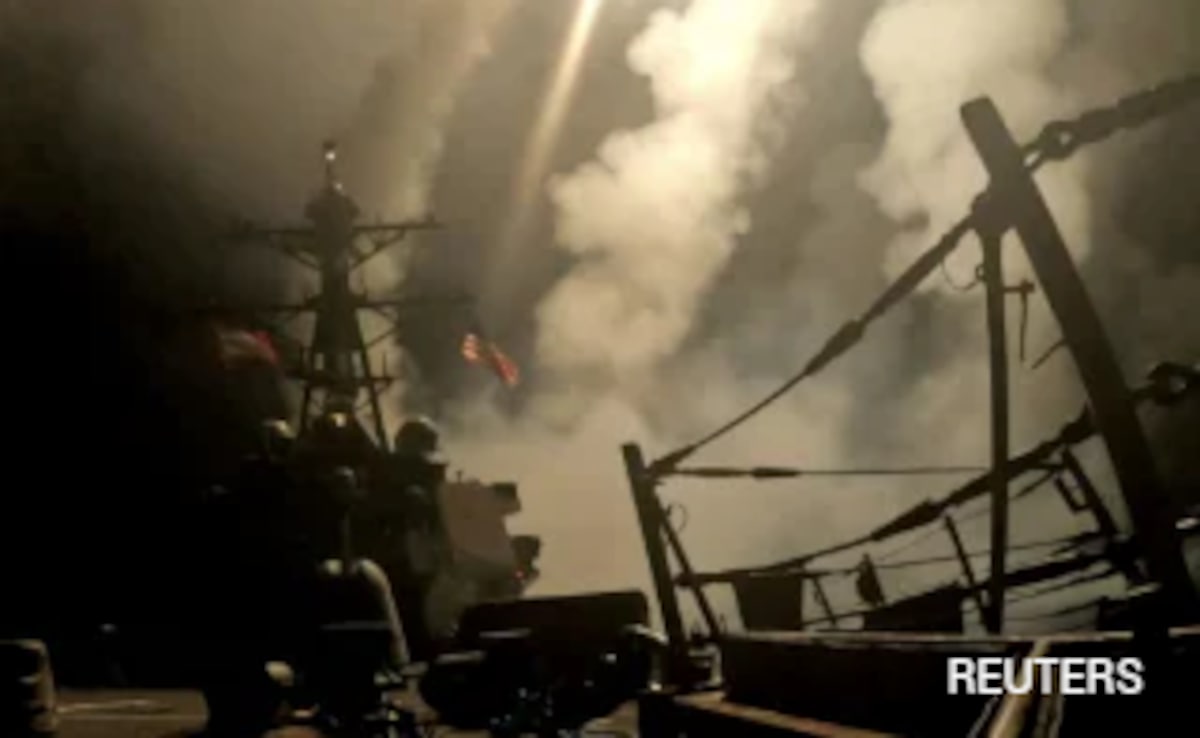
To understand why this memo is so vital, you have to look at what happens when there is no paper at all. Without a framework, every move is a miscalculation waiting to happen. A stray missile, a panicked commander on a destroyer in the Strait of Hormuz, or a cyberattack that goes too deep can trigger a kinetic response that neither Biden nor Raisi can pull back.
We have lived in this gray zone for years. It is a state of constant, low-grade fever. The global economy feels it in the price of a gallon of gas. The tech sector feels it in the security of the undersea cables that carry our digital lives.
But the real cost is human. It is the Iranian student who cannot buy medicine because of sanctions that have throttled the local currency. It is the American sailor patrolling the Persian Gulf, eyes red from staring at radar screens, wondering if today is the day the "incidents" become an actual war.
The memo aims to lower the temperature. It targets the "red lines" that have become blurred.
- Nuclear Enrichment: Creating a ceiling that prevents a sprint toward a weapon.
- Regional Proxies: Implementing a "quiet for quiet" agreement where attacks on American interests lead to a pause in pressure.
- Economic Relief: Small, calculated breaths of air for a suffocating Iranian economy in exchange for cooperation.
These aren't just bullet points. They are the gears of a machine that has been grinding metal on metal for far too long.
The Architecture of Trust Without Liking
There is a common misconception that peace requires friendship. It doesn't. History is built on the backs of people who despised each other but decided that survival was more profitable than pride.
The current talks are a masterclass in "de-risking." It is the diplomatic equivalent of two people in a dark room full of gunpowder agreeing to put down their lighters. They don't have to like each other. They just have to acknowledge that they both breathe oxygen and prefer not to be on fire.
The skepticism is, of course, a deafening roar. Critics in Washington argue that a one-page memo is a surrender, a way to kick the can down the road while Iran inches closer to its goals. Critics in Tehran view it as a trap, a way for the West to neuter their influence without offering real, permanent concessions.
They are both right. And they are both wrong.
The "can" being kicked down the road is actually a ticking time bomb. Every day that passes without a massive escalation is a day that allows for a different kind of future to be built. Diplomacy is often just the art of buying time until the people in charge change, or the world shifts, or the rage simply runs out of fuel.
The Ghost of 2015
You cannot talk about this memo without feeling the shadow of the JCPOA—the Joint Comprehensive Plan of Action. That was a massive document, a sprawling city of words and requirements. It was dismantled with a single signature in 2018, and the world has been reeling from the aftershocks ever since.
The shift toward a one-page memo is a reaction to that failure. If a thousand-page treaty can be burned so easily, perhaps a single page is more honest. It doesn't pretend to be forever. It only pretends to be for now.
This is the vulnerability of the process. It is fragile. It relies on the word of leaders who face immense domestic pressure to be "tough." In the US, an election cycle looms like a storm front. In Iran, the internal pressures of a young, restless population and an aging leadership create a volatile internal chemistry.
Negotiators are essentially trying to build a bridge out of toothpicks while a hurricane is blowing.
Why the Silence Matters
You might have noticed that the news about these talks is often quiet, filtered through leaks and "unnamed officials." This is intentional. When the stakes are this high, the loudest voices are usually the ones trying to kill the deal.
True progress in this arena happens in the silence. It happens when the rhetoric on state TV doesn't match the quiet instructions given to naval commanders. It happens when a shipment of humanitarian goods is allowed through without fanfare.
This silence is what the one-page memo seeks to formalize. It is a "don't ask, don't tell" policy for global security. If Iran keeps its enrichment below a certain percentage, and the US allows certain frozen assets to be used for food and medicine, the world keeps spinning. It isn't justice. It isn't a Hollywood ending. It is a Tuesday without a funeral.
The Shadow of the Unknown
If this memo fails—if that pen never touches the paper—the alternative isn't the status quo. The status quo is a decaying orbit. Without an agreement, we move toward what analysts call "The Big Bang." That is the moment when the containment fails, when the nuclear threshold is crossed, and when the regional "shadow war" steps into the blistering light of day.
Imagine the ripples. A conflict in the Middle East today doesn't stay there. It travels through your supply chains. It manifests in the interest rates of your mortgage. It shows up in the radicalization of online spaces. We are all connected to that one-page memo, whether we recognize it or not.
The negotiators are currently haggling over the phrasing of a few sentences. They are arguing about commas and definitions of "transparency." It seems small. It seems petty. But these sentences are the guardrails on a mountain road. You don't notice them when you're driving safely. You only care about them when you start to skid.
The Final Threshold
We often demand "bold leadership" and "visionary solutions." We want our leaders to solve the world's problems once and for all. But the older the world gets, the more we realize that "once and for all" is a myth.
The real heroes of this story aren't the ones looking for a total victory. They are the tired men and women in those coffee-scented rooms who are willing to settle for a messy, imperfect, one-page compromise. They are the ones who understand that a small "yes" is infinitely better than a catastrophic "no."
The memo is a reminder that in a world of complex, interlocking crises, sometimes the most radical thing you can do is simplify. Strip away the ego. Strip away the history. Look at the paper.
The pen is still hovering. The ink is still wet. And somewhere, a man like Elias is looking at the sky, waiting to see if he can finally stop holding his breath.