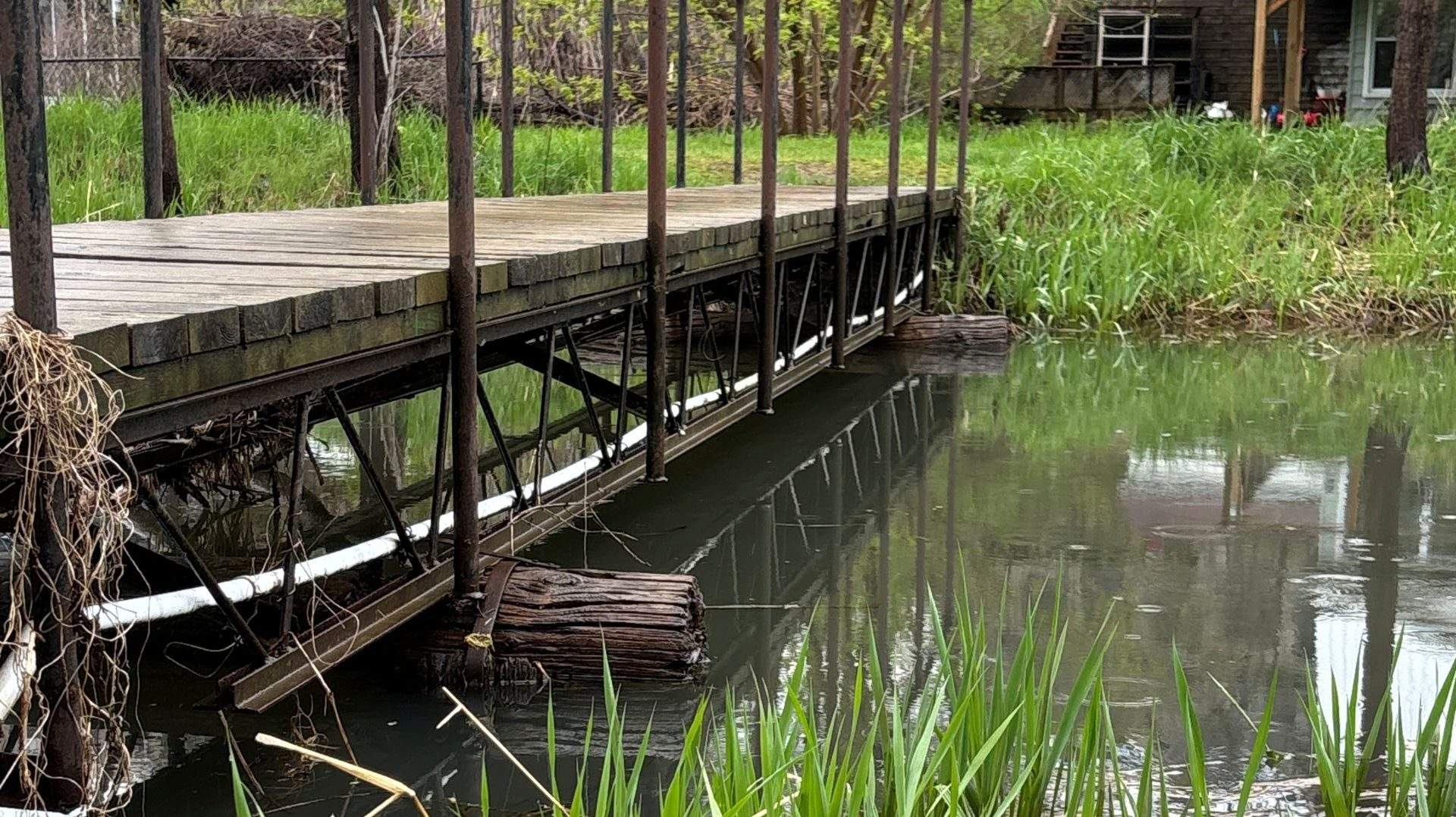
Ontario’s pristine waterways are currently under siege from a familiar, greasy enemy. Following a massive fuel spill in a local community, the immediate scramble for booms and absorbent pads has once again exposed a systemic failure in how we manage hazardous materials near our freshwater sources. This isn't just an isolated accident or a stroke of bad luck. It is the predictable outcome of an aging industrial framework and a regulatory environment that often prioritizes rapid transport over long-term environmental security. While the cleanup crews are hard at work, the real damage often lies beneath the surface, where hydrocarbons seep into the sediment and threaten the water table for years to come.
The incident triggered the usual emergency protocols. Local authorities issued warnings. Environmental consultants were hired. Containment barriers were deployed. But the conversation rarely moves beyond the immediate cleanup costs and the temporary displacement of local wildlife. To understand the gravity of the situation, we have to look at the mechanics of these spills and the sheer volume of fuel moving through rural and suburban corridors every single day.
The Anatomy of a Modern Spill
When a storage tank fails or a transport truck overturns, the clock starts ticking at an unforgiving pace. Fuel is lighter than water, so it initially floats, creating a shimmering slick that cuts off oxygen to aquatic life. However, certain components of gasoline and diesel are water-soluble. Chemicals like benzene, toluene, and xylenes can dissolve into the water column. This makes them nearly impossible to "scoop" out.
The immediate response focuses on mechanical recovery. This involves vacuum trucks and skimmers. It looks effective on camera, but it only addresses the visible problem. The invisible threat—the dissolved phase of the spill—moves with the current. It infiltrates the pores of the soil along the banks. It settles into the quiet eddies where fish spawn. By the time the news cameras leave, the long-term chemical legacy is just beginning its slow crawl through the ecosystem.
Why Containment Often Fails
Geography is a cruel master in Ontario. Our communities are built around water. It is our greatest asset and our biggest vulnerability. When a spill occurs near a storm drain or a sloping embankment, the transit time from the leak to the water body is often measured in minutes.
Most containment strategies rely on the "boom and skim" method. This works well in calm, standing water. It fails miserably in moving rivers or during heavy rainfall. High-flow events can push oil under the booms or wash it over the top. If the spill happens in a wetland, mechanical recovery becomes a nightmare. Heavy machinery can do more damage to the fragile peat and root systems than the oil itself. We are often forced to choose between the "burn it" or "leave it" options, neither of which feels like a victory for the environment.
The Hidden Economic Toll on Small Communities
A fuel spill is a financial wrecking ball. While the "polluter pays" principle is a legal standard in Canada, the actual recovery of funds is a long, litigious road. Small municipalities often find themselves footing the initial bill for emergency services, road closures, and temporary water supplies.
Property values in the immediate vicinity of a spill don't just dip; they crater. The stigma of "contaminated water" lingers in the minds of buyers and insurers long after the Ministry of the Environment gives the all-clear. Business owners who rely on tourism or clean water for processing find their livelihoods suspended. The compensation packages offered by insurance companies or the responsible parties rarely account for the loss of "ecological services"—the unpriced value of a clean lake or a healthy forest.
The Regulatory Gap
Ontario’s environmental regulations are strict on paper, but enforcement is a different story. The province has seen a steady decline in the number of active inspectors over the last decade. We have shifted toward a "voluntary compliance" model. This essentially means we trust companies to maintain their own infrastructure and report their own failures.
When an incident occurs, the investigation often points to a lack of preventative maintenance. A corroded valve. A sensor that was ignored. A secondary containment wall that hadn't been inspected in years. These aren't "accidents." They are the result of calculated risks taken by companies looking to shave a few percentage points off their operating expenses. The fine for a spill is often viewed as just another cost of doing business, rather than a deterrent that forces real change.
The Infrastructure Time Bomb
We are living on borrowed time with our current storage and transport networks. Many of the fuel depots and pipelines across Ontario were built decades ago. They were designed for a different era, with lower volumes and less extreme weather patterns.
Climate change acts as a force multiplier for infrastructure failure. Increased flooding puts pressure on underground tanks, causing them to "pop" out of the ground or crack. Severe storms wash out roads used by fuel tankers, increasing the risk of transit accidents. Our current systems were not built to withstand the "once-in-a-century" storms that now happen every five years.
Lessons from the Front Lines
If we look at past spills in the Great Lakes basin, a pattern emerges. The communities that recover the fastest are those with pre-positioned spill kits and specialized training for local fire departments. Waiting for a provincial response team to arrive from a major urban center is a recipe for disaster.
- Pre-emptive Mapping: Knowing exactly where the water intakes are and which way the current flows at different times of the year.
- Localized Response: Moving beyond basic fire-fighting to include specialized hazardous materials training for rural volunteers.
- Infrastructure Hardening: Mandating double-walled tanks and real-time electronic monitoring for any facility within 500 meters of a water body.
These solutions aren't cheap. They require a fundamental shift in how we tax and regulate the petrochemical industry. But the cost of prevention is a fraction of the cost of remediation.
Moving Beyond the Absorbent Pad
The current cleanup in Ontario will eventually be declared "complete." The booms will be packed away. The trucks will stop circulating. But the community will be left with the aftermath. They will be checking their well water with a nervous eye for years. They will wonder if the fish in the river are safe to eat.
We need to stop treating these events as surprises. A fuel spill in a community near water is a mathematical certainty as long as we continue to move and store millions of liters of product using outdated methods. True environmental protection doesn't come from a better vacuum truck; it comes from a hard-nosed refusal to accept the status quo of industrial negligence.
The next spill is already being prepared by a rusted pipe or a distracted operator. The only question is whether we will be standing there with another absorbent pad, or if we will finally demand the infrastructure upgrades that our water deserves.
Identify every high-risk storage site within your municipal boundaries. Demand a public audit of their spill response plans. Check the age of the tanks. If the infrastructure is older than the people operating it, the countdown has already begun.