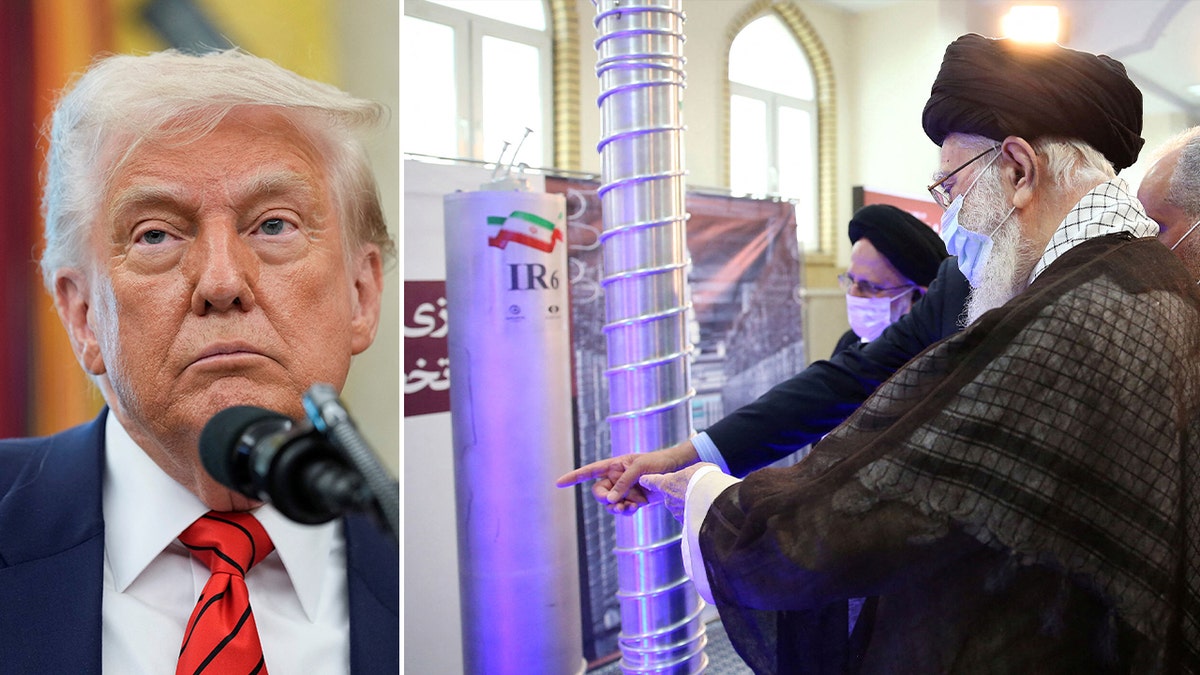
Donald Trump just signaled he’s ready to sit down with Iranian leaders for face-to-face talks. While that might sound like a massive shift, it’s classic Trump. He likes the big stage. He likes the direct deal. But this isn't happening in a vacuum. Right as these signals are coming out of Washington, a high-level US team is touching down in Pakistan. If you think these two things aren't connected, you're missing the bigger picture of how South Asian stability dictates what happens in the Middle East.
Washington’s sudden interest in talking to Tehran doesn't mean the pressure is off. Far from it. It means the administration realizes that the current stalemate isn't producing the "ultimate deal" Trump craves. By signaling an openness to talk without preconditions—a move that usually sends hawks in D.C. into a tailspin—Trump is trying to bypass the bureaucratic red tape that usually kills diplomacy before it starts. He’s betting on his own ability to read a room, even if that room is filled with people who have spent decades chanting "Death to America."
Why Pakistan remains the lynchpin for US interests
You can't talk about Iran without talking about its neighbors. Pakistan is currently the focal point for a US delegation because the region is a powderkeg. The US needs Pakistan to stay stable, especially as the border between Pakistan and Iran becomes a frequent site of skirmishes and militant activity. When US officials head to Islamabad, they aren't just there for tea and pleasantries. They’re there to ensure that Pakistan doesn’t lean too far into the Chinese or Iranian orbit.
Pakistan is in a tough spot. They’re dealing with a crumbling economy and internal political chaos. The US knows this. By sending a team now, the State Department is trying to shore up a partnership that has been rocky for years. If Pakistan becomes a gateway for Iranian influence—or worse, a place where regional wars spill over—the US loses its most strategic foothold in that part of the world.
The gamble of face to face diplomacy with Tehran
Let’s be real about Iran. The leadership in Tehran is skeptical. They’ve seen the US pull out of the JCPOA. They’ve felt the bite of "Maximum Pressure" sanctions. So why would they talk now? Trump is betting that the Iranian economy is hurting enough that they’ll take a meeting just for the hope of some relief.
It’s a high-stakes poker game. If Trump sits down with Rouhani or whoever the regime puts forward, it validates the Iranian government on the world stage. Critics say it’s a mistake to give them that kind of PR win without getting anything first. But the other side of that coin is simple: the current strategy hasn't stopped their nuclear ambitions or their regional meddling. Sometimes you have to flip the table to see what’s underneath.
I’ve watched these cycles for years. Usually, it’s a lot of posturing followed by absolutely nothing. This feels different because the timing coincides with a broader regional reset. The US team in Pakistan is likely discussing how to manage the fallout if an Iran deal actually happens—or, more likely, how to contain Iran if the talks fail before they even start.
The Pakistan factor in the Iran equation
The border between Iran and Pakistan is a mess of insurgent groups and cross-border shelling. Recently, we’ve seen both sides trade strikes, which is a nightmare for US interests. If the US can help stabilize that border through diplomatic pressure in Islamabad, it takes away one of Tehran’s many leverage points.
Pakistan has a long history of trying to play both sides. They want US military aid and IMF loans, but they also need to keep their neighbor, Iran, from stirring up trouble among their own Shia population. It’s a delicate balancing act. The US team is there to remind Pakistan that their bread is buttered on the Western side, even if they share a thousand-kilometer border with the Islamic Republic.
Breaking the stalemate with a handshake
Trump’s "no preconditions" offer is a direct challenge to the Iranian leadership. It puts the ball in their court. If they refuse, they look like the aggressors to the rest of the world. If they accept, they have to explain to their hardliners why they’re shaking hands with the "Great Satan."
This isn't about friendship. It's about leverage. By moving toward Pakistan and Iran simultaneously, the US is trying to create a pincer movement of diplomacy. They want to surround Iran with US-aligned interests while offering a way out through direct talks. It’s a "carrot and stick" approach where the stick is getting bigger and the carrot is being waved right in front of their faces.
What this means for regional security
If these talks actually happen, expect the markets to react instantly. Oil prices will fluctuate based on the hint of sanctions being lifted. But don't hold your breath for a quick resolution. These things take months, sometimes years, to move from a "maybe" to a signed document.
The real story isn't just the potential meeting. It’s the logistical groundwork being laid in Pakistan. That’s where the actual security architecture is built. You can have all the summit photos you want, but without a stable Pakistan, any deal with Iran is built on sand.
Watch the joint statements coming out of Islamabad over the next forty-eight hours. If there's heavy emphasis on "regional stability" and "counter-terrorism," you’ll know the US is worried about Iran’s influence leaking across the border. If the talk is all about "economic cooperation," then the US is trying to buy Pakistan’s loyalty to keep them from getting too cozy with Tehran.
The next step for anyone following this is to look past the headlines about Trump’s "openness" to talk. Start tracking the movement of the US delegation in Pakistan. Look at who they’re meeting—not just the politicians, but the military leadership. That’s where the real decisions are made. If the US can solidify its base in Pakistan, it enters any potential talk with Iran from a position of absolute strength. Check the official State Department briefings for mentions of the "Indo-Pacific strategy," which is often code for containing the Iran-China-Pakistan axis. Stay focused on the troop movements and aid packages, because that’s where the real power lies.