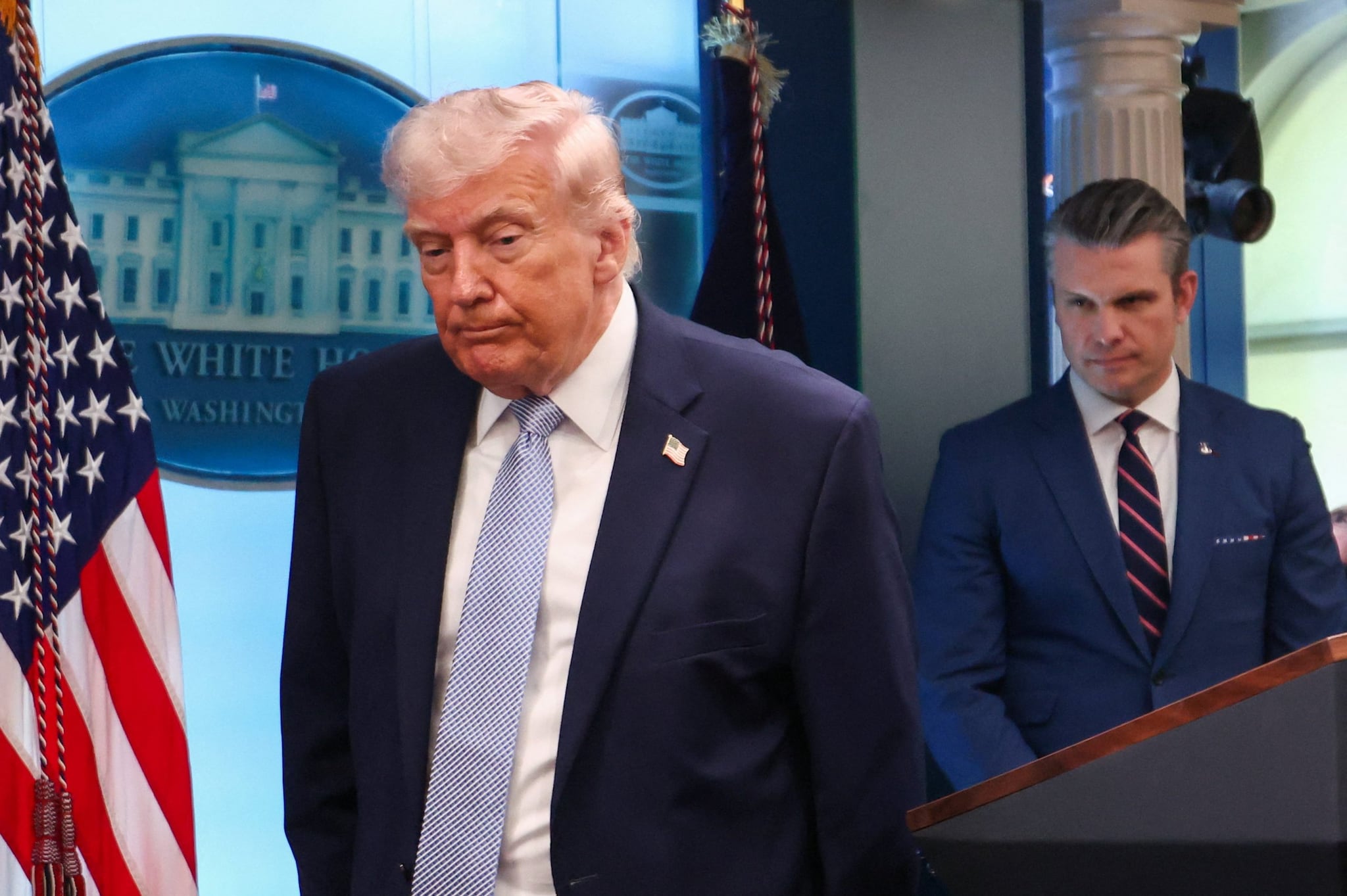
Donald Trump isn't one for subtle diplomatic dances. Right now, he's basically standing in the middle of a global powder keg with a lighter in one hand and a smartphone in the other. As the clock ticks down on a fragile 14-day ceasefire set to expire Wednesday, April 22, 2026, the rhetoric coming out of the White House is getting darker. He's making it clear: either Iran signs a deal in Islamabad, or the "bombs start going off" again.
It's a high-stakes game of chicken that's already costing the world a fortune. Between the closure of the Strait of Hormuz and the literal billions in economic damage already recorded, nobody’s winning. But Trump seems to think his "maximum pressure" 2.0 will work where everything else has stalled. Honestly, it's a lot to keep track of, especially when he's also screaming at the Fed to cut rates and trashing the Supreme Court over his stalled tariff plans.
The Islamabad Ultimatum and the Looming Strikes
The ceasefire that started on April 8 was supposed to be a breathing room. Instead, it's been a two-week shouting match. Trump told CNBC on Tuesday that he has no interest in extending the truce. "We don't have that much time," he said. It’s a classic Trump move—create a hard deadline to force a concession.
But Iran isn't exactly folding. Their negotiators are hinting at "new cards on the battlefield." We've already seen the U.S. Navy seizing Iranian container ships and the Pentagon boarding the M/T Tifani in the Indian Ocean. This isn't just "pressure"—it's an active blockade.
What a "No Deal" Scenario Looks Like
If the 4:50 a.m. PST deadline passes on Wednesday without a signature, expect the following:
- Resumed Airstrikes: The U.S. and Israel have already hit government sites in Tehran earlier this year. More of that is on the table.
- Hormuz Chaos: Iran has already shown they can choke the world’s oil supply. If they fully shut the Strait again, gas prices at your local station will skyrocket.
- Proxy War Escalation: Expect Hezbollah and other groups to turn up the heat on U.S. bases in the region.
Trump's even trying a weird bit of social media diplomacy, telling Iran they should free eight women facing execution to "boost the chances" of the talks. It’s a strange mix of humanitarian appeal and military threat.
The Fed Feud and the Kevin Warsh Factor
While Trump’s busy threatening to blow things up abroad, he’s also fighting a war against his own central bank. He wants interest rates down. Now. The Fed, currently sitting at 3.5–3.75%, has been playing it safe, holding steady because the war in Iran is making inflation a nightmare.
Trump’s pick for the next Fed Chair, Kevin Warsh, is caught in the middle. Markets are trying to figure out if Warsh will be the "inflation hawk" he used to be or if he’ll just do whatever Trump wants. The President's logic is simple: he wants the economy booming for the 2026 midterms, and high rates are a buzzkill. But you can't have a war that spikes oil prices and then expect the Fed to just ignore the resulting inflation. It doesn't work that way.
The Tariff War Hits a Legal Wall
If the Iran conflict and the Fed weren't enough, Trump is also reeling from a massive legal loss. The Supreme Court recently nuked his broadest tariffs, ruling that he didn't have the authority under the International Emergency Economic Powers Act (IEEPA) to just tax everything that moves.
Trump’s response? He slammed the ruling and immediately started looking for workarounds. He’s already pivoting to Section 232 of the Trade Expansion Act to slap 100% tariffs on patented pharmaceuticals. He’s basically telling the courts that if they block one door, he’ll just kick down the next one.
The fallout from the court's decision is a mess. We're talking about over $166 billion in tariffs that were already collected and might now need to be refunded. It’s a bureaucratic nightmare for U.S. Customs and a massive headache for any company trying to plan their supply chain for the rest of 2026.
How This Hits Your Wallet
Don't think this is just high-level politics that won't touch you. If the Islamabad talks fail, the ripple effect is immediate.
- Energy Costs: When the Strait of Hormuz gets blocked, shipping insurance premiums go through the roof. You pay for that at the pump and in your heating bill.
- Prescription Drugs: The new 100% "Pharma Tariffs" on active ingredients will likely drive up the cost of name-brand meds by the end of the year.
- Market Volatility: If you have a 401k, you've probably noticed it’s been a rollercoaster. Uncertainty about war and interest rates is the fastest way to kill a rally.
Trump thinks he can win on all three fronts—Iran, the Fed, and the Tariffs—by being the loudest person in the room. But as we've seen with the Supreme Court ruling, the "loudest person" strategy has its limits when it hits the law or the reality of global oil markets.
If you’re a business owner or an investor, you need to watch that Wednesday deadline. If there's no extension and no deal, the "tranquil" period of the last two weeks is over. Make sure your supply chains have contingencies that don't rely on a peaceful Middle East, and don't bet on those Fed rate cuts happening as fast as the White House wants them to. Things are about to get very loud.