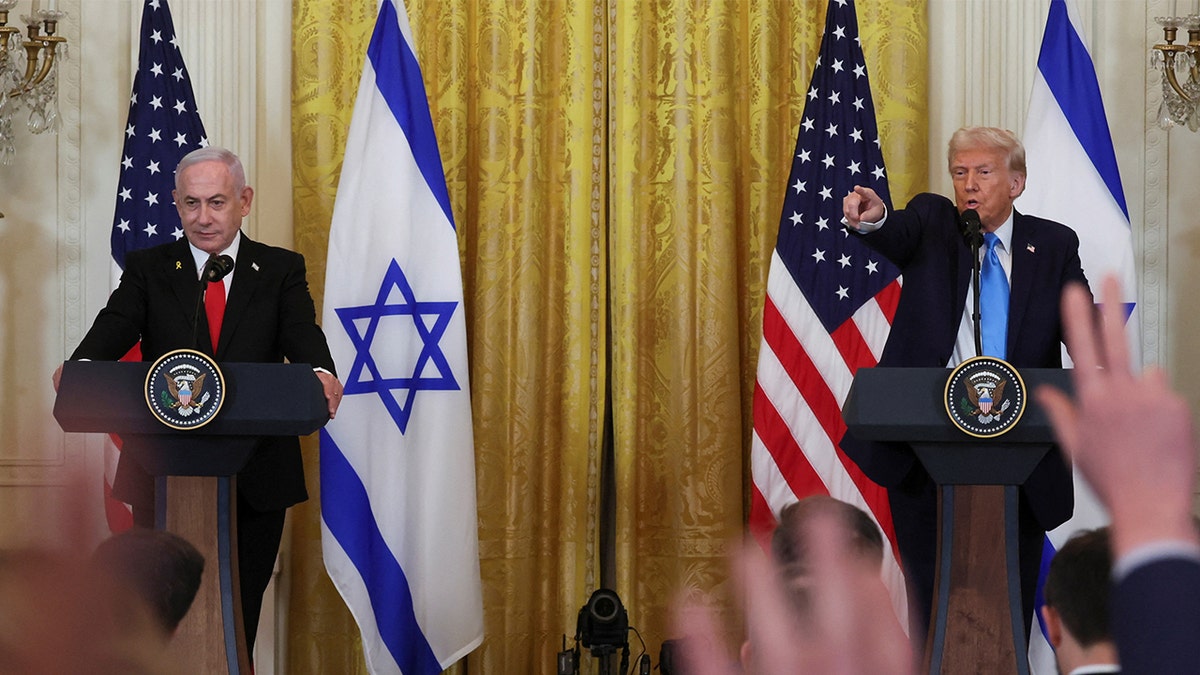
"Enough is enough!!!"
That's the quote currently reverberating through every capital in the Middle East. President Donald Trump didn't just suggest a pause in hostilities today; he declared that Israel is "prohibited" from carrying out further strikes on Lebanon. It’s a bold, direct intervention that has effectively frozen a conflict that was threatening to swallow the entire region. Don't forget to check out our previous post on this related article.
For anyone who’s been following the chaotic spiral of the last few months, this isn't just another diplomatic press release. It's a hard line in the sand.
Starting Friday, April 17, 2026, the U.S. stance has shifted from quiet mediation to public enforcement. The message to Prime Minister Benjamin Netanyahu was loud, clear, and posted for the world to see on Truth Social. Israel won't be bombing Lebanon anymore because the U.S. has said so. If you want more about the context here, Associated Press provides an informative breakdown.
The 10 Day Ceasefire and What It Actually Covers
We're looking at a 10-day ceasefire that officially kicked in Thursday night. While 10 days sounds like a blink of an eye, in this part of the world, it’s a lifetime. This window is meant to halt the violence that’s been escalating since early March, when Hezbollah’s rocket fire triggered a massive Israeli offensive.
The human cost has been staggering. Lebanese health officials estimate about 2,300 people have died in just 45 days. You've got over a million people displaced, wandering through a landscape of rubble and fear. Trump’s "prohibition" is aimed squarely at stopping those numbers from climbing higher.
But don't think this is a total withdrawal. Netanyahu isn't pulling troops out of southern Lebanon yet. He’s made it clear that his forces are staying put to counter "immediate threats." There's a 10km "security zone" that Israel still controls. This is the friction point. Trump says "no bombing," but the reality on the ground is a tense, finger-on-the-trigger standoff where "self-defense" remains a very loosely defined term.
The Iran Connection and the Strait of Hormuz
You can't talk about Lebanon without talking about Iran. Trump has been adamant that this Lebanon deal isn't "tied" to the ongoing negotiations with Tehran, but anyone with a map knows better.
While the bombing in Lebanon stops, the U.S. naval blockade on Iran stays exactly where it is. Trump is playing a high-stakes game of regional chess. He’s offering a reprieve to Lebanon while keeping the financial and military vice tightened on Iran.
Iranian Foreign Minister Abbas Araghchi announced that the Strait of Hormuz is open for commercial shipping during the ceasefire. This is huge. Nearly 20% of the world's energy moves through that narrow stretch of water. Trump claims Iran has even agreed to never close it again. If that’s true, it’s a massive win for global energy stability. But the U.S. blockade won't lift until the "transaction" with Iran is 100% finished.
It’s a "trust but verify" approach on steroids. Trump is removing sea mines with U.S. assistance, yet he’s refusing to let a single Iranian-linked vessel through the blockade until he gets the nuclear concessions he wants.
Why the Paper Tiger Comments Matter
In the middle of all this, Trump took a massive swing at NATO. He called the alliance a "Paper Tiger" and told them to "stay away" from the situation in the Strait of Hormuz.
This isn't just typical rhetoric. It’s a signal that the U.S. is moving toward a coalition of regional partners—specifically Saudi Arabia, the UAE, and Qatar—rather than relying on old European-led structures. He’s basically saying that when the world was on the brink of an energy crisis, NATO was "useless," and he’s not interested in their help now that he's supposedly fixed it.
This shift tells us a lot about how the next phase of Middle East diplomacy is going to look. It’s going to be transactional, U.S.-led, and heavily reliant on Gulf state support.
Realities on the Ground in Southern Lebanon
If you're in Beirut or Tyre right now, the silence is terrifying. The Lebanese army is warning people not to rush back to their homes in the south. Why? Because intermittent shelling is still happening.
The "prohibition" on bombing doesn't automatically mean the war is over. It means the big, city-leveling airstrikes are supposed to stop. But small-scale skirmishes, drone hits, and artillery exchanges in that 10km buffer zone are still a massive risk.
Hezbollah’s Hassan Fadlallah says they’ll respect the truce as long as Israel does. But the U.S. and Israel still want Hezbollah completely disarmed. That’s a tall order for a Lebanese army that is under-equipped and historically hesitant to take on the militia.
What You Should Watch For Next
The next few days are the "make or break" period for this regional reset. Keep your eyes on these specific moves:
- The Washington Summit: Netanyahu and Lebanese President Joseph Aoun are scheduled to meet next Tuesday. This is the first summit of its kind in decades. If it actually happens, it’s a historic shift.
- The Iran "Transaction": Watch for news on nuclear material control. Trump says "no money will exchange hands," which suggests he’s looking for a deal that focuses on security rather than the billions in unfrozen assets we saw in past administrations.
- The Hormuz Mines: If the U.S. and Iran are truly working together to clear sea mines, it’s the most significant military cooperation between the two since the 1980s.
This isn't a permanent peace. It’s a 10-day experiment in high-pressure diplomacy. Trump is betting that by stopping the bombs in Lebanon, he can force a bigger deal with Iran. If it works, he’s the architect of a new Middle East. If it fails, the "Paper Tiger" won't be the only one looking weak.
If you have business interests in the region or are tracking energy prices, the reopening of the Strait of Hormuz is your primary indicator. Watch the shipping lanes. If the tankers keep moving, the deal is holding. If they stop, the "Enough is enough" era is over before it even started.