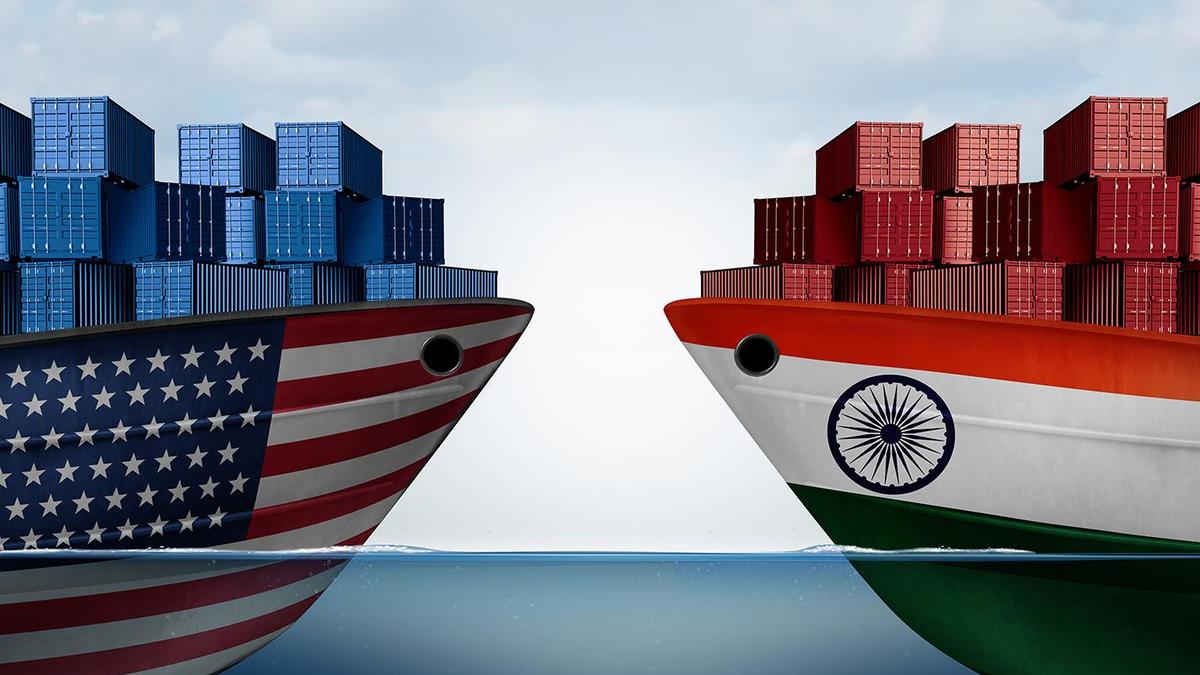
The US Court of International Trade just threw a massive wrench into the gears of global commerce. In a 2-1 ruling handed down on May 7, 2026, the court struck down the 10% blanket tariffs that had become the signature of current trade policy. If you're a business owner or an investor looking at the upcoming Bilateral Trade Agreement (BTA) between India and the US, this isn't just "news." It’s a warning that the ground you’re standing on is shifting.
For months, the White House pushed the idea that these universal tariffs were a legal certainty under Section 122 of the Trade Act of 1974. The court didn't buy it. The judges ruled that the administration failed to prove the "serious balance-of-payments deficits" required to trigger such aggressive executive power. This marks the second major legal defeat for this tariff strategy in as many years. Last year, the Supreme Court gutted the "reciprocal tariffs" originally imposed under the International Emergency Economic Powers Act. Now, the fallback plan is in tatters too.
The India Deal is Stuck in Limbo
Don't let the optimistic press releases from early 2026 fool you. While Prime Minister Modi and President Trump announced a "historic" framework in February, the legal reality has changed. India was ready to slash its own duties on American pecans, apples, and spirits in exchange for the US dropping its effective 50% peak tariff rate down to a more manageable 18%.
That 18% figure was predicated on a US "baseline" tariff that may no longer legally exist.
Trade experts like Ajay Srivastava, a former trade official and founder of GTRI, are already sounding the alarm. He’s essentially saying that India should hit the brakes. If the US can’t guarantee its own tariff levels because of constant court losses, any deal India signs becomes a one-way street. India would be giving up permanent market access for a "benefit" from the US that might be struck down by a judge next Tuesday. It's a bad trade.
The Cat and Mouse Game of Trade Law
The White House says it’ll appeal the ruling to the Federal Circuit. They’ll likely get a stay, meaning the 10% tariffs stay in place for most people—for now. But the "cat-and-mouse" game, as some call it, is exhausting the patience of America's trading partners.
When one legal tool breaks, the administration just reaches for another. We’re already seeing new Section 301 investigations into 16 trading partners, including India and China. There’s also talk of using Section 232 "national security" justifications for everything from semiconductors to critical minerals.
Here’s why this matters for you:
- Cost Volatility: If you’re importing components from India, you can’t price your products if the tariff changes every 90 days based on a court ruling.
- Negotiation Gridlock: Malaysia has already walked away from its US trade talks. India is still at the table, but the momentum has stalled.
- Refund Chaos: While the tariffs are still being collected, the court’s ruling allows companies to file for refunds. If the appeal fails, billions of dollars will need to be clawed back from US Customs.
Why the BTA Might Be a Bad Move for New Delhi Right Now
The US expects India to drop its Most-Favoured-Nation (MFN) duties to zero in many sectors. In return, the US isn't offering to drop its own standard MFN rates; it’s only offering to lower these "emergency" tariffs that courts keep saying are illegal anyway.
If India signs the BTA today, they’re trading real, permanent concessions for a temporary reprieve from a tax that shouldn't even exist. It’s like paying a "protection fee" to a guy who doesn't actually own the building.
Furthermore, the US is tying these trade deals to geopolitical shifts. A huge part of the February framework involved India ditching Russian oil in favor of US energy exports. With the legal authority behind the US carrot (lower tariffs) looking shaky, the stick (punitive tariffs for buying Russian) loses its bite.
What to Watch Next
The immediate next step is the government’s appeal. If the Federal Circuit refuses to stay the lower court's ruling, we could see an immediate suspension of the 10% levy. This would effectively return the US to its pre-Trump tariff structure, making the entire BTA negotiation with India redundant.
If you're managing a supply chain or advising on trade, don't bank on the 18% "reciprocal" rate promised in February. Prepare for the possibility that the US will pivot to even more aggressive Section 301 "unfair trade" probes to get around these court setbacks.
Keep an eye on the Department of Commerce’s next move regarding the Russian oil link. If they can’t use broad tariffs, they’ll likely use targeted sanctions or "forced labor" probes to achieve the same result. The era of predictable trade is over. For now, the safest bet is to wait for the appellate court to speak before making any long-term capital commitments.