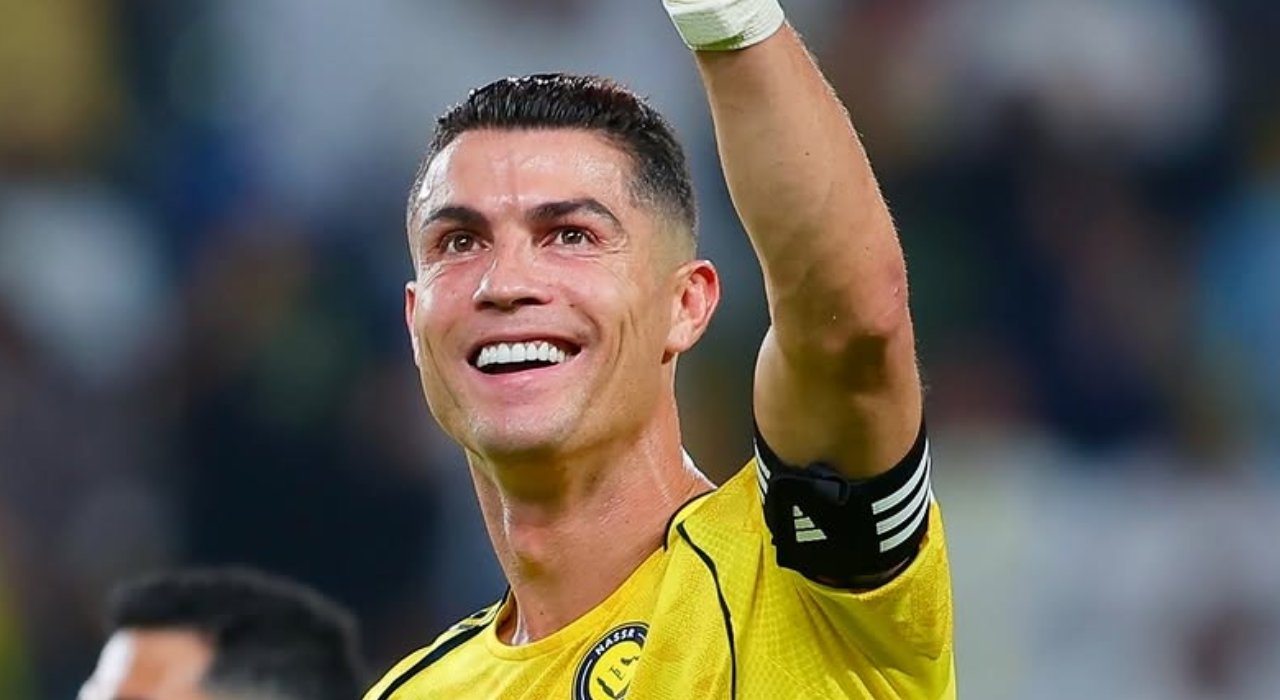
The valuation of a single Instagram post by Cristiano Ronaldo—frequently cited in the range of $3.2 million to $4.2 million—is not a reflection of mere celebrity, but the result of a hyper-efficient digital distribution monopoly. While traditional media buying relies on fragmented reach across multiple channels, Ronaldo represents a "single-point-of-failure" for global attention. He controls a direct-to-consumer pipeline exceeding 630 million followers, a scale that bypasses the logistical inefficiencies of traditional advertising agencies and television networks. To understand how a single image can command the price of a Super Bowl commercial, one must analyze the convergence of platform algorithms, globalized sports tribalism, and the specific mechanics of digital arbitrage.
The Power Law of Social Distribution
Digital attention follows a strictly non-linear distribution. In the ecosystem of Instagram, the value of an account does not scale 1:1 with follower count; it scales exponentially due to the Network Effect of Virality. Ronaldo sits at the extreme right tail of this distribution curve. For a closer look into this area, we suggest: this related article.
- Algorithmic Primacy: High-engagement accounts receive preferential treatment from recommendation engines. Because Ronaldo’s baseline engagement is massive, his content is structurally guaranteed to appear on the "Explore" pages of users who do not even follow him.
- Global Geographic Arbitrage: Unlike regional influencers, Ronaldo’s audience is geographically agnostic. A brand like Nike or Herbalife can amortize the cost of a $4 million post across 200+ national markets simultaneously.
- The Trust Premium: In a saturated digital market, the cost of customer acquisition (CAC) is rising. Leveraging a "Parasocial Relationship"—the one-sided emotional bond fans feel with a star—drastically reduces the friction of the sales funnel.
The Triple-Pillar Framework of Influence Valuation
The market rate for a Ronaldo post is determined by three distinct economic variables that most casual observers conflate.
1. Media Equivalency Value (MEV)
This is the most "clinical" metric. If a brand wanted to reach 600 million people via Facebook Ads or Google Display, what would the Gross Rating Points (GRP) cost? Given the average CPM (cost per thousand impressions) for premium sports audiences, reaching a tenth of Ronaldo’s audience through standard ads would often exceed the price of his direct fee. Brands are effectively buying bulk inventory at a discount, despite the seemingly high sticker price. To get more context on the matter, in-depth coverage is available at Financial Times.
2. IP and Licensing Rights
A "post" is rarely just a post. The contract usually includes the right for the brand to repurpose that image in their own advertising for a set period. The value includes the licensing of the "CR7" brand—a trademarked asset with its own independent equity. The brand is purchasing a temporary association with his "High-Performance" archetype.
3. Behavioral Conversion Incentives
Ronaldo’s posts often trigger immediate, measurable spikes in stock price or app downloads. This isn't just "brand awareness"; it is direct-response marketing at the highest possible scale. When Ronaldo moved a Coca-Cola bottle during a press conference and wiped billions off the company’s market value, he demonstrated the "Negative Influence" capability, which conversely justifies the high premium brands pay for "Positive Alignment."
The Arbitrage of the Attention Monopoly
The efficiency of Ronaldo’s monetization is a byproduct of Platform Dependency. Instagram provides the infrastructure (servers, distribution, interface), while Ronaldo provides the raw material (content and audience).
The primary risk in this model is the "Single Platform Concentration." However, Ronaldo has mitigated this by diversifying his digital footprint across X (formerly Twitter), Facebook, and most recently, a record-breaking YouTube channel launch. This cross-platform synergy creates a "Moat" around his digital presence. If Instagram's algorithm changes, his audience is already tethered to him elsewhere.
Structural Bottlenecks and Diminishing Returns
While the numbers are staggering, the model faces three primary constraints:
- Saturation Threshold: There is a finite amount of sponsored content an audience will tolerate before "Ad Blindness" sets in. If Ronaldo posted five ads a day, the value of each would plummet. He maintains value through scarcity.
- The Aging Variable: Ronaldo’s value is intrinsically linked to his active athletic career. As he moves further from peak competition (the "Source of Authority"), the premium on his influence will shift from "Active Aspiration" to "Legacy Nostalgia," which typically commands lower conversion rates in the 18-34 demographic.
- Platform Governance: Changes in how Instagram handles "Branded Content" tags or shadows-banning certain categories (like crypto or gambling) can instantly alter the liquidity of his posts.
The Cost Function of Authenticity
The "Cost" of a Ronaldo post to the brand is clear, but the "Cost" to Ronaldo is the potential dilution of his personal brand. Every sponsored post is an exercise in Equity Drawdown. To maintain a $4 million-per-post valuation, the influencer must ensure the sponsored content feels like an extension of their lifestyle rather than an intrusion.
The mechanism here is "Aspirational Integration." If Ronaldo promotes a luxury watch, it reinforces his status. If he promotes a low-quality mobile game, he trades long-term brand equity for short-term liquidity. His team’s strategy has leaned heavily toward high-status, high-margin partnerships (LifeScore, Binance, various luxury horology), which preserves the "Luxury Multiplier" on his post rate.
Tactical Application for Enterprise Strategy
For CMOs and strategists, the Ronaldo phenomenon provides a blueprint for "Aggregated Influence" tactics:
- Shift from Micro to Macro-Aggregators: While the 2010s focused on "Micro-influencers" for high engagement, the 2020s are seeing a return to "Mega-influencers" who can provide instant, global market penetration.
- The "Halo Effect" Audit: Brands must measure the "Tail-End" engagement of a post. A Ronaldo post generates thousands of "re-posts" and news articles, creating a secondary wave of free media that often doubles the initial ROI.
- Risk Mitigation via Contractual Morality Clauses: High-value influence is high-risk. The valuation includes a "Volatility Premium"—the cost of ensuring the spokesperson remains a viable global icon.
The digital economy has moved past the era of simple "visibility." We are now in the era of Total Audience Capture. Ronaldo is not an athlete who happens to have a large social media following; he is a media conglomerate that happens to play football. The $4 million per post is not an anomaly—it is the market-clearing price for the world’s most efficient distribution engine.
The strategic play for competitors is not to replicate his scale, which is an impossibility born of twenty years of athletic dominance, but to identify "Sub-Niche Monopolies" where the same power law applies at a smaller, more targeted scale. The "Ronaldo Model" proves that in the digital age, the most valuable asset is not the product, but the direct, unmediated access to the human attention span.