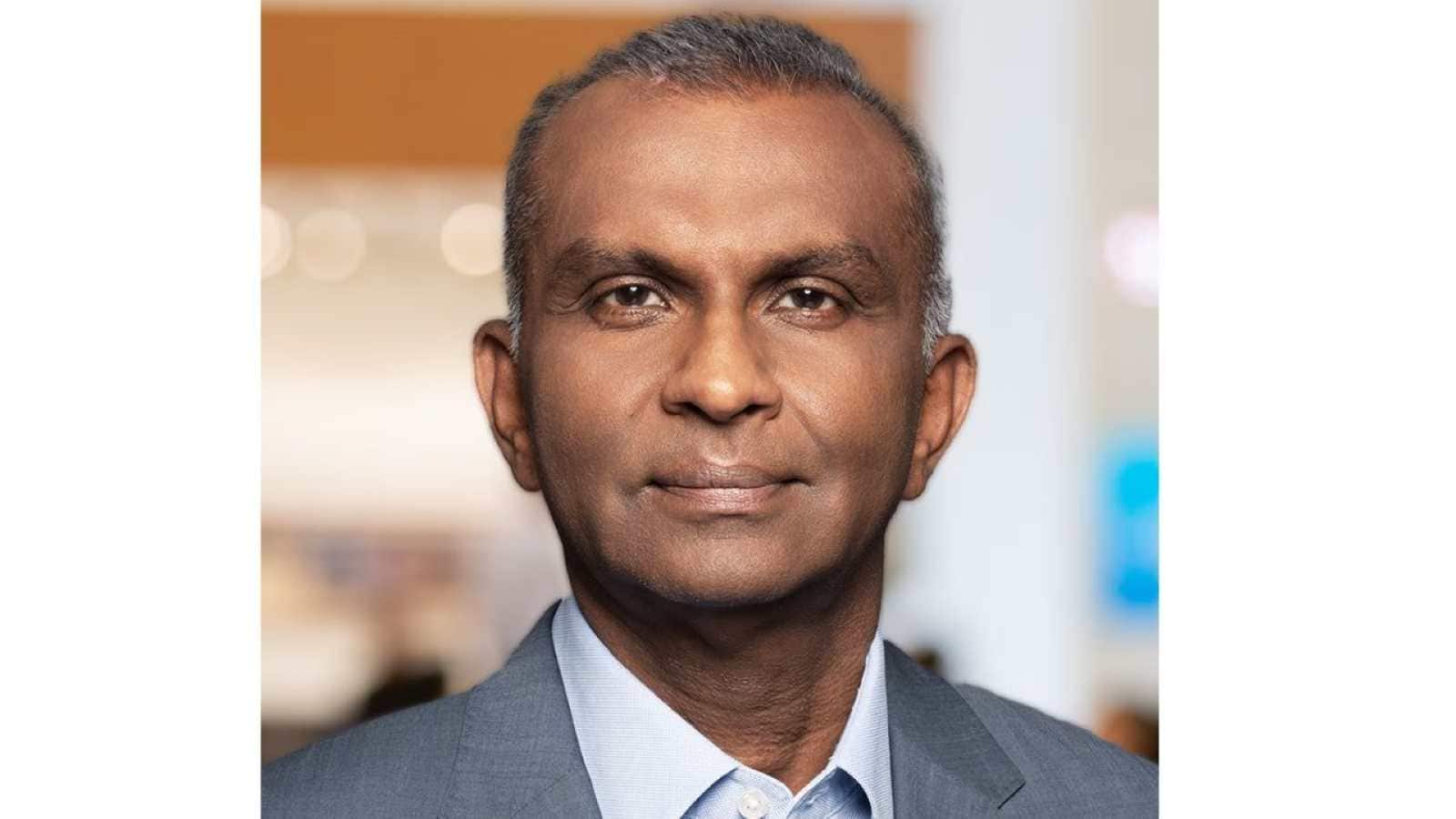
In a quiet corner of a Seoul cafe, an elderly woman counts out her coins. She is calculating the cost of a bag of rice. She does not know the name Shin Hyun-song. She does not follow the inner workings of the Blue House or the sterile, marble-floored hallways of the Bank of Korea. Yet, the man whose name was recently whispered in the highest corridors of power will soon dictate whether those coins in her palm can still buy her dinner next month.
Economic policy is often presented as a series of spreadsheets, a collection of interest rates and inflation targets that feel as cold as dry ice. But at its heart, the appointment of a central bank governor is a deeply human drama. It is a story of trust, stability, and the invisible threads that connect a high-rise office in Seoul to the kitchen tables of millions. For a closer look into this area, we suggest: this related article.
The nomination of Shin Hyun-song to lead the Bank of Korea is not just a personnel change. It is a signal. It is a response to a world that feels increasingly precarious.
The Architect of the Invisible
Shin is not a career bureaucrat who climbed a ladder made of rubber stamps and politeness. He is a thinker who spent years at the Bank for International Settlements (BIS), watching the global financial system breathe, stutter, and occasionally choke. He understands something that many politicians ignore: money is not just math. Money is psychology. For broader background on this topic, detailed analysis is available on Financial Times.
Imagine a bridge. Most people see the cars crossing it. They see the pavement and the railings. Shin is the engineer obsessed with the vibrations in the steel cables that no one else can feel. He spent his career warning about "procyclicality"—a dense term that essentially means the financial system has a terrifying habit of overreacting. When things are good, the system lends too much, fueling a bubble. When things look even slightly bad, it pulls back so fast that it crushes the very people it was supposed to support.
The Governor of the Bank of Korea must be the person who keeps the bridge from swaying.
South Korea is currently navigating a narrow path. On one side is the ghost of inflation, eating away at the purchasing power of the middle class. On the other is a mountain of household debt that threatens to crumble if interest rates rise too sharply. It is a delicate balancing act that requires more than just technical skill; it requires a certain kind of courage to be the most unpopular person in the room.
A World of Interconnected Fates
Consider a hypothetical small business owner named Min-jun. He runs a logistics firm in Busan. To Min-jun, the Bank of Korea is a distant entity. But when the central bank decides on a rate hike, Min-jun’s loan repayments increase. To cover those costs, he has to charge more for deliveries. The grocery store passes those costs to the elderly woman counting her coins.
Everything is linked.
Shin’s background at the BIS gives him a global perspective that is rare. He understands that South Korea does not exist in a vacuum. When the U.S. Federal Reserve shifts its weight, the ripples turn into waves by the time they hit the shores of the peninsula. He has spent years analyzing how international capital flows—the massive, invisible rivers of money that move across borders at the speed of light—can stabilize or destroy an economy.
His appointment suggests that the government is no longer looking for a simple administrator. They are looking for a navigator. They want someone who can look at the horizon and see the storm before the first raindrop hits the glass.
The Burden of the Desk
The office of the Governor is surprisingly quiet. There are no flashing lights, no sirens, no immediate feedback. You pull a lever, and you wait months to see if the machine responded. It is a lonely kind of power.
For Shin, the transition from the world of academic theory and international advisory to the front lines of domestic policy will be jarring. In the ivory towers of the BIS, a mistake is a footnote in a research paper. At the Bank of Korea, a mistake is a shuttered factory. It is a family losing their home because they can no longer bridge the gap between their income and their mortgage.
There is a specific kind of weight that comes with that responsibility. It shows in the graying hair and the sharpened focus of those who hold the seat.
South Koreans are famously resilient, but that resilience has been tested by years of global volatility. They are looking for someone who speaks the language of stability. Shin’s reputation is built on the idea of "macroprudential" policy—the belief that you have to look at the health of the entire forest, not just the individual trees. If one part of the financial system is rotting, it will eventually bring down the rest.
The Human Cost of Data
Critics will point to his lack of domestic political experience. They will wonder if a man who has spent so much time in the rarified air of international finance can understand the struggles of a street market vendor in Daegu.
But perhaps that distance is exactly what is needed.
A central banker who is too close to the political winds is a dangerous thing. They might be tempted to keep rates low to please voters today, even if it causes a catastrophe tomorrow. Shin’s career suggests a man who values the long-term integrity of the system over the short-term noise of the news cycle. He is a student of history, and history shows that the most successful central bankers are the ones who are willing to be hated in the present to be thanked in the future.
We often talk about "the economy" as if it is a weather pattern—something that just happens to us. We forget that it is a human construct, managed by human hands.
The woman in the cafe finishes her tea. She gathers her bags. She is reliant on the fact that the currency in her pocket will hold its value until she reaches the store. She is relying on a man she has never met to make decisions she will never fully see.
Shin Hyun-song is now the guardian of that quiet, essential trust.
He steps into a role where his greatest successes will be the disasters that never happened. If he does his job perfectly, the bridge remains still, the coins keep their value, and the world continues to turn without noticing the man behind the desk. It is a thankless, vital, and profoundly human endeavor.
The ink on the nomination is dry, but the real work is written in the lives of fifty million people who are simply waiting to see if their bridge will hold.