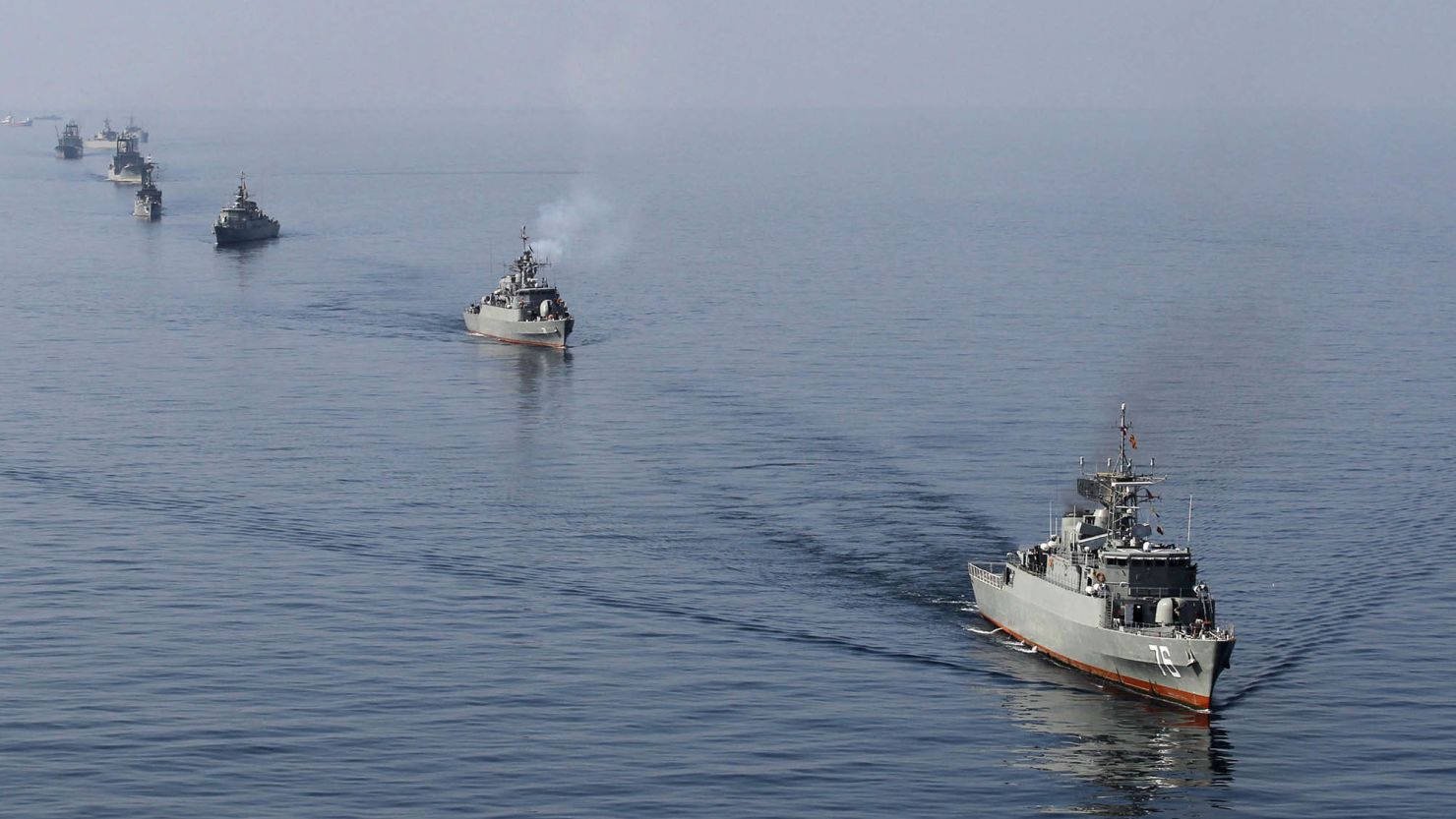
The maritime border between order and chaos is officially gone. Forget the diplomatic talk coming out of Washington or the UN; the reality on the water in the Strait of Hormuz is a powder keg with a very short fuse. We're seeing a high-stakes game of chicken where the "rules of engagement" are being rewritten daily in blood and seized cargo.
Today’s escalation isn’t just another headline. Israel’s targeted strike in southern Lebanon, which took out three Hezbollah operatives, isn't an isolated counter-terror move. It’s a direct signal to Tehran. Meanwhile, Iran is shouting "piracy" at the United Nations because the US military is actually doing what it threatened: physically stopping Iranian oil and gas from reaching the market.
If you think this is just another Middle East flare-up, you're missing the bigger picture. We’re watching a coordinated attempt to bankrupt the Iranian regime while simultaneously dismantling its "Axis of Resistance" from the outside in.
The Lebanon Front and the Ceasefire That Isn't
The recent Israeli strike on the Shoukine road in Nabatieh district didn't just kill three militants; it effectively shredded whatever was left of the fragile truce. Hezbollah claims these men were "martyrs on the road to Jerusalem," but the IDF says they were "violating ceasefire understandings" and posing an immediate threat to troops stationed in the newly established security zone.
Let's be real about what's happening in southern Lebanon. Israel has carved out a 5-to-10 kilometer buffer zone. They’re razing infrastructure to ensure Hezbollah can’t just walk back into their old tunnels once the dust settles. Hezbollah, backed into a corner, is using fiber-optic FPV drones—tech that’s notoriously hard to jam—to pick off Israeli tanks. It’s a low-level war masquerading as a ceasefire.
The Lebanese government is basically a spectator at this point. They’re accusing Israel of "violating sovereignty," while Hezbollah calls the government "impotent" for not securing a total Israeli withdrawal. It's a mess. When Israel kills senior elements in Beirut or Nabatieh, they aren't just hitting targets; they're daring Iran to do something about it.
Piracy or Law Enforcement at Sea
While the bombs fall in Lebanon, the real economic war is happening in the Arabian Sea. Iran’s envoy to the UN, Amir Saeid Iravani, just filed a formal protest calling US ship seizures "piracy." This isn't just heated rhetoric. The US has implemented a full-scale naval blockade, and CENTCOM recently confirmed it has redirected or seized over 37 vessels linked to Iran.
The most recent flashpoint involves the Sevan, a Panamanian-flagged gas tanker. US forces intercepted it after the Treasury Department slapped it with sanctions for moving Iranian fuel. Iran’s response? They’ve effectively closed the Strait of Hormuz again, turning away commercial ships and demanding the US lift the blockade.
You have to look at the numbers to see why Tehran is panicking.
- Daily Cost: The US claims the blockade is costing Iran $500 million every single day.
- Traffic Collapse: Pre-conflict, 3,000 ships used the Strait monthly. Today? Maybe 5% of that.
- Retaliation: Iran has started grabbing any cargo ship it can reach as leverage, further driving up insurance premiums and making the route a "no-go" for most global shippers.
This isn't just about "piracy." It's about who owns the most vital energy artery in the world. China and Russia have already vetoed UN resolutions aimed at the Strait, calling the US blockade "dangerous and irresponsible." They aren't wrong about the danger, but they're also protecting their own interests as the global economy feels the squeeze.
Trump and the Regime Change Gamble
Washington isn't hiding the ball anymore. The goal is regime change. Following the February strikes that took out high-ranking Iranian leadership, including the Supreme Leader, the US strategy has shifted from "containment" to "collapse."
President Trump has been vocal at White House state dinners, claiming allies like King Charles III are on board with the US stance against Iran's nuclear ambitions. But behind the scenes, the "allies" are a lot more nervous. The UK and France are trying to push a "multinational mission" to reopen the Strait, specifically because they don't want to be tied to a total US-led blockade that could trigger a global oil shock.
India’s Deputy Permanent Representative to the UN, Yojna Patel, called the attacks on commercial shipping "deplorable." When India starts using that kind of language, you know the shipping industry is in deep trouble. New Delhi relies heavily on this corridor, and the constant seizures are making the "wait and see" approach impossible.
What Actually Happens Next
Stop waiting for a "grand bargain" or a diplomatic breakthrough in Islamabad. It's not coming. The IRGC (Revolutionary Guard) is still calling the shots in Tehran, and they view compromise as suicide. They’ve already threatened that if their ports aren't safe, "no port in the Persian Gulf will be safe." That's a direct threat to the UAE, Saudi Arabia, and Qatar.
If you’re tracking this for the markets or just trying to understand the geopolitical shift, watch these three things:
- The "Buffer Zone" Expansion: If Israel pushes past the Litani River, the Lebanon conflict is no longer a "border skirmish"—it’s a full-scale occupation.
- The Insurance Tipping Point: If Lloyd’s of London or other major insurers completely stop covering ships in the Gulf, the global supply chain for LNG and oil will break.
- The Russian Factor: Russia has already seen its oil prices jump because of the chaos. They have zero incentive to help the US stabilize the region.
The time for "measured responses" has passed. We're in a period where every seized tanker and every drone strike in Lebanon is a brick being pulled from the wall of regional stability. Don't expect a clean resolution; expect more seizures, more "piracy" accusations, and a lot more smoke over the Nabatieh district.
If you’re operating in shipping or energy, double-check your routes and your risk profiles now. The Strait isn't opening anytime soon, and the "ceasefire" in Lebanon is a ghost. The blockade is the new reality. Get used to it.



