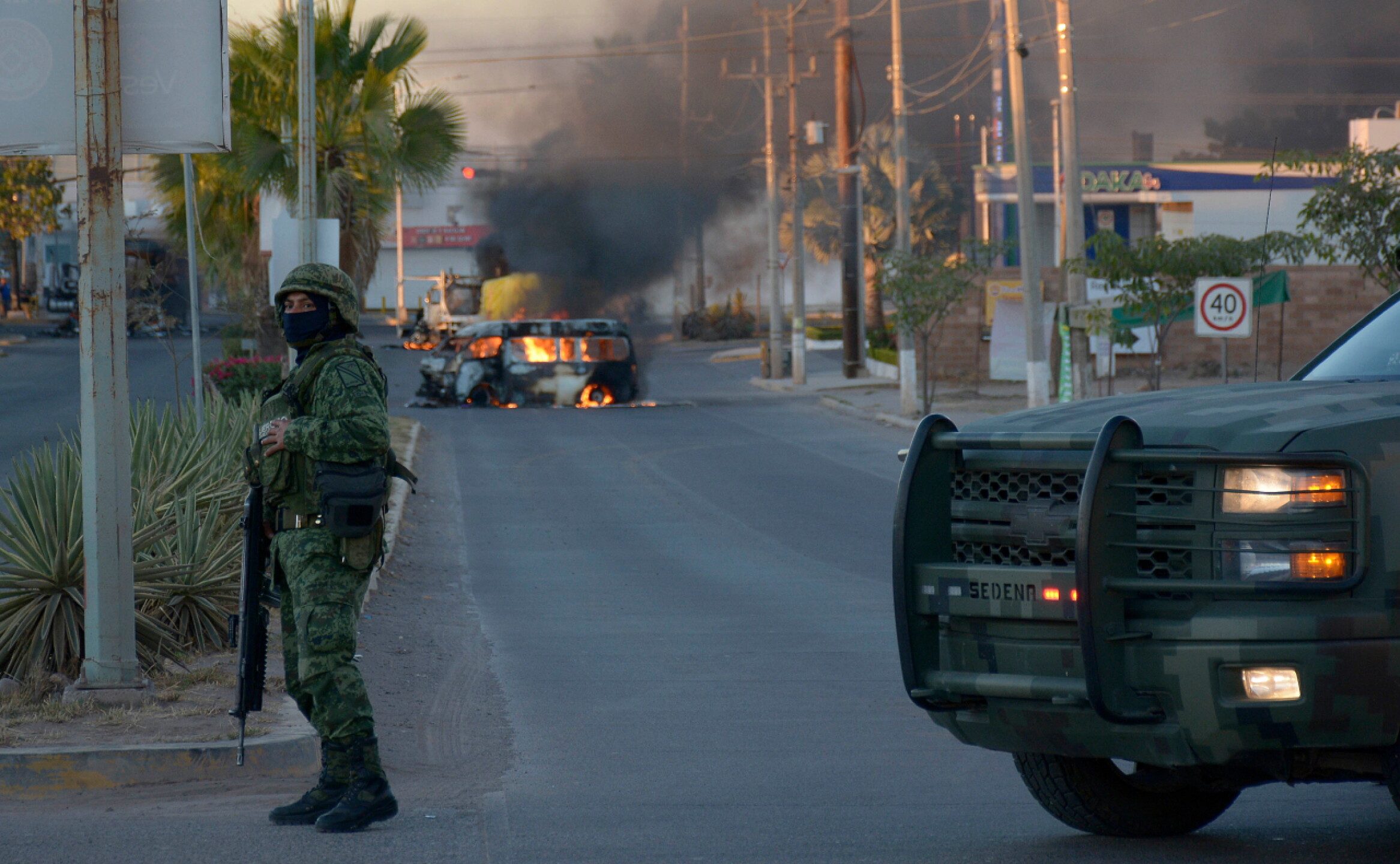
The hand-wringing in Berlin is as predictable as it is pathetic. When news broke of the United States pulling 5,000 troops out of Germany, the established media and the German political class reacted like a spoiled heir being told their trust fund was getting a modest haircut. They call it a "blow to Transatlantic relations." They claim it "undermines NATO."
They are wrong.
This isn't a strategic retreat or a sign of American isolationism. It is a long-overdue market correction. For decades, Germany has outsourced its national security to the American taxpayer while lecturing the world on fiscal responsibility. The withdrawal of these troops is not a threat to European security; it is the shock therapy required to force Europe—and Germany specifically—into adulthood.
The Myth of the "Security Vacuum"
The primary argument from the "lazy consensus" is that removing these boots from German soil creates a vacuum that Russia will instantly fill. This logic assumes that 5,000 troops—a drop in the bucket of total US forces in Europe—are the only thing standing between Vladimir Putin and the Rhine.
Let’s look at the numbers. The US has maintained roughly 35,000 troops in Germany. Shifting 5,000 of them doesn't "leave a gap." It reallocates resources to where they actually matter. Many of these troops aren't even leaving the continent; they are being moved to Poland and the Baltics.
In military terms, Germany is no longer the "Front Line." It is the "Rear Area."
During the Cold War, the Fulda Gap was the point of total friction. Today, the friction points are 1,000 miles to the east. Keeping massive garrisons in Stuttgart and Kaiserslautern is a relic of 1985. It’s the equivalent of a business keeping its primary warehouse in a city where it no longer has customers. It’s inefficient, expensive, and strategically stagnant.
The German Free-Rider Problem
For years, I’ve sat in rooms with defense contractors and diplomats who whisper what no one will say on camera: Germany has played the United States for a fool.
Under the NATO agreement, member states are supposed to spend 2% of their GDP on defense. Germany has consistently treated this target as a polite suggestion rather than a treaty obligation. While they built a massive trade surplus and funded a generous social safety net, they let their own military—the Bundeswehr—atrophy into a state of near-paralysis.
There are reports of German pilots unable to fly because their helicopters are stripped for parts. There are stories of soldiers using broomsticks painted black during NATO exercises because they lacked machine guns.
By keeping 35,000 troops there, the US effectively subsidized this negligence. We provided the "security blanket" that allowed Berlin to ignore its responsibilities. By pulling troops out, Washington is finally saying the quiet part out loud: The era of the free ride is over.
Sovereignty Isn't Free
Berlin’s calls for a "stronger European defense" are usually nothing more than rhetorical smoke. They talk about "strategic autonomy" whenever they want to disagree with US foreign policy, but they run back to the Pentagon the moment a real threat emerges.
Real sovereignty requires a "blood and iron" commitment to self-defense. If Germany truly wants to lead Europe, it cannot do so as a protectorate of the United States. A withdrawal of US forces forces the German parliament, the Bundestag, to face a hard reality: either they fund their own defense, or they accept that they have no say in how the continent is secured.
This isn't just about "defense." It's about the psychological health of a nation. A country that cannot defend its own borders is not a leader; it’s a client state.
The Economic Reality of the Garrison
Local mayors in German towns like Grafenwöhr are terrified of the economic impact. They should be. These towns have built entire local economies around serving American GIs. From car dealerships to bars, the "American Presence" is a massive local industry.
But here is the contrarian truth: A local economy based on a foreign military garrison is a fragile, artificial economy. It’s a "company town" where the company is a foreign government.
For the German economy at large, this withdrawal is a rounding error. For the US, it's a massive saving in "overseas stationing" costs. Those dollars are better spent on cyber warfare, drone tech, and long-range precision fires—tools that actually win modern wars—rather than maintaining Cold War-era bowling alleys and barracks in the German countryside.
Addressing the "People Also Ask" Nonsense
"Does this move help Russia?"
Only if you believe Russia is a 19th-century empire that only understands troop counts. Modern warfare is about logistics, tech, and resolve. A more independent, well-armed Germany—forced into action by US withdrawal—is a much bigger nightmare for the Kremlin than a dependent Germany that hides behind an American shield.
"Is NATO falling apart?"
No. NATO is evolving. The old model was "America leads, Europe follows (and pays nothing)." The new model is a "multi-polar alliance." This friction is the sound of the gears shifting. It’s uncomfortable, but necessary.
The Hard Truth for the Pentagon
We also need to be honest about the US side of this. We haven't stayed in Germany just for "security." We stayed because it was comfortable. Our generals love the lifestyle in Germany. The facilities are top-tier. The bureaucracy is established.
Moving troops to Poland is hard. The infrastructure isn't there. The political climate is more volatile. But the mission isn't supposed to be comfortable. The mission is deterrence.
We have spent billions of dollars maintaining a "legacy footprint" because we were too lazy to redesign our global posture. This withdrawal is a sign that the "Adults in the Room" are finally looking at the map and realizing that 1945 ended a long time ago.
The Counter-Intuitive Win
If you want a strong Europe, you have to stop protecting it so much.
Protection leads to weakness. It leads to the "moral hazard" where a country takes risks (or neglects duties) because they know someone else will pick up the tab.
When the US pulls these 5,000 troops, it isn't "abandoning" Germany. It is giving Germany the greatest gift a superpower can give: the necessity of standing on its own two feet.
The whining you hear from Berlin isn't the sound of a threatened ally. It’s the sound of a teenager being told to get a job. It’s high time they started filling out applications.
Stop mourning the end of the post-war era. It’s been dead for years. This withdrawal is just the funeral we were all too afraid to attend.
Don't look for a "replacement" for US troops. Look for a German military that actually works. If the withdrawal of 5,000 soldiers is enough to collapse the security of the Fourth Largest Economy on Earth, then that security was always a lie.