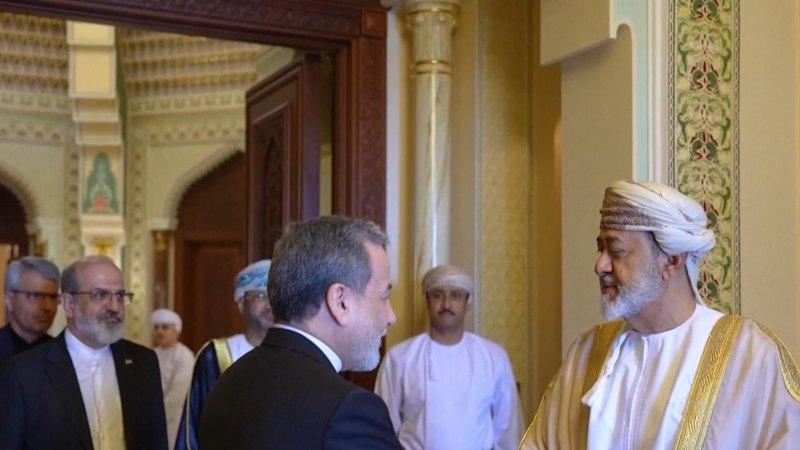
The diplomatic pleasantries have officially run dry. While the world watches the high-stakes chess match between Washington and Tehran, Thailand's leadership is sounding a localized alarm that shouldn't be ignored. Thai Foreign Minister Maris Sangiampongsa recently made it clear that despite the global ripples caused by the conflict in the Middle East, the U.S. isn't exactly stepping up to help allies deal with the collateral damage.
It's a blunt admission. For a country like Thailand, which relies heavily on stable energy prices and open shipping lanes, the "fallout" isn't just a political talking point—it's an economic handbrake.
The Cost of Staying Neutral
Thailand has worked hard to maintain its "friend to all" status. But neutrality doesn't pay the fuel bills. The conflict, which kicked off in late February 2026, has sent shockwaves through the Strait of Hormuz, a chokepoint that handles about 20% of global oil and liquefied natural gas.
When the Thai Foreign Minister points out that the U.S. offers no help, he's talking about the brutal reality of market volatility. The National Economic and Social Development Council (NESDC) has already warned that if this drags on, Thailand’s GDP growth could tank to a measly 0.2%. Inflation is already biting, and the risk of stagflation—where prices soar while the economy stalls—is no longer a "what if" scenario. It's the current trajectory.
What Thailand Is Actually Facing
- Fuel Insecurity: Domestic fuel consumption has spiked as people stockpile, jumping from 67 million liters a day to nearly 90 million.
- Shipping Nightmares: Thai cargo vessels, like the Mayuree Naree, have already faced attacks in the Strait.
- The Fertilizer Crisis: Five major Thai ships carrying fertilizer are currently caught in the logistical crossfire. For an agrarian economy, no fertilizer means no harvest.
Why Washington is Playing Hardball
You'd think a long-standing treaty ally would get a bit more support. But from the U.S. perspective, the focus is singular: crushing Iran’s military capability. President Trump’s administration has been vocal about "unleashing hell" if Tehran doesn't bite on a 15-point peace deal. In that environment, the economic struggles of a Southeast Asian nation are, frankly, a low priority for the State Department.
There's a massive disconnect here. Washington sees a security operation; Bangkok sees a collapsing supply chain. The U.S. has achieved some short-term goals—crippling 92% of Iran's naval strength—but they’ve left their regional partners to fend for themselves against the resulting price hikes and insurance premiums.
The Asean Pivot
Since help isn't coming from the West, Thailand is looking closer to home. Sangiampongsa and the Thai government are pushing for a special ASEAN foreign ministers' meeting. The goal? Creating a regional "shield" for energy and food security.
Bangkok is basically saying, "If the superpowers won't stabilize the world, we'll have to stabilize our neighborhood." They're already hunting for alternative energy sources in places like Brazil and Azerbaijan to break the Middle East's stranglehold. It's a pragmatic, if desperate, shift in strategy.
The Songkran Shadow
The timing couldn't be worse. With the Songkran holiday approaching, the Thai government is scrambling to ensure there's enough fuel for the millions of people traveling across the country. They’ve even uncovered misconduct in the fuel supply chain—smuggling and hoarding are rampant as people panic about the war's duration.
Honestly, the "no help" comment from the Foreign Minister is a wake-up call. It highlights a growing trend in 2026: the U.S. is becoming more transactional and less concerned with the "global policeman" role that includes economic stabilization for allies.
Real-World Implications for You
If you're wondering why your shipping costs are up or why certain imports are delayed, look at the Strait. The ceasefire agreements we're seeing now are fragile—mostly two-week windows that act as "tactical pauses" rather than real peace.
Next Steps for Businesses and Observers:
- Diversify Supply Lines: Don't rely on routes passing through the Persian Gulf. Thailand is already looking toward Latin America and Central Asia.
- Monitor the Baht: As the conflict persists, expect the Thai Baht to fluctuate wildly against the USD.
- Watch the Fertilizer Market: If you're in the agricultural sector, the delay in fertilizer shipments will hit food prices by Q3 2026.
Thailand isn't waiting for a handout anymore. The shift toward regional self-reliance is the only move left on the board.