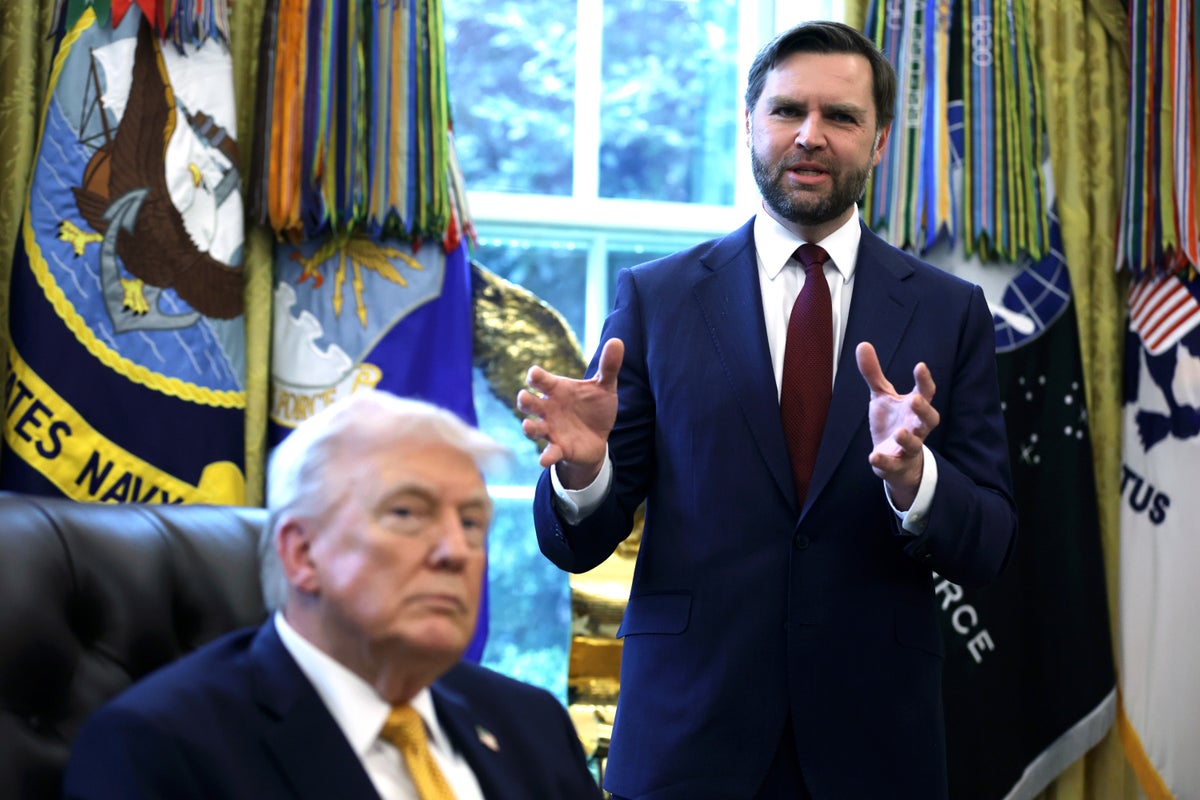
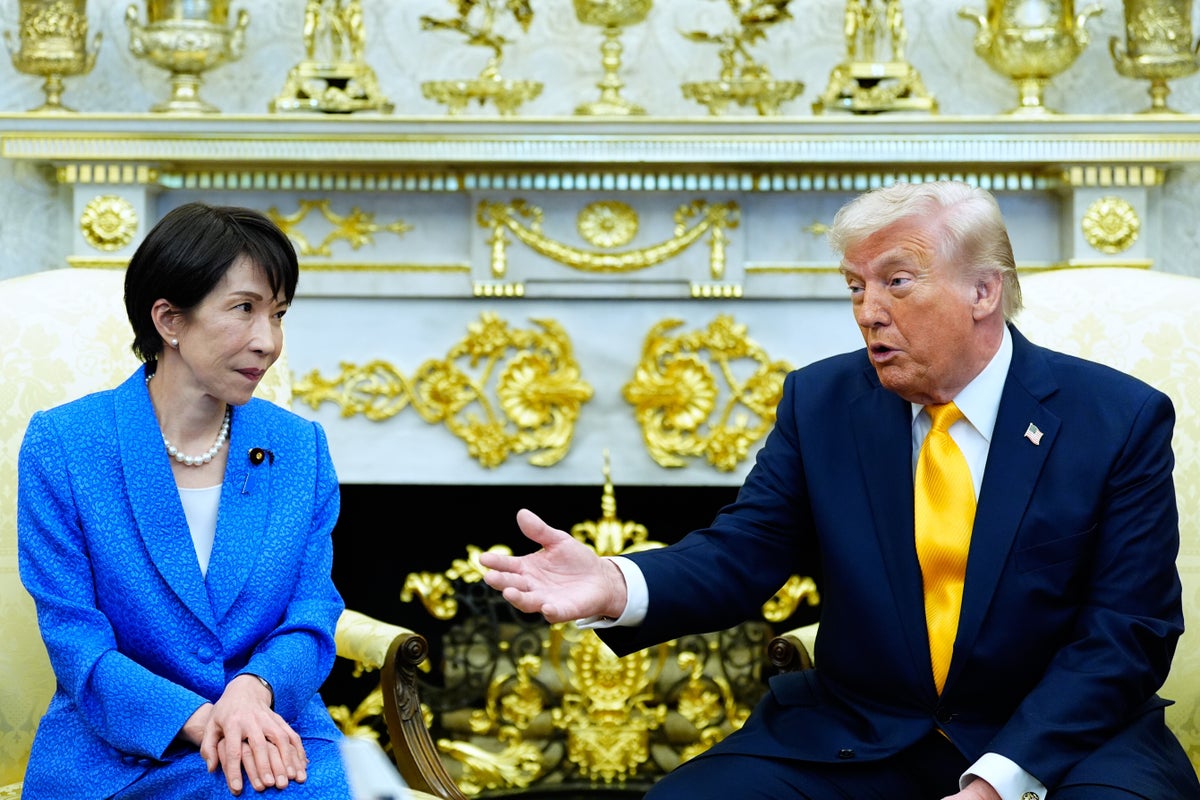
The Pentagon wants $200 billion to keep the bombs falling on Iran, and they want it yesterday. This isn’t just a budget request; it is a financial admission that the three-week-old "Operation Epic Fury" has already burned through the equivalent of a small nation's GDP. Defense Secretary Pete Hegseth stood before the press this Thursday, refusing to blink at the gargantuan price tag. "It takes money to kill bad guys," he said, leaning into the blunt-force rhetoric that has become the hallmark of the second Trump administration. But beneath the swagger lies a stark reality: the U.S. military is expending munitions faster than the American industrial base can forge them, and the Senate is finally starting to ask if the math even works.
This $200 billion supplemental request comes on top of an already bloated $800 billion defense budget and a previous $150 billion injection from last year’s tax and spending bill. If approved, it would push American military spending into a stratosphere that makes the height of the Iraq War look like a period of fiscal restraint. The administration claims the money is for "replenishment," but the sheer scale suggests a conflict that is expanding, not winding down.
The Munitions Burn Rate
The intensity of the air campaign has been staggering. In just the first two days of the war, the U.S. dropped $5.6 billion worth of munitions. We are not just talking about gravity bombs; these are high-end, precision-guided assets. General Dan Caine, Chairman of the Joint Chiefs, confirmed that 5,000-pound bunker busters are being used to crack open Iranian underground missile silos. Each one of those strikes is a multi-million dollar transaction.
The bottleneck isn't just the money—it's the shelf life. The U.S. is currently eating through its strategic reserves of Tomahawk missiles and Joint Direct Attack Munitions (JDAMs). Replacing these isn't as simple as ordering more parts on a digital storefront. It requires a massive ramp-up of a defense industrial base that has been struggling with supply chain lethargy for years.
Senate Skepticism and the $39 Trillion Shadow
While the White House frames this as a matter of national survival, the Senate is looking at the ledger with mounting dread. The national debt has surged past $39 trillion. Inflation is already spiking as energy markets react to the chaos in the Strait of Hormuz. For many lawmakers, the "blank check" era ended with the last century.
"This is not going to be a rubber stamp," warned Representative Betty McCollum. The frustration on the Hill stems from a lack of transparency. The administration has yet to provide a full accounting of how the previous $150 billion was spent. Now, they are back for $200 billion more without an exit strategy or a clear definition of what "victory" looks like in a war that has already seen 7,000 targets struck with no sign of Iranian capitulation.
- Initial week cost: $12 billion.
- Daily burn rate: Approximately $900 million.
- Total requested supplemental: $200 billion.
- Current National Debt: $39 trillion+.
The geopolitical fallout is equally expensive. While the U.S. and Israel have "totally obliterated" targets on Kharg Island—the hub for 90% of Iran's oil exports—the move has sent Brent crude toward $115 a barrel. Every cent added to the price of gas acts as a stealth tax on the American consumer, compounding the actual cost of the missiles being fired.
The Hidden Objective
President Trump has hinted that the $200 billion is for reasons "beyond even what we're talking about in Iran." This cryptic messaging has led analysts to believe the administration is using the Iran conflict as a cover to permanently shift the U.S. military to a "war footing" directed at a broader axis involving Russia and China. It is a massive gamble. By emptying the cupboards to strike Tehran, the Pentagon risks leaving itself vulnerable in the Indo-Pacific.
The administration’s "America First" doctrine is being tested by the oldest rule in warfare: the most expensive thing a country can do is start a fight it cannot quickly finish. Hegseth insists that "today will be the largest strike package yet," a promise of more fire and more spending. But as the smoke clears over the Caspian Sea, the real battle is shifting back to the Senate floor, where the cost of "killing the bad guys" may finally exceed the public's willingness to pay.
The American taxpayer is currently funding a high-velocity experiment in total air dominance. Whether that dominance leads to a stable Middle East or a bankrupt treasury remains the $200 billion question. Demand a full audit of the previous supplemental funds before a single dollar of this new request is authorized.