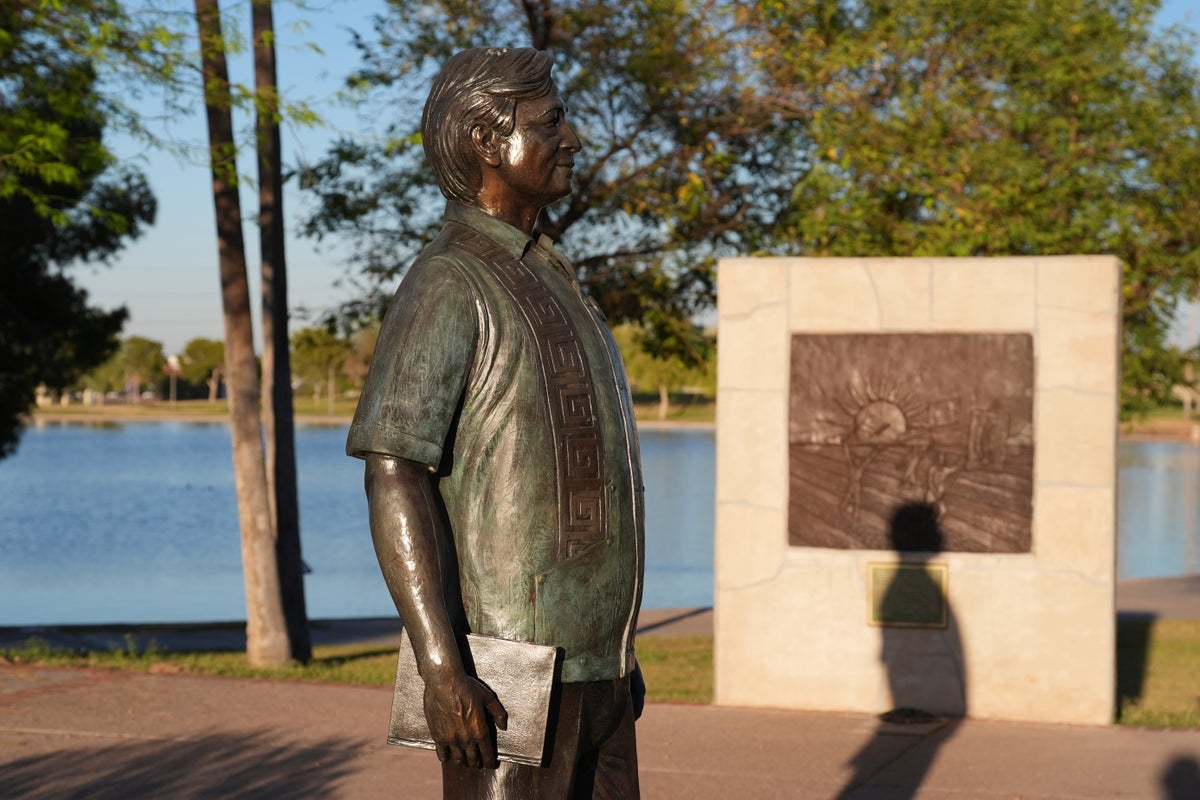
The image of Cesar Chavez as a saintly figure of the labor movement just hit a brick wall in California. For years, the state celebrated his birthday on March 31 as a public holiday, honoring the man who co-founded the United Farm Workers (UFW) and fought for the rights of the people who put food on our tables. That's changing now. Governor Gavin Newsom signed legislation to officially rename the holiday to "California Farmworker Day."
This isn't just a simple rebranding or a clerical update. It's a calculated response to a tidal wave of allegations that have painted a much darker picture of the labor icon. We're talking about claims of psychological abuse, cult-like tactics, and a "purge" of loyal staffers that happened decades ago but stayed buried under the weight of political necessity. Most people grew up learning about the hunger strikes and the grape boycotts. They didn't learn about "The Game."
The Shift From One Man to an Entire Movement
California is finally admitting that a movement is bigger than its mascot. By pivoting to California Farmworker Day, the state is trying to preserve the spirit of the labor struggle while distancing itself from the personal baggage of Chavez. It's a move that many former UFW insiders say is long overdue.
The reality of the UFW under Chavez in the late 1970s was often grim. While the public saw a humble organizer, those inside the headquarters at La Paz saw something different. Chavez became obsessed with a group called Synanon, a drug rehabilitation program that eventually turned into a violent cult. He brought their tactics into the union. He started practicing "The Game," a form of confrontational group therapy where people were forced to sit in a circle and endure hours of verbal abuse and humiliation from their peers.
If you weren't "loyal" enough, you were out. He pushed out brilliant legal minds and dedicated organizers who had built the union alongside him. This isn't speculation. It’s documented in multiple historical accounts and interviews with people who were there. They describe a climate of fear that crippled the union’s effectiveness right when it should have been at its peak.
Why the Abuse Allegations Surfaced Now
You might wonder why this is happening in 2026 and not twenty years ago. The truth is that the "cancel culture" lens eventually catches up to everyone, even the untouchable heroes of the left. For a long time, criticizing Chavez was seen as an attack on the Latino community or the labor movement itself. Politicians didn't want to touch it.
But the evidence became too loud to ignore. Miriam Pawel’s book The Crusades of Cesar Chavez blew the lid off the internal dysfunction years ago, and since then, more survivors of those "purges" have come forward. They spoke about the emotional trauma of being branded a traitor for simply disagreeing with a strategy.
The decision to rename the holiday reflects a broader trend in how we handle history. We're moving away from Great Man Theory—the idea that history is made by a few heroic individuals—and recognizing the collective. The farmworkers who marched, bled, and lost their livelihoods didn't do it for one man’s ego. They did it for a living wage and basic dignity. California Farmworker Day honors the anonymous thousands instead of the flawed figurehead.
What California Farmworker Day Actually Changes
If you're a state employee, don't worry about your day off. The holiday remains on the calendar for March 31. The logistics stay the same, but the educational focus in schools and public ceremonies will shift.
- Broadened Recognition: The focus moves to the contributions of all agricultural workers, including those from Filipino, Mexican, and Central American backgrounds who are often sidelined in the Chavez narrative.
- Historical Honesty: It allows for a more nuanced teaching of the labor movement. Teachers can now discuss the UFW's successes without having to gloss over the documented abuses of its leadership.
- Legacy Protection: By separating the holiday from the name, the state ensures that the push for labor rights isn't dismantled just because a leader’s reputation is tarnished.
Honestly, it’s a smart political play. It acknowledges the pain of those Chavez hurt while keeping the holiday's core purpose intact. It's about the work, not the worker.
The Complicated Legacy of the UFW
We can't talk about this holiday change without acknowledging that the UFW is a shadow of its former self. At its height, the union represented tens of thousands of workers. Today, that number is a fraction of what it used to be. Some critics argue that the decline started specifically because of the internal chaos and the "Game" tactics Chavez employed in the 70s.
When a leader spends more time purging his own staff than organizing fields, the movement suffers. The new name for the holiday is a silent acknowledgement of that failure. It’s an attempt to refocus on the current struggles of farmworkers—extreme heat, pesticide exposure, and housing shortages—rather than litigating the personality of a man who died in 1993.
Moving Past the Cult of Personality
If you really want to honor the people this holiday is meant for, stop looking for heroes to put on stamps and start looking at the legislative gaps. The name change is a nice gesture, but it doesn't fix the fact that farmworkers are still some of the most exploited people in the country.
The next time you see "California Farmworker Day" on your calendar, remember the people actually in the dirt. Don't just think about the marches in the 60s. Think about the people working in 105-degree heat today.
Support local organizations that provide direct aid to field workers. Look into the current bills sitting in Sacramento regarding heat safety standards. That’s how you actually celebrate this day. The name change is just the start of a much-needed reality check for California's history. It’s about time we stopped pretending our leaders are perfect and started focusing on the people they were supposed to serve.
Check your local community calendar for events on March 31 that focus on current labor rights. Read up on the Filipino organizers like Larry Itliong, who were arguably just as important as Chavez but never got the same PR machine. Expand your understanding of how food gets to your table. That's the real work.