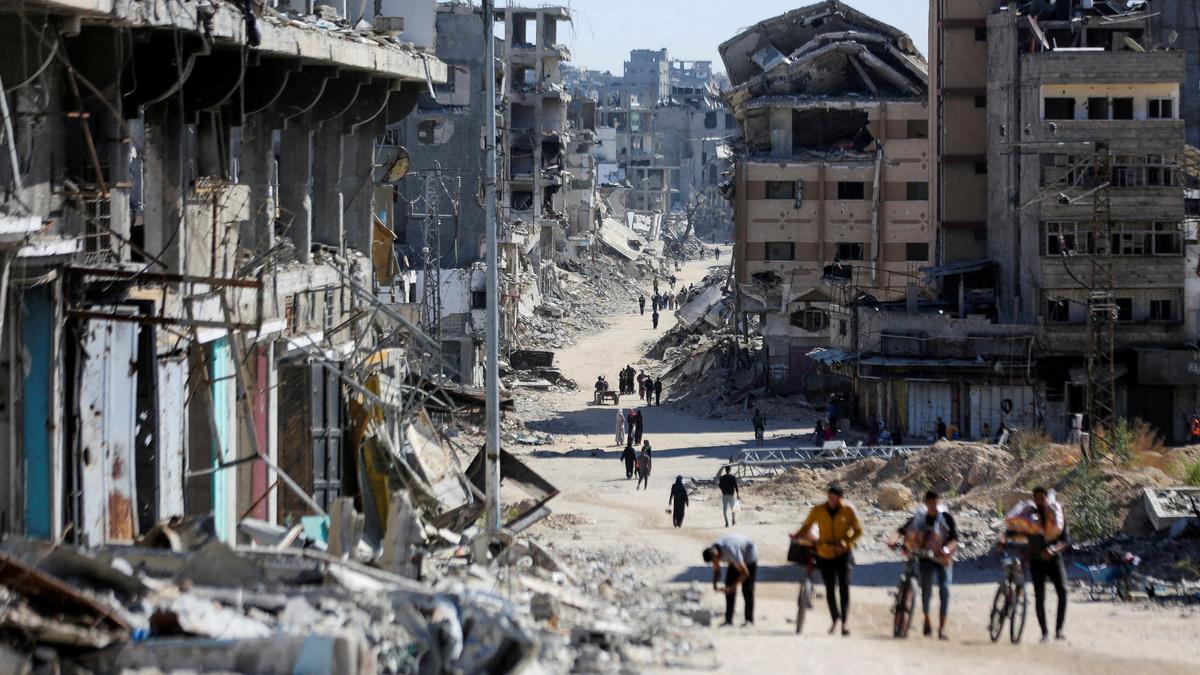
Nepal's political machine is grinding back to life, but don't expect the same old gears to turn without a screech. On March 5, 2026, millions of Nepalese voters will head to the polls for a general election that feels less like a routine democratic exercise and more like a high-stakes rescue mission. This is the first national vote since the "Gen Z Revolution" of September 2025—a brutal, student-led uprising that left over 70 people dead and forced the previous government to its knees.
The question isn't just who'll win. It's whether the winning side can actually keep the country from sliding back into the chaos that saw the parliament building and presidential residence scorched by arson just months ago.
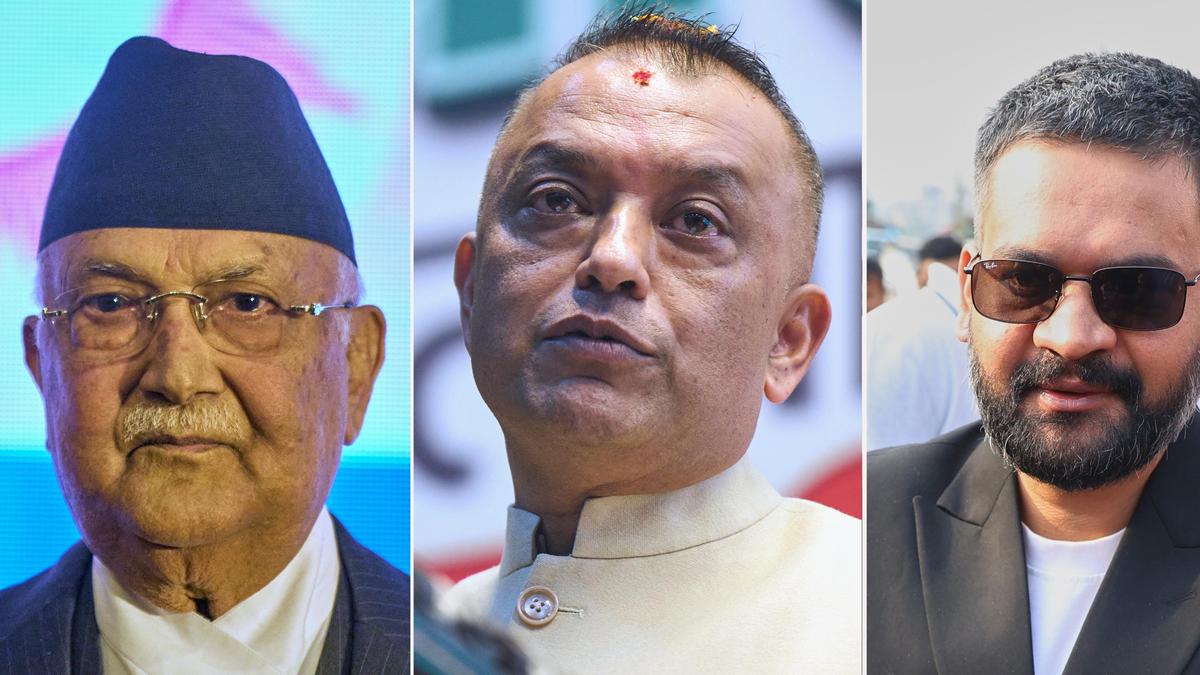
The Three Faces Fighting for the Top Job
If you think you've seen this movie before, you're only half right. The 2026 race is a collision between the old guard's stubborn survival instincts and a new wave of populist energy that's effectively hijacked the conversation. Three main contenders have emerged, and they couldn't be more different.
1. The Rapper-Mayor: Balendra Shah (Balen)
Balendra Shah, the former structural engineer and rapper who famously took Kathmandu by storm as mayor in 2022, is the wild card. He's now the prime ministerial face of the Rastriya Swatantra Party (RSP). Balen isn't just running on a platform; he's running on a vibe of "enough is enough." His strategy is bold—he's taking the fight directly to the veteran K.P. Sharma Oli's home turf in Jhapa-5. It's a David vs. Goliath move that has the youth base electrified.
2. The Liberal Reformer: Gagan Thapa
Over at the Nepali Congress, things have shifted. The party's old patriarch, Sher Bahadur Deuba, has finally stepped aside after decades in the spotlight. In his place stands Gagan Thapa, a charismatic leader who actually listens to the streets. Thapa's task is nearly impossible: he has to convince voters that the oldest party in Nepal can actually learn new tricks. He's leaning hard into pro-market policies and a tax system that doesn't feel like a shakedown for the middle class.
3. The Comeback Communist: K.P. Sharma Oli
Then there’s K.P. Sharma Oli. To some, he's the "nation-builder" who stood up to India during the 2015 blockade. To others, he's the man whose government’s heavy-handed response to the 2025 protests led to a body count that's hard to ignore. Oli hasn't changed his tune. He’s framing this election as a referendum between stability and "nation-destroyers." His CPN-UML party still has a massive grassroots machine, and you’d be a fool to count him out.
Why 2025 Changed Everything
You can't understand this election without looking at what happened in September 2025. It started with something as seemingly trivial as a social media ban. The government tried to clamp down on digital dissent, but they underestimated the powder keg they were sitting on.
Years of frustration over 20% youth unemployment, blatant corruption, and a revolving door of aging Prime Ministers—Nepal has had 16 in less than 20 years—finally exploded. The "Gen Z" protests weren't just about TikTok or Facebook; they were about a generation feeling completely locked out of their own country's future.
The result was a total collapse of the establishment. An interim government, led by former Chief Justice Sushila Karki, had to be brought in just to keep the lights on and prepare for this March vote. Karki has spent the last few months cleaning up the mess, setting up commissions to investigate the protest killings and trying to restore some semblance of faith in the system.
The Numbers That Actually Matter
Let’s get into the weeds of the mechanics. Nepal uses a mixed electoral system that almost guarantees a messy outcome.
- 165 Seats: Decided by First-Past-The-Post (FPTP) voting.
- 110 Seats: Allocated through proportional representation (PR).
- 138 Seats: The magic number needed for a majority.
Here's the kicker: almost no one expects a single party to hit 138. We're looking at a fractured verdict. This means the weeks following March 5 will likely be a frantic scramble of horse-trading and "resort politics" where smaller parties like the Rastriya Prajatantra Party (RPP) or the Janamat Party become kingmakers.
The Geopolitical Tug-of-War
Nepal doesn't exist in a vacuum. It's tucked between India and China, and both are watching this election like hawks.
- India traditionally favors the Nepali Congress. They want a stable, predictable partner who won't rock the boat on border issues or trade.
- China has historically found more common ground with the communist factions, particularly Oli’s CPN-UML. They've invested heavily in infrastructure and want to ensure Nepal doesn't lean too far into the "Indo-Pacific" sphere of influence.
Honestly, the "New Nepal" the protesters fought for doesn't care much about these Great Power games. They care about whether they can get a job in Kathmandu instead of flying to Dubai to work in construction.
What to Watch on Election Day
Keep an eye on the "Highly Sensitive" polling booths. The Election Commission has flagged nearly 4,600 of them. With 320,000 security personnel deployed, the government is terrified of a repeat of last year's violence.
If Balen Shah manages to unseat Oli in Jhapa, or if Gagan Thapa sweeps the urban centers, the old guard's era is officially over. But if the vote splits three ways and the same old faces start carving up ministries in a smoke-filled room, don't be surprised if the streets fill up again by April.
The 2026 election is a chance for Nepal to prove it can transition from a revolutionary state to a functioning one. If you're invested in South Asian stability, or just want to see if a rapper can actually run a country, March 5 is the date that counts.
The most practical thing you can do now is monitor the early exit polls coming out of Kathmandu and the Terai region. These will be the first indicators of whether the "youth wave" is a real sea change or just a temporary splash. Check the official Election Commission of Nepal website for real-time updates as the counts start coming in on the evening of the 5th.