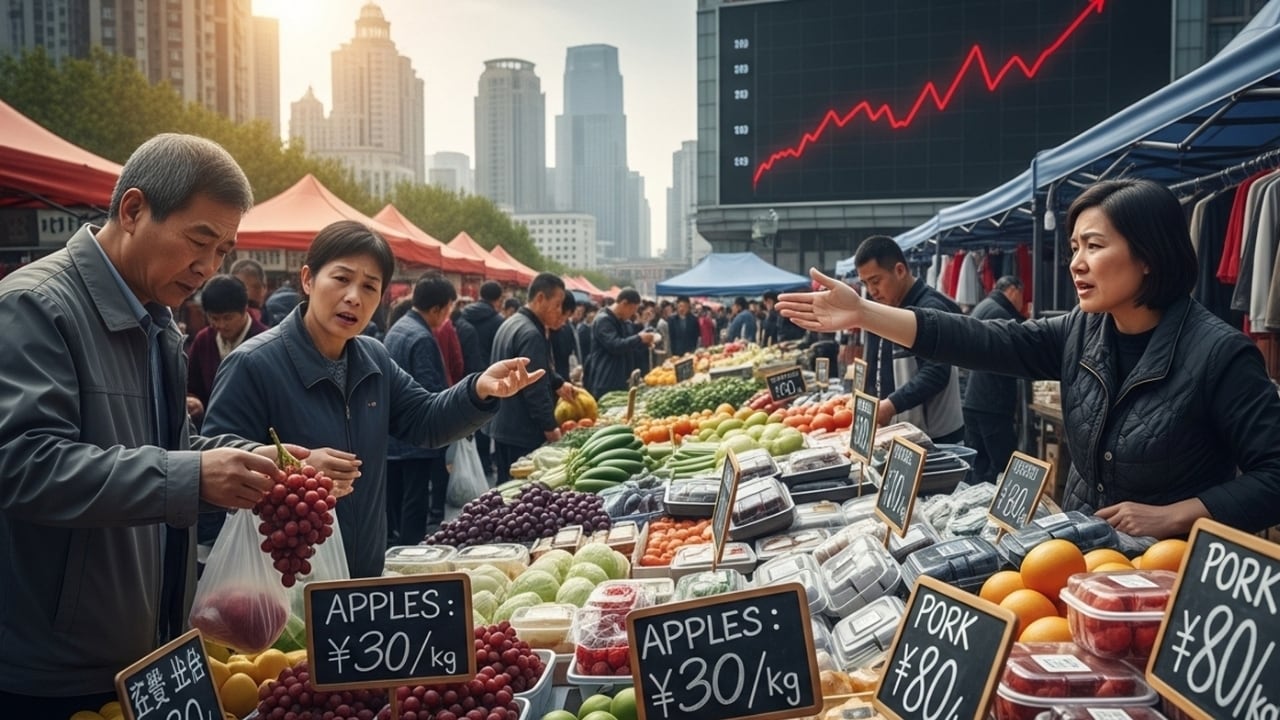
The steam rising from a bowl of zhajiangmian used to be a simple pleasure for Chen Wei. Every morning for a decade, he sat at the same chipped laminate table in a Beijing alleyway, exchanging a few crumpled yuan for a salty, comforting start to his workday. But lately, the steam feels heavier. It smells of logistics, of diesel, and of a conflict thousands of miles away that he will never see, yet pays for every time he picks up his chopsticks.
The price of that bowl just hit a three-year high.
Chen doesn't read the international energy tickers. He doesn't track the Brent Crude fluctuations or the geopolitical chess match currently unfolding in the Middle East. He doesn't have to. He feels the tension in his wallet. When the price of oil climbs, the world shrinks. Everything—the wheat for the noodles, the pork for the sauce, the gas that fires the wok—travels on the back of fossil fuels. When the supply chain catches a fever in the Persian Gulf, the fever breaks in the street markets of Shanghai and the industrial hubs of Shenzhen.
The Invisible Tax of Distance
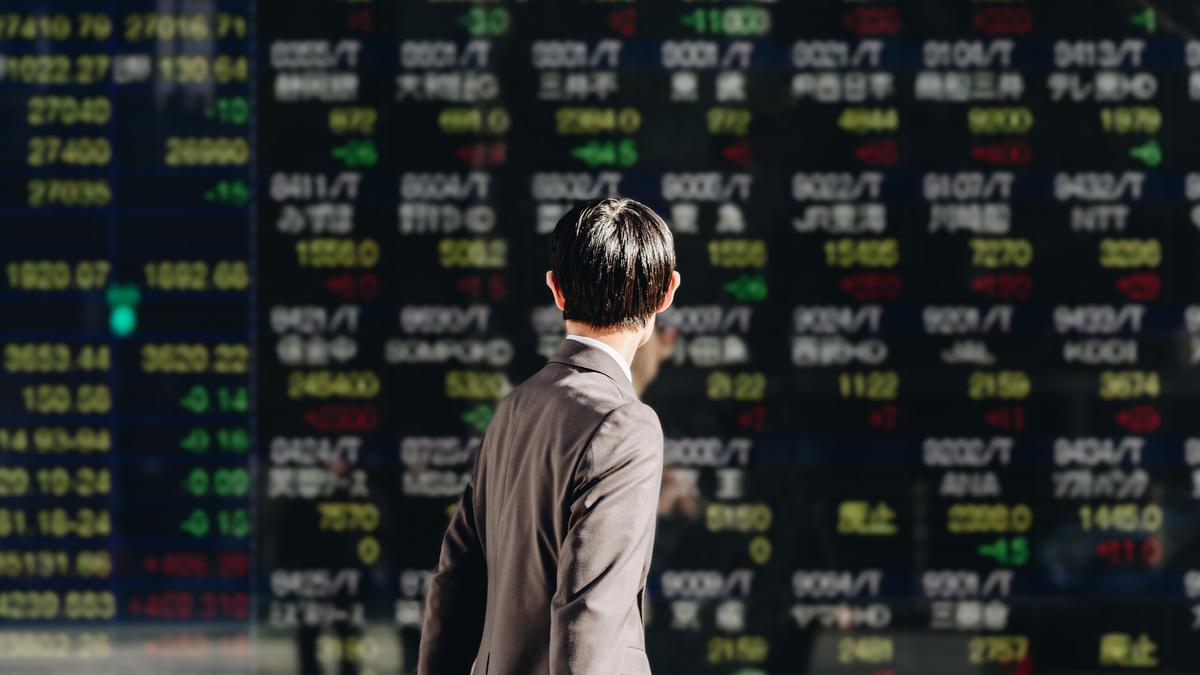
China’s consumer price index (CPI) is often treated by economists as a sterile graph, a jagged line moving across a white background. In reality, it is a measure of national anxiety. For the first time in thirty-six months, that line has spiked with a sharp, aggressive velocity.
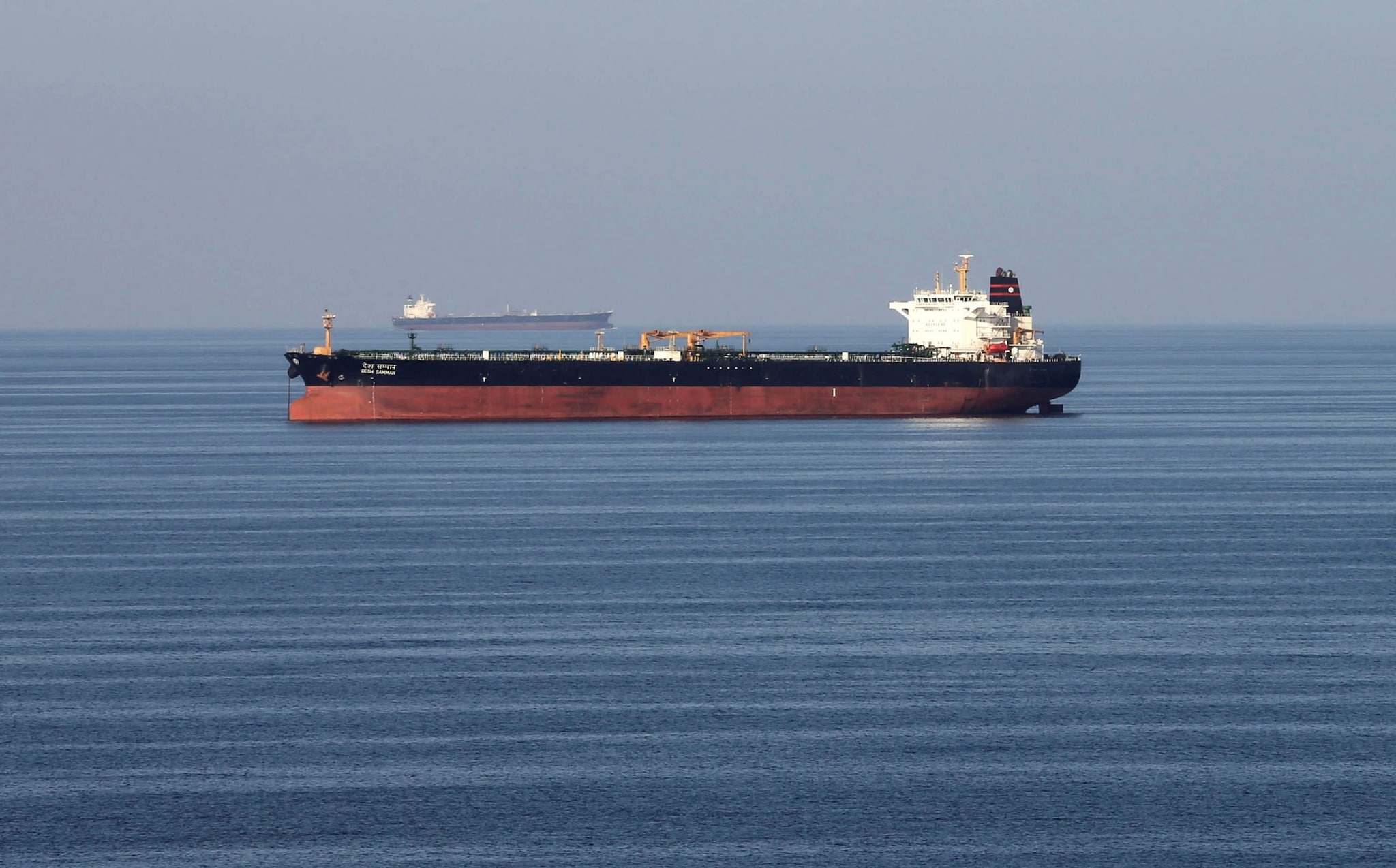
The primary culprit is a "cost-push" phenomenon. Imagine a hypothetical delivery driver named Zhang. Zhang operates a small fleet of trucks that move seasonal vegetables from the fertile plains of Shandong to the hungry urban centers. When the conflict between Iran and its neighbors escalates, the global maritime insurance for tankers skydives into chaos. Shipping lanes in the Strait of Hormuz become gauntlets. Oil prices don't just "rise"—they lurch.
Zhang pulls up to the pump and finds that filling his tank now costs fifteen percent more than it did last month. He cannot absorb that cost. He passes it to the wholesaler. The wholesaler passes it to the grocery manager. By the time a grandmother in Beijing picks up a head of bok choy, she is paying for a war she didn't start and a fuel surcharge she doesn't understand.
This is the hidden tax of globalization. We have built a world so interconnected that a missile launch in the desert acts as a direct withdrawal from a savings account in East Asia.
The Psychology of the Squeeze
Inflation is a thief, but it is also a ghost. It haunts the way people plan their lives. When prices remain stable, people dream. They plan vacations to Hainan; they consider upgrading their smartphones; they look at the housing market with a glimmer of ambition.
When the CPI surges to a three-year high, the dreaming stops.
The Chinese consumer is famously resilient, tempered by decades of rapid change, but there is a psychological threshold where "frugality" turns into "paralysis." We are seeing that shift now. It isn't just that things are more expensive; it's the uncertainty of how much more expensive they will be tomorrow. If oil stays at these levels because the conflict in Iran shows no sign of abating, the "transitory" nature of this inflation becomes a permanent fixture of the landscape.
Consider the ripple effect on the manufacturing sector. China is the world's factory, but factories run on electricity and raw materials. As energy costs soar, the margins for small and medium-sized enterprises—the backbone of the Chinese economy—thinned to the point of transparency. Many are faced with a brutal binary: raise prices and risk losing global customers to cheaper markets, or keep prices steady and bleed out.
Why This Time is Different
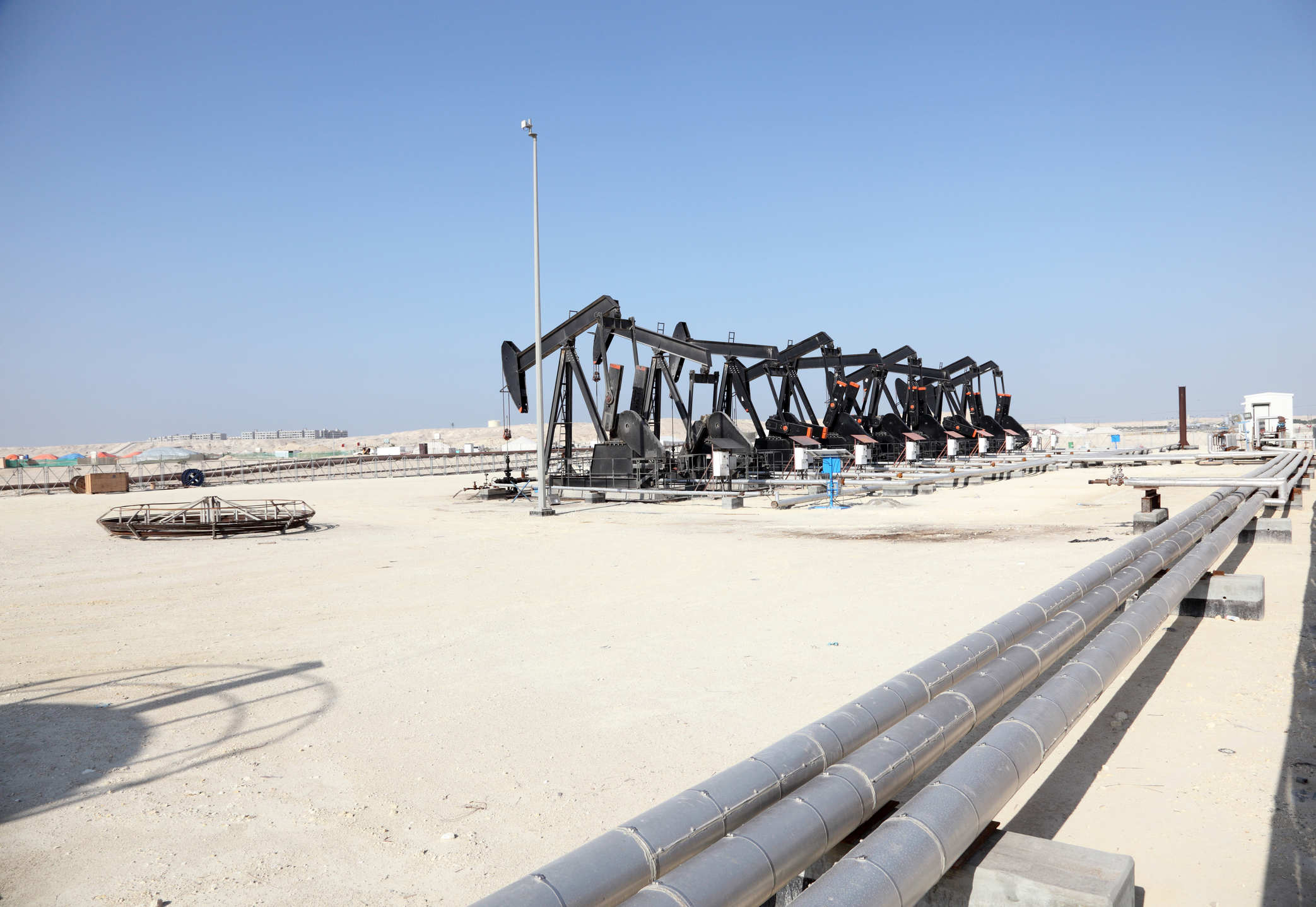
In previous cycles, the Chinese government could lean on domestic levers to cool the economy or stimulate growth. They could adjust interest rates or pour money into infrastructure. But this current surge is driven by external volatility. You cannot legislate away the price of a barrel of oil when the source of that oil is a geopolitical tinderbox.
There is a specific irony here. China has invested more in green energy and electric vehicles than any other nation on earth. The "New Three" industries—EVs, lithium batteries, and solar cells—were supposed to be the Great Wall against energy dependence. And they are working. But the transition isn't fast enough. The legacy of the internal combustion engine still dictates the price of a cabbage.
We are living in the "in-between." We have enough green tech to see the future, but enough oil dependence to be strangled by the past.
The Kitchen Table Reality
To understand the stakes, you have to look past the GDP figures and into the refrigerators of middle-class families. There is a specific kind of math happening at kitchen tables across the country. It’s a math of subtractions.
"We stopped buying imported fruit," says a young professional in Chengdu. "We stopped taking the car out on weekends. It’s not that we are poor, it’s that we are waiting. We are waiting to see where the ceiling is."
That waiting is the greatest threat to a modern economy. When a billion people decide to wait, the gears of commerce grind to a halt. This is the "internal circulation" that policymakers worry about. If the domestic consumer is too spooked by the gas pump and the grocery bill to spend, the engine stalls.
The link between the Iran war and the Chinese breakfast table is a reminder of our collective vulnerability. We like to think of nations as islands, protected by borders and sovereign policies. But the air we breathe and the prices we pay are governed by a global circulatory system. When there is a blockage in the Middle East, the extremities go cold.
The Fragility of the Recovery
For the last year, the narrative around the Chinese economy was one of "reopening" and "recovery." It was a story of a giant waking up after a long, pandemic-induced sleep. But this inflation spike acts as a bucket of cold water.
It forces a confrontation with a hard truth: the recovery is fragile because it is fueled by a resource that China does not fully control. The "surging" inflation isn't just a number; it is a signal that the era of cheap, predictable logistics is over, at least for the duration of this conflict.
The stakes are not merely financial. They are social. In any society, a sudden, sharp increase in the cost of living creates friction. It tests the social contract. If the "common prosperity" goal is to be met, the government must find a way to shield the most vulnerable from the volatility of a global oil market that seems increasingly untethered from logic.
The Shadow on the Wall
As the sun sets over the Beijing skyline, the neon lights of the shopping districts flicker to life. To a casual observer, everything looks the same. The crowds are still there. The subways are still packed.
But look closer at the bags people are carrying. They are smaller. Look at the menus in the restaurant windows; the stickers covering the old prices are peeling at the edges, revealing a history of incremental hikes.
Chen Wei finishes his noodles. He pays his bill—now twelve yuan instead of the ten it was just a few months ago. It seems like a small thing. Two yuan. A pittance. But multiply that by three meals a day, by thirty days a month, by hundreds of millions of people.
The result is a mountain of missed opportunities, of unspent wealth, and of a quiet, simmering anxiety that no government policy can easily extinguish.
The war in the Middle East is fought with drones and rhetoric, but its casualties are found in the quiet moments of a morning meal. Every time the oil price ticks up, the world gets a little bit smaller, and the steam from a bowl of noodles gets a little bit thinner. We are all tethered to the same line, waiting to see if it will slacken or snap.
The chopsticks click against the bottom of the bowl, a small, sharp sound in the vast silence of an uncertain economy.