The mainstream media loves a "fall from grace" narrative. Right now, the favorite target is the French influencer colony in Dubai. Journalists are scrambling to paint a picture of panicked reality TV stars packing their bags as Iranian missiles streak across the Middle East. They want you to believe the "Dubai Dream" is dead, replaced by a cold realization that tax havens aren't worth the risk of a regional war.
They are dead wrong. Don't forget to check out our previous coverage on this related article.
What the "consensus" misses is the sheer resilience of the arbitrage model. These influencers aren't fleeing; they are diversifying. The idea that a few geopolitical tremors would send people back to a 45% tax bracket in France is a fantasy fueled by schadenfreude. If you think a stray drone is scarier to a multimillionaire content creator than the French tax authorities (Bercy), you don't understand the business of influence.
The Geopolitical Risk is a Feature Not a Bug
The critics argue that the proximity to conflict makes Dubai "unstable." This is a shallow reading of how modern power works. In reality, the UAE has spent decades perfecting the art of being the "Neutral Swiss" of the desert. While the Western press fixates on the "frappes iraniennes," the smart money is watching the defense systems and the diplomatic backchannels. If you want more about the history of this, Reuters Business offers an informative summary.
Dubai isn't a fragile glass house. It’s a fortress of capital.
For an influencer, "instability" elsewhere in the region actually drives more wealth into their immediate vicinity. When the surrounding area gets hot, Dubai becomes the only safe vault for the entire region's liquid assets. This creates a hyper-concentrated economy of luxury services, events, and brand deals. The influencers aren't "trapped" under fire; they are sitting in the eye of a financial hurricane, protected by some of the most sophisticated missile defense umbrellas on earth.
Why "Going Back to France" is a Financial Suicide Note
Let's dismantle the idea that these creators will return to Europe for "safety."
In business, we talk about Risk-Adjusted Return.
- In France: You face a 0% chance of missile fire, but a 100% chance of losing half your income to the state, plus the "Influencer Law" (Loi Influenceurs) which treats every post like a medical trial disclosure.
- In Dubai: You face a 0.01% chance of a regional escalation affecting your daily life, but a 100% chance of keeping your entire paycheck and operating in a pro-business environment.
I’ve sat in boardrooms with talent managers who oversee eight-figure portfolios. Not one of them is discussing a permanent move back to Paris. They are discussing Cyprus. They are discussing Mauritius. They are discussing Bali.
The "exodus" isn't a retreat; it’s a migration to the next node in the global tax-efficient network. The competitor's narrative suggests these people are scared children. In reality, they are sophisticated tax residents who view geography as a commodity.
The Math of Staying Put
Let's look at the numbers. If a top-tier influencer generates $2,000,000 in annual revenue from brand deals, dropshipping, and appearances:
| Expense Category | Dubai (USD) | France (USD) |
|---|---|---|
| Gross Income | $2,000,000 | $2,000,000 |
| Income Tax | $0 | ~$900,000 |
| Social Charges | $0 | ~$150,000 |
| Corporate Tax | 9% (over $100k) | 25% |
| Net Take Home | **~$1,820,000** | ~$800,000 |
Even if you factor in the "war risk" insurance or the cost of a private jet standby, staying in the UAE is the only logical move. You don't walk away from a million-dollar-a-year premium because of a headline in Le Monde.
The "Scared Influencer" is a Marketing Tactic
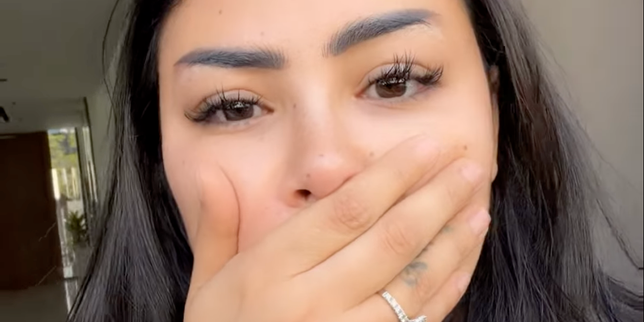
You’ve seen the videos. An influencer posts a story with a worried face, talking about the "scary sounds" or the "uncertainty." The media eats it up.
This is engagement bait.
Conflict is high-octane content. It drives views. It drives DM check-ins. It makes the influencer's life look like a high-stakes thriller rather than a repetitive cycle of filming vitamin gummies in a gold-plated living room. The "fear" is being sold to you.
Behind the scenes, the lifestyle remains unchanged. The malls are full. The restaurants are booked. The real estate market in Dubai is still breaking records. If the people with the most to lose—the billionaire developers and sovereign wealth funds—aren't blinking, why should a guy with a ring light and a TikTok account?
Dismantling the "End of the Era" Premise
The competitor article suggests we are seeing the end of the "Dubai Era." This is a fundamental misunderstanding of the city's lifecycle.
- Phase 1: The Wild West. Early adopters (the 2018-2020 wave) arrived for the tax breaks and the novelty.
- Phase 2: The Saturation. Every reality TV star moved there, creating a "Little France" in the desert.
- Phase 3: The Institutionalization. This is where we are now. The "losers" are leaving because they couldn't cut it or their engagement dropped. The "winners" are setting up family offices, buying permanent villas, and getting Golden Visas.
The people leaving now aren't fleeing missiles; they are fleeing irrelevance. Their reach is dying, their "get rich quick" schemes are being regulated, and they can no longer afford the $15,000-a-month rent in Downtown or the Palm.
The media confuses "failure to scale" with "fear of war." It’s a convenient excuse for a creator whose career is tanking to say, "I'm leaving for my safety," rather than "I'm broke and my followers hate me."
The New Playbook: Geopolitical Arbitrage
If you want to actually win in this climate, you don't run away. You lean into the role of the global citizen.
The most successful creators I know are doing three things right now:
- Securing Secondary Residencies: They use Dubai as their primary hub but maintain "bolt holes" in places like Thailand or Montenegro.
- Asset Tokenization: They are moving their wealth into decentralized assets that aren't tied to the physical safety of a single city.
- Content Pivoting: They are moving away from the "look at my fake life" content to "how I manage my business in a complex world" content.
Stop Asking if Dubai is Safe
The question "Is Dubai safe?" is the wrong question. In a world of global inflation, aggressive tax hikes, and the slow death of the European middle class, the real question is: "Is your capital safe in France?"
The answer is a resounding no.
The French influencers in Dubai are part of a broader trend of "Sovereign Individuals." They have realized that loyalty to a nation-state that views them as an ATM is a bad investment. They are choosing a city that views them as a client.
As long as the UAE continues to offer a superior service-to-tax ratio, the influencer colony will remain. The missiles will be intercepted by Iron Dome-style tech, the headlines will fade, and the Ferraris will continue to roar down Sheikh Zayed Road.
The "crisis" is a mirage. The money is very real.
Go find a new narrative. This one is dead on arrival.
Stop waiting for the collapse and start figuring out how to protect your own margins with half the courage these "fleeing" influencers actually have.