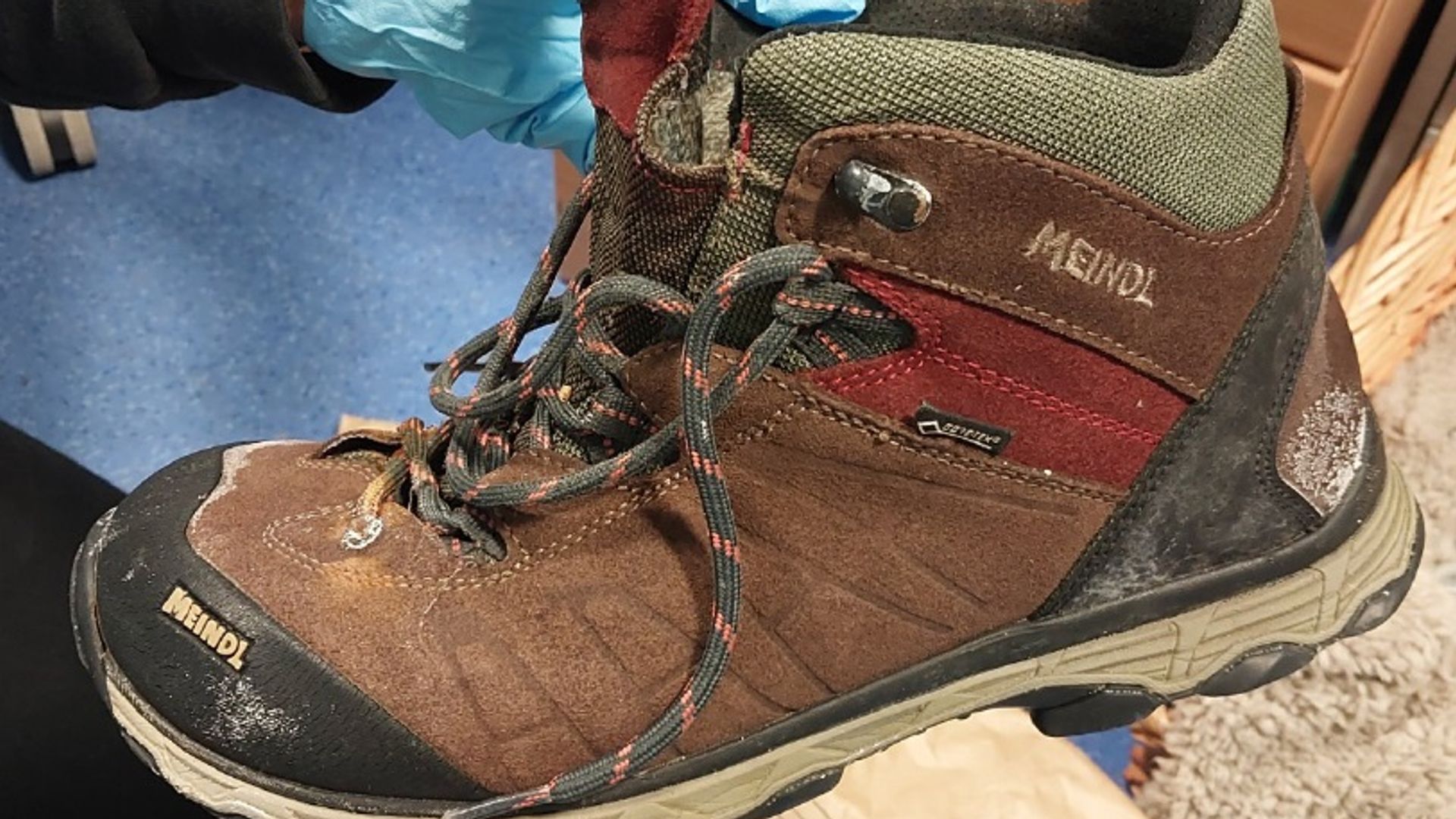
The identification of an unclaimed decedent rests on the successful intersection of biological data and anthropogenic signatures. When biological markers—DNA, dental records, and fingerprints—fail to produce a match against existing databases, the investigative focus must shift to the technographic analysis of personal effects. In the current investigation regarding a woman’s body discovered in a remote or unidentified location, the release of a "rare" boot image is not merely a public appeal for information; it is a targeted deployment of a narrow-funnel identification strategy. This methodology relies on the scarcity of consumer goods to bypass the noise of high-volume manufacturing, turning a mass-produced item into a high-probability forensic lead.
The Architecture of Consumer Tracing
The forensic utility of any object found at a crime scene is inversely proportional to its market penetration. Standardized, high-volume apparel creates a "data swamp" where the sheer number of units sold prevents meaningful localization. Conversely, a "rare" item—defined here by limited production runs, niche regional distribution, or specific vintage windows—functions as a geographic and chronological anchor.
To quantify the value of the boot in question, investigators analyze three distinct data layers:
- Manufacturing Origin and Batch Constraints: Every consumer product possesses a "birth certificate" in the form of a SKU (Stock Keeping Unit) or batch code. By identifying the specific factory and production date, law enforcement can define the earliest possible "point of origin" for the item. If the boot was part of a limited release of 500 units, the pool of potential owners shrinks from millions to a manageable subset.
- Supply Chain Granularity: The path from factory to consumer is rarely direct. Large-scale retailers utilize regional distribution centers. By mapping which specific storefronts or online fulfillment centers received the "rare" model, investigators can plot a heat map of the victim’s likely geographic movements or place of residence.
- Wear Patterns and Post-Market Modification: The physical state of the boot provides a "use-profile." Asymmetrical sole wear indicates specific gait patterns or orthopedic conditions. The presence of specific soil compositions or chemical residues embedded in the tread can link the footwear to specific industrial or natural environments, creating a secondary investigative vector that complements the brand's rarity.
Failure Points in Biological Databases
The reliance on a physical artifact like a boot highlights a systemic vulnerability in modern forensics: the dependency on prior documentation. Forensic DNA profiling is only as effective as the database it queries. If the decedent was never arrested, never served in the military, and never participated in commercial ancestral testing, their biological profile remains "dark."
Fingerprint identification suffers from similar bottlenecks. While the Integrated Automated Fingerprint Identification System (IAFIS) contains over 70 million subjects, it is heavily skewed toward individuals with criminal histories. When a victim exists outside these institutional systems, the "human metadata"—the clothes they wore, the brands they preferred, and the objects they carried—becomes the primary interface for identification. This shift from biological to material evidence represents a move from internal data (DNA) to external behavior (consumption).
The Mechanics of Public-Sourced Intelligence
The decision to release a high-definition image of a specific boot model is a calculated move to trigger "pattern recognition" within a specific demographic. This is not a general appeal; it is a targeted query of the "extended social graph."
The efficacy of this strategy depends on three variables:
- Visual Distinctiveness: The "rare" designation implies unique aesthetic features—stitching patterns, hardware, or colorways—that are easily recalled by acquaintances, retail employees, or enthusiasts.
- Temporal Relevance: The shorter the duration between the item's purchase and the discovery of the body, the higher the likelihood that the transaction or the sight of the item remains in a witness's active memory.
- Digital Velocity: In a digital information environment, the image of a rare item can be cross-referenced against social media images and e-commerce transaction histories. Search algorithms and "visual search" tools allow the public to assist in the identification process with a level of precision that was historically impossible.
Socio-Economic Proxies in Apparel Analysis
Clothing is a reliable proxy for socio-economic status and lifestyle. The specific boot model allows investigators to build a "latent profile" of the decedent. A high-end, specialized hiking boot suggests a different lifestyle and resource access than a niche fashion boot or a specific type of industrial workwear.
This profiling informs the search for missing persons reports. If the boot is an expensive, niche outdoor brand, investigators will prioritize cross-referencing reports of missing hikers or travelers. If the footwear is linked to a specific subculture or professional industry, the search parameters are narrowed accordingly. The "rarity" of the item acts as a filter, removing the "statistical noise" of the general population and focusing resources on high-probability demographics.
The Bottleneck of Identification Latency
The primary threat to a successful identification is the "latency period"—the time elapsed between the death and the discovery of the body. Biological degradation can obscure physical features, making the durability of the boot even more critical. Leather and synthetic polymers often outlast soft tissue, preserving the most viable lead long after traditional visual identification becomes impossible.
However, the longer the latency period, the more "stale" the consumer data becomes. Retailers purge transaction logs; employees move on; the specific model is discontinued and forgotten. The release of the image is a race against the erosion of the "digital and social trail" left by the decedent’s last purchase.
Strategic Vectorization of the Investigation
The investigation must now pivot from broad public appeals to a targeted data-mining operation centered on the boot’s lifecycle. The following steps represent the optimal path for converting a physical artifact into a named identity:
- Subpoena Point-of-Sale Data: Identify the top five retailers by volume for this specific "rare" boot. Use forensic accounting to isolate transactions involving this SKU, particularly those involving cash or non-indexed payment methods.
- Micro-Community Engagement: If the boot belongs to a niche hobby (e.g., specialized mountaineering or a specific fashion subculture), investigators should engage directly with those digital forums and communities. These groups possess a "high-resolution" memory for rare equipment that far exceeds the general public's.
- Isotopic Analysis Comparison: Compare the wear and chemical signatures on the boot with the isotopic data from the decedent’s hair and bone samples. If the isotopes suggest the individual lived in the Pacific Northwest, but the boot was only sold in limited boutiques in London, the investigation gains a clear "travel arc" that can be used to scan flight manifests or hotel registries.
The "rare boot" is not just a piece of clothing; it is a high-density data packet. The success of this identification depends on the ability of law enforcement to decode that packet and map it against the sprawling, fragmented databases of global commerce. Failure to do so leaves the victim as a "Jane Doe," a biological entity stripped of its social and historical context.


.jpg?width=1200&auto=webp&crop=3%3A2)