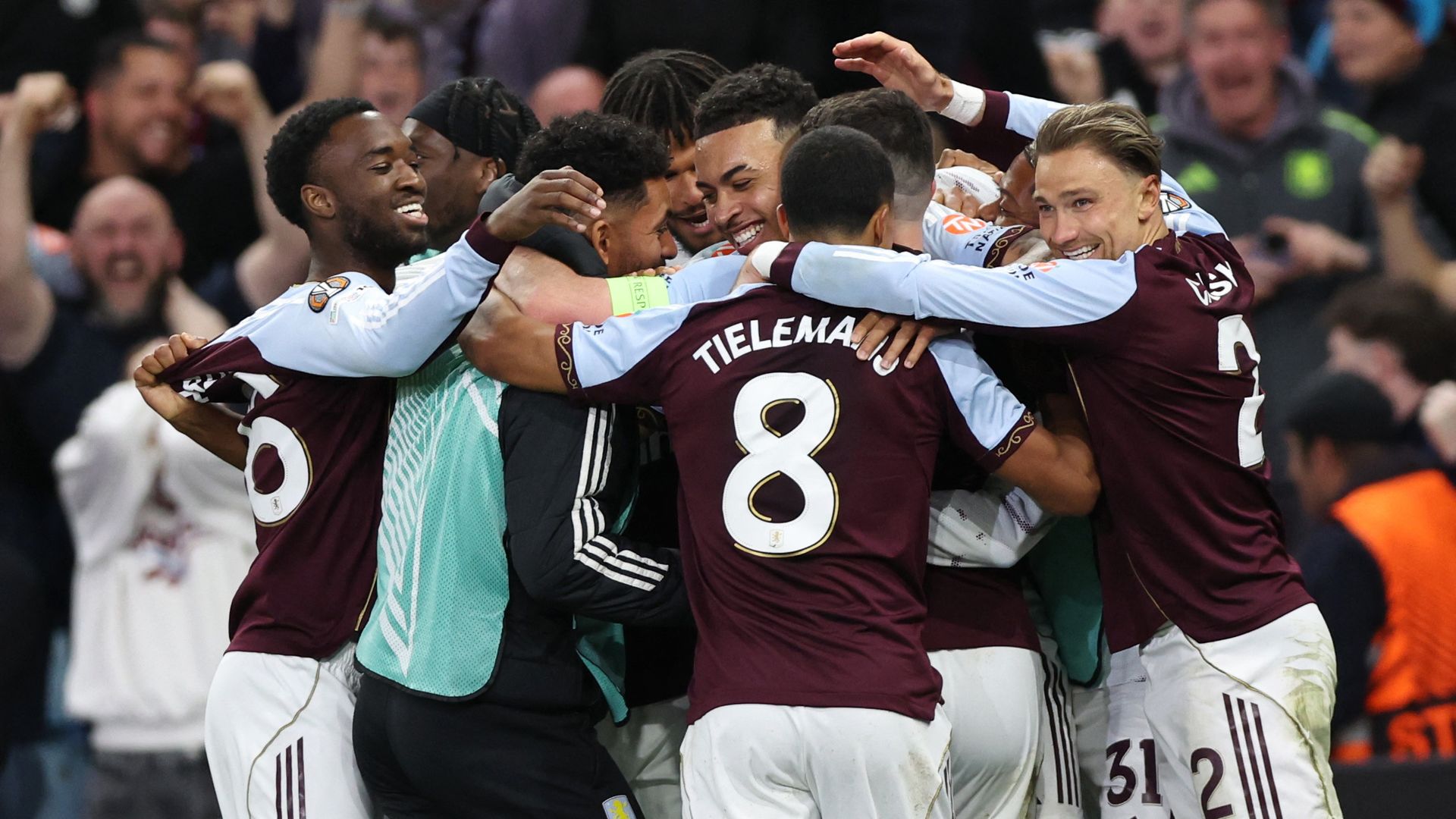
The departure of Oliver Glasner from Crystal Palace functions as a rare case study in successful organizational decoupling. Most managerial exits in the Premier League are reactive responses to performance deficits or internal friction; Glasner’s exit is a managed transition where the asset value of the squad and the strategic identity of the club have been maximized prior to the handover. The "perfect finale" narrative is not a sentimental byproduct of a final match, but the culmination of a high-intensity tactical system reaching its peak utility before the inevitable decay of a high-pressing model under fiscal constraints.
The Tactical Asymptote and the High-Press Half-Life
Glasner’s tenure at Crystal Palace transformed the club from a low-block, transition-based outfit into a high-intensity, vertical pressing system. This shift moved Palace from the bottom quartile to the top decile in several key defensive metrics, specifically Passes Per Defensive Action (PPDA) and High Turnovers. However, every high-intensity tactical system faces a "Tactical Asymptote"—a point where the physical output required to sustain the system exceeds the squad's recovery capacity and the club's depth.
The logic of Glasner’s departure is rooted in the realization that Palace reached this peak efficiency during the final stretch of the season. To maintain this level of performance in the subsequent campaign would require significant capital expenditure to refresh a squad that has been pushed to its physiological limits. By exiting at the peak, Glasner preserves his market value as a "turnaround specialist," while the club avoids the standard second-season regression often seen in high-press systems where the surprise element is lost and fatigue sets in.
The Asset Appreciation Framework
The primary function of a mid-tier Premier League manager is the appreciation of player assets. Glasner’s methodology provided a structured environment that inflated the market valuation of several key individuals. This can be deconstructed into three specific value-add categories:
- Positional Reclassification: Moving versatile players into high-impact roles (e.g., the aggressive utilization of wing-backs in a 3-4-2-1) creates scarcity value.
- Statistical Outperformance: Glasner’s system prioritized high-shot-quality opportunities (low volume, high xG), which padded the efficiency stats of the forward line.
- Systemic Integration: By making players look like essential components of a high-functioning machine, Palace increased the "perceived floor" of those players for potential buyers.
The "perfect finale" serves as a final marketing showcase for these assets. Selling players at the top of a Glasner-influenced cycle allows the club to reinvest in a squad profile that may be more sustainable for a long-term project under a different profile of coach. The risk, however, is "System Dependency." If the value of the players is inextricably linked to Glasner’s specific 3-4-2-1 pressing triggers, their value might depreciate the moment a new tactical framework is introduced.
The Cost-Benefit of the Long Goodbye
The decision to announce or signal a departure well in advance of the season's end—the "long goodbye"—is often viewed through a lens of transparency. In reality, it is a risk mitigation strategy. It removes the uncertainty that typically paralyzes a recruitment department in the summer transfer window.
- Recruitment Lead Time: The scouting department is no longer searching for "Glasner players," but can pivot to a broader profile suited for the club's long-term identity.
- Squad Emotional Management: Knowing the end date prevents the gradual erosion of authority that occurs when a manager is "on the hot seat."
- Fan Engagement Stability: By framing the exit as a mutual, high-note conclusion, the board avoids the toxicity that usually accompanies managerial changes, protecting the brand's commercial stability.
The limitation of this strategy is the "Lame Duck Effect." Once a departure is formalized, the manager's ability to demand extreme physical output—the very foundation of Glasner’s success—is compromised. Players subconsciously shift toward self-preservation, particularly those with upcoming international tournaments or potential transfers. The fact that Palace maintained performance levels suggests a high degree of professional buy-in or, more likely, a squad incentivized by their own individual marketability.
Structural Projections for the Palace Model
The vacancy created by Glasner leaves Crystal Palace at a strategic crossroads. They have transitioned from the "Safety First" era of Roy Hodgson to the "High-Performance" era of Glasner. The next iteration must solve the problem of systemic sustainability.
The bottleneck for the next manager will be the aging profile of the defensive core contrasted with the high-value, high-energy requirements of the modern game. If the successor attempts to replicate Glasner’s intensity without the same tactical rigor, the squad will likely suffer a spike in soft-tissue injuries and a regression in defensive solidity.
The club must now choose between two paths:
- The Continuity Path: Hiring a stylistic clone of Glasner (likely from the Red Bull system or Bundesliga) to maintain the current tactical muscle memory.
- The Diversification Path: Using the capital generated from summer sales to transition to a more possession-based, lower-variance model that reduces the physical toll on the squad.
The "perfect" nature of this finale is ultimately a mathematical fluke where peak fitness, high player motivation, and a favorable run of fixtures aligned. Relying on this as a baseline for future expectations is a fundamental error in sports analytics. The true success of the Glasner era is not the points total, but the fact that he leaves the club with a higher "Resale Value" than he found it.
Crystal Palace must now execute a "Hard Pivot" in recruitment. The data suggests that the current squad's output is unsustainable over a 38-game calendar without a 30% increase in rotational depth. The strategic move is to liquidate high-value assets immediately while their "Glasner Premium" is at its zenith and rebuild the middle of the roster with players who possess higher technical floors rather than just high physical ceilings. This shifts the club's reliance from a specific coaching "guru" to a more resilient, squad-based competitive advantage.