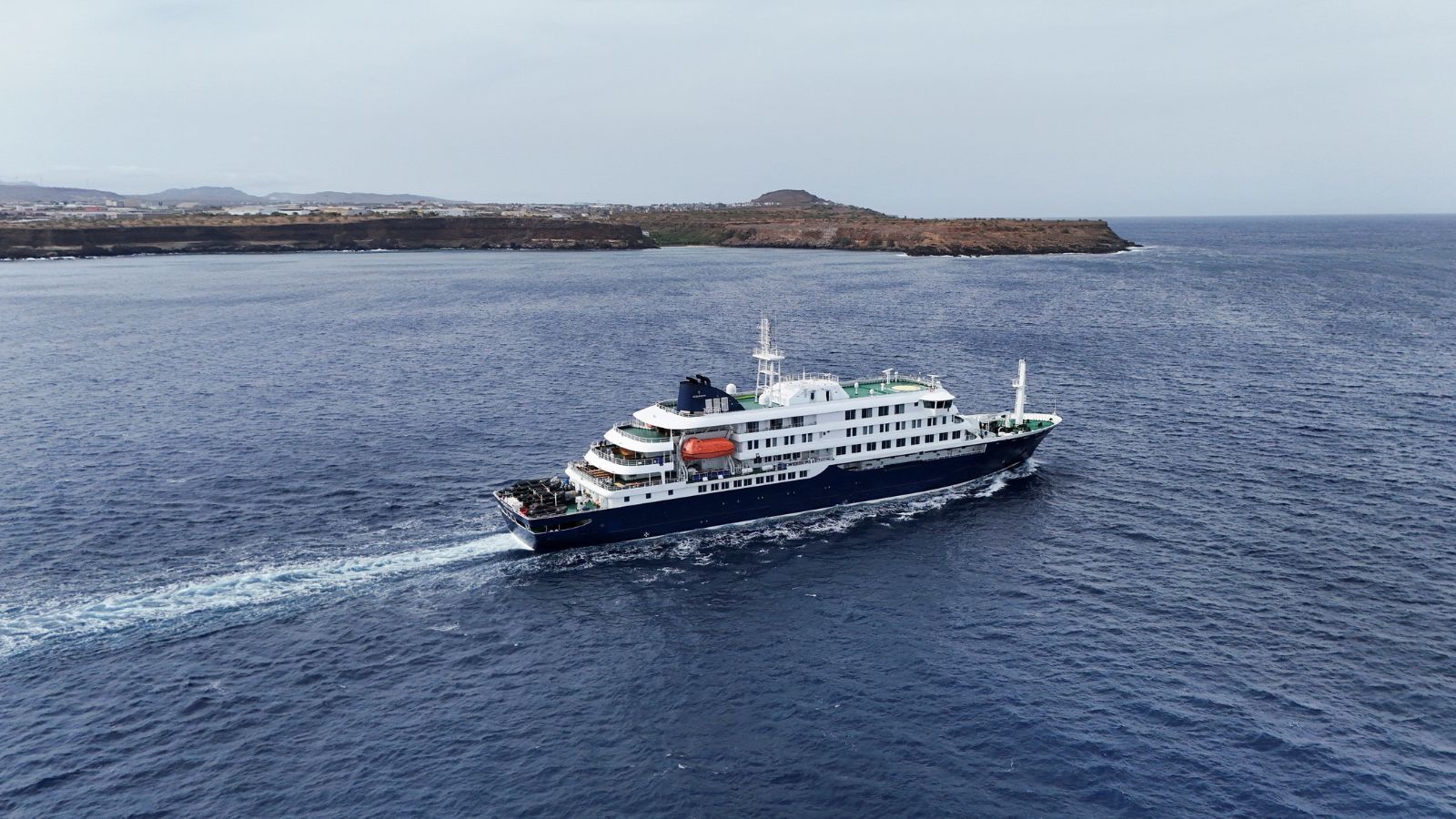
The arrival of a cruise ship carrying a suspected outbreak of hantavirus at the port of Santa Cruz de Tenerife has triggered a geopolitical and public health standoff that the World Health Organization (WHO) is struggling to contain. While official statements from Geneva aim to project a sense of calm, the reality on the ground in the Canary Islands is one of mounting friction between local economic interests and global health protocols. This is not merely a localized medical incident. It is a stress test for international maritime laws and the fragile trust between international health bodies and the populations they are tasked to protect.
The situation began when several crew members and passengers on a large-scale commercial vessel began showing symptoms consistent with hemorrhagic fever. By the time the ship approached the Atlantic archipelago, the diagnosis had been narrowed to a strain of hantavirus, a pathogen typically associated with rodent droppings rather than luxury cabins. The WHO Director-General has moved quickly to assure Tenerife residents that the risk of community transmission is negligible, but these assurances often ignore the logistical nightmare of offloading infected patients into a high-density tourist hub.
A Pathogen Out of Place
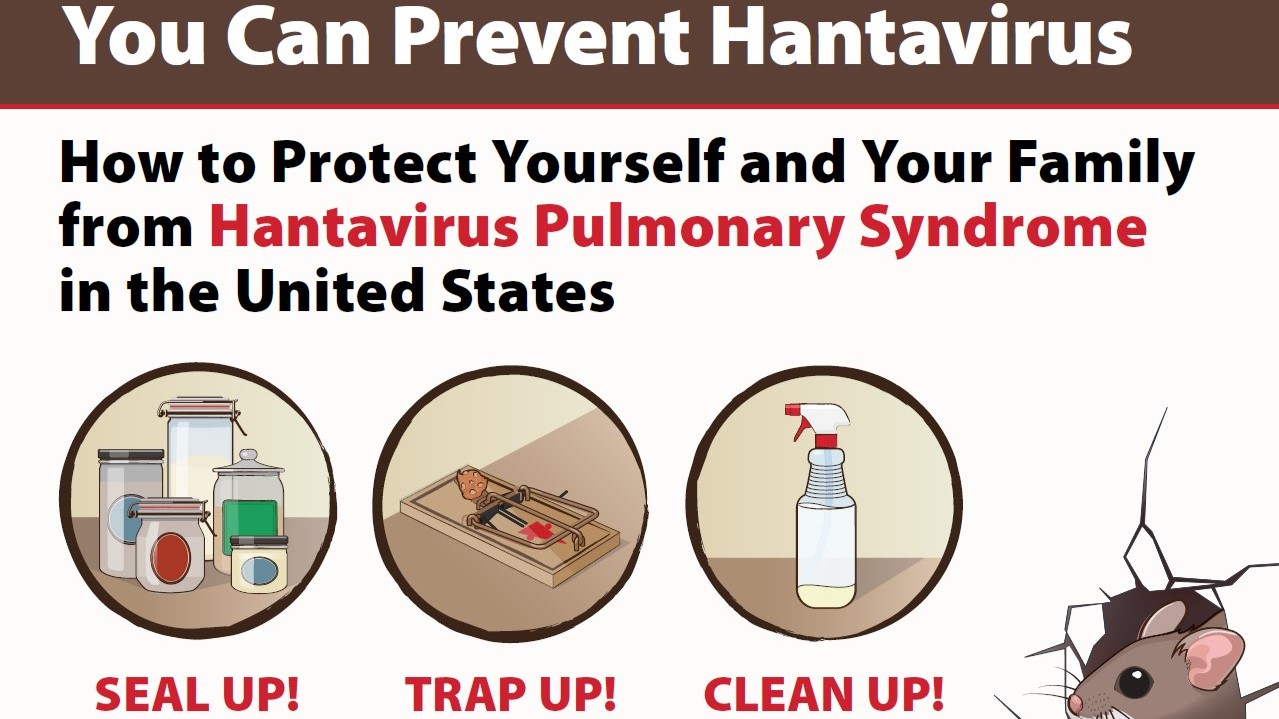
Hantavirus is generally a terrestrial threat. In the Americas, it causes Hantavirus Pulmonary Syndrome (HPS), a severe respiratory disease with a high mortality rate. In Europe and Asia, it more commonly manifests as Hemorrhagic Fever with Renal Syndrome (HFRS). What makes this specific maritime case so jarring is the mode of transmission. Unlike the common cold or the flu, hantaviruses are not typically transmitted from person to person. They are zoonotic, jumping from rodents to humans through the inhalation of aerosolized urine or feces.
The immediate question for investigators is how an outbreak occurred on a modern cruise liner. Modern ships are supposed to be fortresses of hygiene, but the supply chains that feed thousands of passengers daily provide ample opportunity for stowaway pests. If the vessel took on supplies in a region with an active rodent population, the refrigerated holds could have become the primary vector. This shifts the blame from "unfortunate luck" to a potential failure in the ship's integrated pest management systems.
Local health officials in Tenerife are right to be skeptical of broad reassurances. While it is true that person-to-person spread is extremely rare—documented only in the Andes virus strain in South America—the fear in a tourism-dependent economy is not just about the virus itself. It is about the optics. The sight of hazmat teams on the pier in Santa Cruz sends a message that can paralyze a local economy faster than any microbe.
The Economic Shadow Over Public Health
The Canary Islands rely on a steady stream of cruise traffic to keep the lights on. For the local government, refusing the ship entry would have been a diplomatic disaster; accepting it without a bulletproof containment plan is a political one. The WHO’s intervention is designed to provide a "neutral" scientific backing to the decision to dock, effectively giving the local administration cover to allow the vessel to berth.
However, the "reassurance" offered by global health leaders often feels like a scripted performance to those living near the port. When the WHO states that there is "no cause for alarm," they are looking at epidemiological models. The residents of Santa Cruz are looking at the hospital capacity. The local healthcare infrastructure, while modern, is not designed to handle a sudden influx of high-consequence infectious disease cases without displacing the needs of the local population.
The tension is exacerbated by the lack of transparency regarding the ship’s previous ports of call. Investigative tracks suggest the vessel may have bypassed stricter screening protocols in mainland African ports before making the dash for the Spanish territory, hoping for better medical facilities. This "medical hopping" puts an unfair burden on specific nodes in the global travel network, turning Tenerife into an involuntary frontline in a battle it didn't sign up for.
Why Standard Protocols are Shaking
International Health Regulations (IHR) dictate how ships and ports should handle outbreaks, but these rules were written with more common ailments like Norovirus or COVID-19 in mind. Hantavirus presents a different set of challenges. Because the incubation period can last up to several weeks, the individuals currently showing symptoms might just be the first wave.
The Problem of the Bio-Aerosol
The primary risk on the ship isn't the sick people; it’s the ship itself. If the ventilation system has been contaminated by rodent dander or droppings, the entire vessel becomes a giant petri dish. Cleaning a ship of this size to "medical grade" standards while it is docked in a major city is a monumental task.
- Decontamination: Standard bleach solutions work, but reaching every nook of a ship's HVAC system is nearly impossible.
- Waste Management: The biohazardous waste generated by treating patients on board must be offloaded and incinerated, a process that carries its own set of transport risks.
- Quarantine Logic: Keeping everyone on the ship prevents spread to the island but increases the viral load for those still healthy on board.
The WHO’s role in this is to act as the arbiter of risk, but they are often caught between the maritime industry’s desire for "business as usual" and the public’s demand for "zero risk." In Tenerife, this gap is being filled by rumors and social media panic, which the official briefings have done little to quell.
The Failure of Communication
Journalism in the health sector often falls into the trap of repeating official press releases without questioning the underlying data. The "reassurance" being peddled to Tenerife is a classic example of top-down communication that ignores local anxieties. Residents are not worried about the global statistical average of hantavirus deaths; they are worried about whether their children can safely walk near the harbor or if their small businesses will survive another "quarantine" headline.
The WHO head’s visit and subsequent statements are a form of soft power. By arriving in person, or issuing high-level directives, they attempt to stabilize the markets. But stability cannot be built on a foundation of withheld information. We still do not have a clear count of the total number of exposed individuals, nor do we have a definitive identification of the hantavirus strain involved. Without the strain ID, we cannot be 100% certain about the lack of person-to-person transmission.
A Broken Maritime Health System
This incident exposes a larger, more systemic issue in the cruise industry. Ships have grown too large for the ports that host them, not just in terms of physical size, but in terms of biological risk. A floating city of 5,000 people creates a massive biological footprint. When that city gets sick, it expects the nearest land-based city to provide the cure.
The current strategy in Tenerife appears to be "contain and monitor," but this is a reactive stance. A proactive stance would involve a total overhaul of how maritime food supplies are vetted and how ships are designed to isolate ventilation zones. Until that happens, ports like Santa Cruz will continue to be at the mercy of the next "mystery illness" that sails into their waters.
The local healthcare workers in the Canary Islands are the ones who will actually bear the brunt of this. They are the ones who will have to manage the triage and the potential complications of renal failure that come with certain hantavirus strains. Their voices have been notably absent from the high-level reassurances being broadcast from Geneva.
The Immediate Mandate
To move beyond the current stalemate, the authorities must stop treating the public like they are incapable of understanding nuance. Tell the residents exactly which strain has been identified. Show the inspection reports of the ship's food storage areas. Detail the exact route of the ambulances from the pier to the isolation wards.
Vague promises of safety do not build trust; they breed suspicion. If the WHO wants to truly "reassure" the people of Tenerife, they need to stop acting like a PR firm for the maritime industry and start acting like the rigorous scientific body they are supposed to be. The ship is at the dock. The patients are in the wards. The time for empty diplomacy has passed.
The focus must now shift to the environmental cleanup of the vessel. If that ship leaves Tenerife without a total, verified eradication of the rodent vector, it remains a floating biological hazard heading toward its next unsuspecting destination. This isn't just about one port; it's about the integrity of the entire global travel network.
The residents of Tenerife are not being "alarmist" for asking hard questions. They are being rational. In a world where pathogens move at the speed of a jet engine or a cruise turbine, the only real security is radical transparency. Anything less is just a stall tactic until the next crisis hits.