Sarah stood in the center of her kitchen, holding a single, lukewarm mug of coffee. It was 7:14 AM. Around her, the apartment was breathing. Not with the soft, rhythmic pulse of a home at rest, but with the suffocating heaviness of things. There was the stack of mail that had morphed into a permanent topographical feature of the countertop. There were the tangled charging cables that looked like a nest of plastic vipers beneath the TV stand.
Every object she owned felt like a tiny, silent demand for her attention. Clean me. Move me. Find my other half.
Psychologists often speak about "visual noise." It is the physiological stress response triggered by a cluttered environment. When our field of vision is crowded, our cortisol levels spike. Our brains, ancestral machines designed to scan the horizon for predators, become exhausted by the sheer volume of "stuff" they have to process. For Sarah, and for millions of us, the home has stopped being a sanctuary. It has become a warehouse where we happen to sleep.
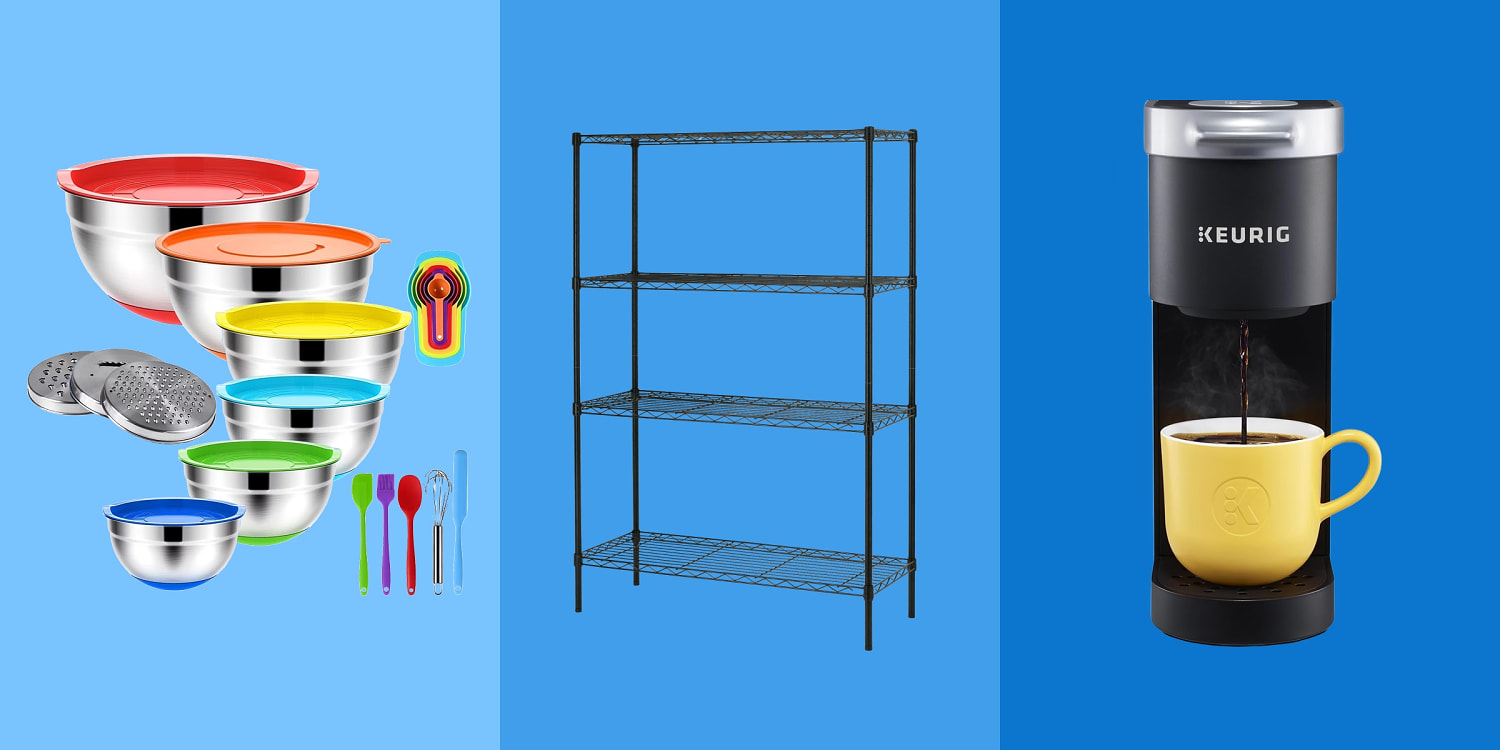
But this weekend, the gatekeepers of the massive retail ecosystems have signaled a retreat. Walmart has slashed prices on the very tools meant to silence that visual noise, offering discounts of up to 54% on the gadgets and organizers that promise to return our sanity.
The Anatomy of the Mess
We don't buy things because we are greedy. We buy them because we are hopeful. We buy the air fryer because we imagine ourselves as the kind of person who hosts healthy Sunday brunches. We buy the third set of bed linens because we crave the feeling of a luxury hotel. The mess is simply the graveyard of our best intentions.
Consider the "junk drawer." It is a universal human monument to indecision. It contains the batteries that might be dead, the hex keys for furniture we no longer own, and the mysterious plastic bits that surely belong to something important. This weekend, the solution to that specific brand of chaos—modular drawer dividers—is hitting price points that make the "someday" of organization feel like "today."
When you see a price tag dropped by half, it isn't just a marketing tactic. It is an invitation to reclaim territory.
The Physics of Small Spaces
Living in a modern footprint requires a different kind of geometry. We are no longer building outward; we are building upward and inward.
Take the vacuum-sealed storage bag. On its own, it is a crinkly, unattractive sheet of plastic. But when you apply a vacuum hose to it, you are witnessing a minor miracle of physics. You are removing the literal air from your problems. The bulky winter coats that colonize half your closet suddenly shrink into flat, stackable pancakes.
This is where the Walmart sale becomes a strategic advantage. When high-tier space-saving gadgets—the kind that usually carry a "luxury of space" tax—drop by 30% or 50%, the barrier to entry vanishes. You aren't just buying plastic; you are buying the ability to see the floor of your closet again.
I remember the first time I cleared my entryway. I had installed a simple, multi-tiered shoe rack and a wall-mounted mail sorter. The transformation wasn't just aesthetic. The next morning, I didn't spend six minutes hunting for my left loafer. I didn't feel that micro-sting of guilt looking at a pile of unopened envelopes. I just walked out the door. I was lighter.
The Technology of Order
Efficiency used to be analog. It was a box. Maybe a label. Now, the gadgets have caught up to our complexity.
The modern home is powered by a web of electricity, which means we are all currently losing a war against cords. Under-desk cable management trays and magnetic cord organizers are the unsung heroes of the digital age. They take the "spaghetti" behind your computer and turn it into a streamlined, invisible system.
During this weekend's event, these tech-centric organizers are seeing some of the steepest price cuts. It is a recognition that our clutter has evolved. We aren't just fighting paper anymore; we are fighting the infrastructure of our lives.
Then there are the "smart" organizers—the rotating carousels for spices that utilize ball bearings to bring the back of the cabinet to the front, or the expandable under-sink shelves that navigate around tricky plumbing. These are the tools that solve the puzzles we didn't know we were signed up for.
The Emotional ROI
We often talk about the "cost" of things in dollars. We rarely talk about the cost in minutes.
If you spend five minutes a day looking for your keys, your remote, or your favorite spatula, you are losing 30 hours a year to the void. That is more than a full day of your life sacrificed to the god of "Where did I put that?"
When a retailer like Walmart drops the price on a 12-piece container set or a rolling utility cart, they are effectively lowering the cost of time. A 54% discount on an over-the-door pantry rack is, in a very real sense, a discount on your morning stress.
Sarah eventually bought the organizers. She spent a Saturday afternoon sweating, sorting, and purging. She found things she had forgotten she loved and discarded things she realized she hated.
By Sunday evening, the "visual noise" had been muted. The kitchen didn't feel like a demand; it felt like a tool. She sat back down with her coffee, but this time, her eyes didn't dart from pile to pile. They rested on the clean, flat surface of the counter.
The silence was beautiful.
It isn't about the plastic. It never was. It's about the fact that your home should be the one place in the world where you don't have to negotiate for space.
The deals are live now, but they won't stay. The tide of things is always trying to come back in. This weekend is simply your chance to build a better sea wall.
There is a profound, quiet power in knowing exactly where everything is.