JPMorgan Chase just tipped the first major domino in Hong Kong’s shifting commercial real estate market. By signing on as the anchor tenant for Sun Hung Kai Properties’ (SHKP) massive new project atop the West Kowloon High Speed Rail station, the banking giant isn't just renting desks. It’s signaling a permanent change in where the city’s financial heart beats.
For decades, if you were a top-tier bank, you stayed in Central. That was the rule. You paid the highest rents in the world to be near the Hong Kong Stock Exchange and the iconic skyline. But the world changed. Remote work, tightening margins, and a massive infrastructure push in Kowloon have made the old "Central or bust" mentality look outdated.
JPMorgan is taking roughly 220,000 square feet in the SHKP development. It's a bold play. This isn't a cost-cutting move to a dusty industrial building. This is a move to a brand-new, premium Grade A space that sits directly on top of the gateway to Mainland China. If you want to understand why a trillion-dollar bank moves its headquarters, you have to look at the tracks beneath the building.
Why West Kowloon is Winning the Tug of War
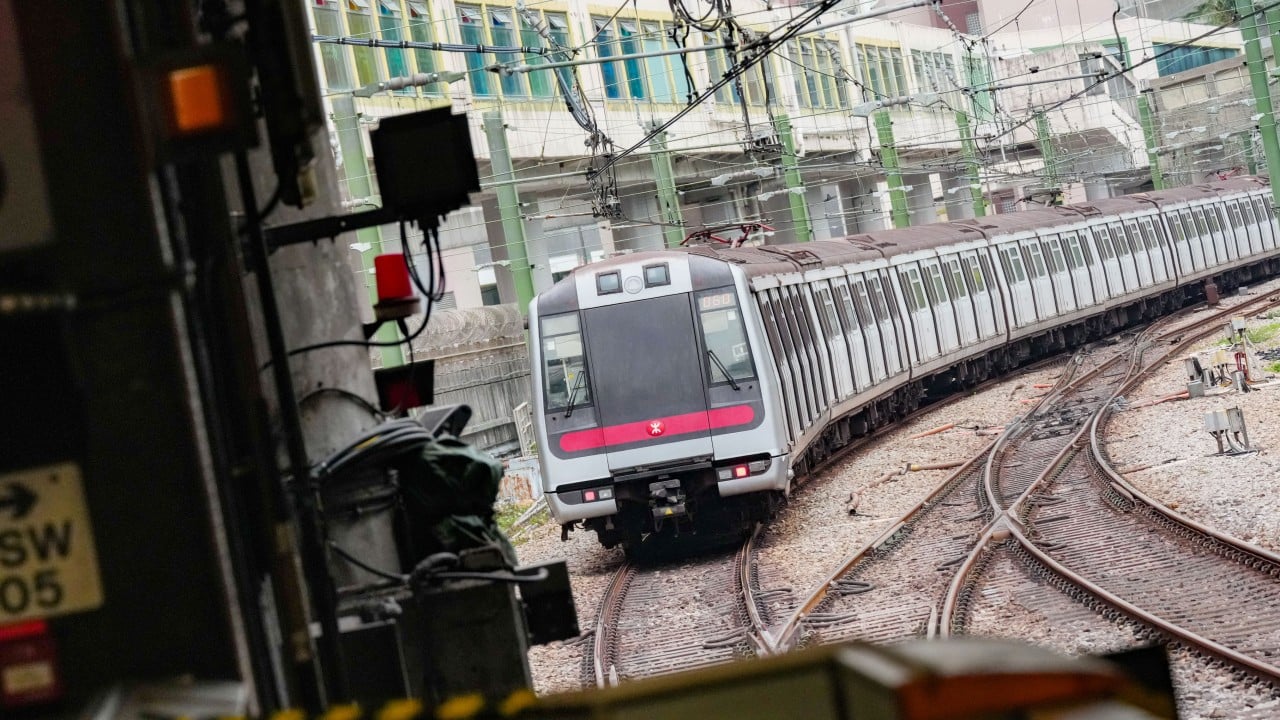
The High Speed Rail (HSR) station is the real star of this deal. From the lobby of the new SHKP towers, a banker can walk downstairs and be in Shenzhen in 15 minutes or Guangzhou in 45. That’s faster than a commute from many parts of Hong Kong Island to Central.
Connectivity used to mean being near the Star Ferry. Now, connectivity means being part of the Greater Bay Area (GBA). JPMorgan’s move proves that for global firms, the ability to physically reach clients and regulators in Mainland China within an hour is more valuable than a prestigious Central address.
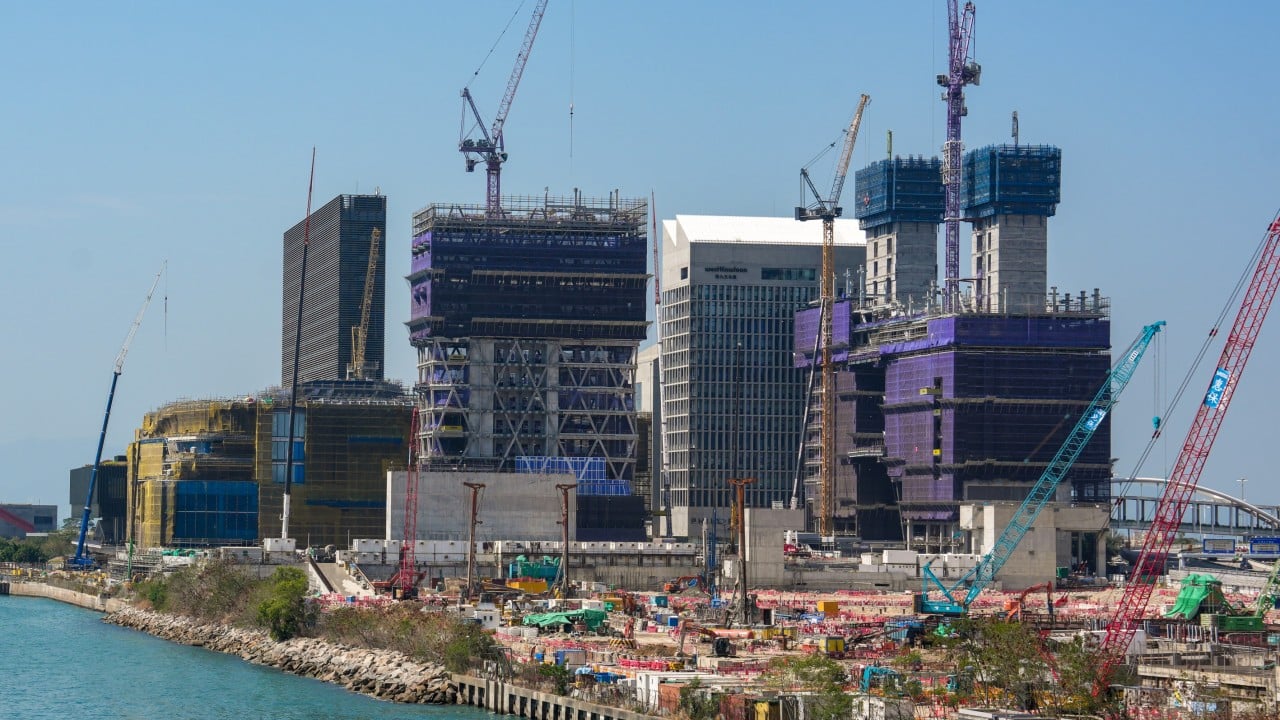
SHKP’s project is massive. It features two towers designed by Zaha Hadid Architects, providing the kind of modern, sustainable floor plates that older buildings in Central simply can't offer. We're talking about high ceilings, massive windows, and LEED Platinum certifications. Banks today face intense pressure to meet ESG (Environmental, Social, and Governance) goals. Moving to a green-certified building in West Kowloon helps them check those boxes in a way that retrofitting a 40-year-old skyscraper wouldn't.
The Death of the Central Monolith
Let’s be real about the vacancy rates. Hong Kong’s office market has been struggling. Vacancy in Grade A offices has hovered around 13% to 15% recently. In that environment, tenants have all the power.
JPMorgan probably got a sweetheart deal. While the exact numbers aren't public, anchor tenants in a market like this don't pay sticker price. They get rent-free periods, fit-out allowances, and name rights on the building. But the real story isn't just the price. It's the consolidation.
Right now, many large firms have teams scattered across three or four different buildings. It’s messy. It kills culture. By taking five floors in a single, massive footprint in West Kowloon, JPMorgan can bring its people together. They’re leaving behind spaces in Chater House and potentially other spots to create a unified hub.
Other banks are watching this closely. We've already seen firms like UBS commit to large spaces in the same area. When the big players move, the ecosystem follows. Law firms, accounting giants, and wealth managers will start looking at the West Kowloon Cultural District not as a weekend destination for museums, but as their new Monday-to-Friday home.
Breaking Down the Numbers and the Impact
The SHKP development offers about 2.6 million square feet of office space and 600,000 square feet of retail. To put that in perspective, that’s like dropping several IFC towers into Kowloon.
- Total Office Space: 2.6 million square feet.
- JPMorgan's Share: Approx. 220,000 square feet.
- Location: Directly above the West Kowloon HSR Station.
- Architect: Zaha Hadid Architects.
This move validates the government’s long-term plan to create a second Central. For years, skeptics said Kowloon would always be "secondary." They were wrong. With the International Commerce Centre (ICC) right next door—already home to Morgan Stanley and Deutsche Bank—West Kowloon has officially reached critical mass.
It’s now a legitimate financial district. It has the tallest building in the city, the fastest trains, and the newest museums. If you’re a young analyst, would you rather work in a cramped office in Central or a brand-new tower with a view of the harbor and a three-minute walk to the M+ Museum? The talent war is real, and office quality is a weapon.
Common Misconceptions About the Move
Some people think this is a retreat. They see a bank leaving Central and assume they're "downsizing" or "leaving the city." That’s nonsense.
JPMorgan is doubling down on Hong Kong. You don’t sign a long-term lease for hundreds of thousands of square feet in a premium development if you’re planning an exit. This is an optimization strategy. They’re moving to where the infrastructure is better and the future of the city is being built.
Another mistake is thinking Central will become a ghost town. It won't. Central will always have its allure for boutique hedge funds, private equity firms, and prestigious law offices. What we’re seeing is a healthy diversification. Hong Kong is becoming a multi-hub city, similar to how London has both The City and Canary Wharf.
What Tenants Should Do Now
If you're a business owner or a real estate manager in Hong Kong, the JPMorgan news is your signal to re-evaluate your footprint. The "flight to quality" is no longer just a buzzword; it’s a survival tactic.
- Audit your current lease. If you're in an older building in Central or Admiralty, you have massive leverage right now. Use it to negotiate or look at the "new" West.
- Prioritize the commute. The High Speed Rail isn't just for tourists. It's the lifeline to the GBA. If your business depends on Mainland China, being near West Kowloon is a strategic advantage.
- Focus on the "X Factor." Employees don't want to commute to a boring box. The SHKP development includes a massive retail podium and proximity to the Cultural District. This helps with retention.
The market is shifting. The center of gravity moved a few kilometers west today. If a firm as calculated as JPMorgan is willing to bet its future on West Kowloon, you should probably pay attention to why.
Take a walk around the West Kowloon station. Look at the scale of the construction. It’s clear that the future of Hong Kong’s economy is being built on top of those tracks. Don't get stuck in the past just because you like the view from Central. The real view is where the growth is.