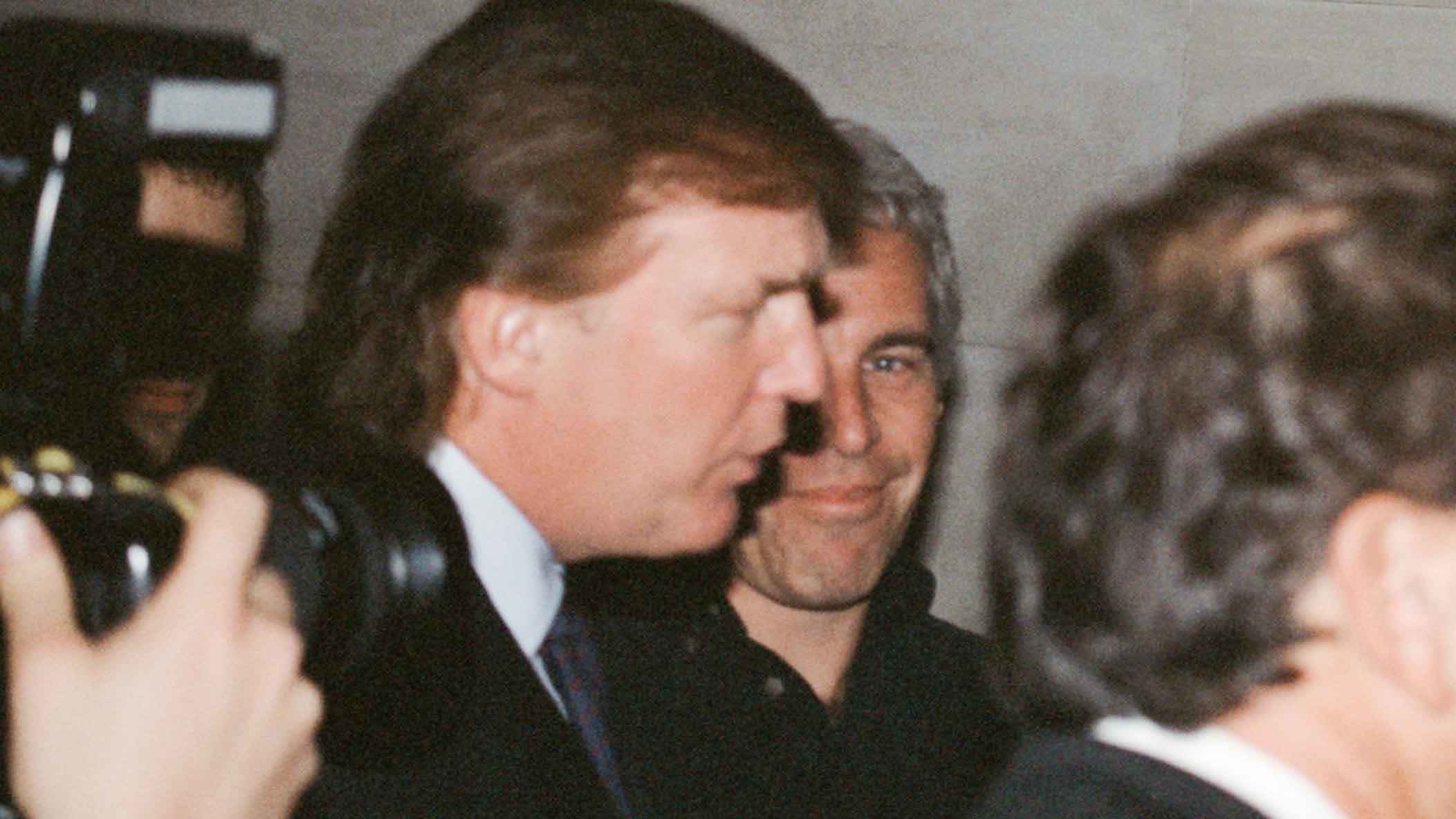
The Department of Justice just dumped another batch of Jeffrey Epstein records, and once again, the internet is losing its mind over a specific set of claims involving Donald Trump. If you’re looking for a smoking gun, you won't find it here. What you will find is a mess of "mistakenly withheld" documents that the DOJ says were simply coded wrong during the last big release.
On March 5, 2026, the DOJ published roughly 20 documents that they previously kept under wraps. The most explosive part? Summaries of FBI interviews with a woman who claimed she bit Donald Trump during a forced sexual encounter arranged by Epstein in the 1980s. It sounds like a movie script. It also looks, to federal investigators at least, like a dead end.
The claim that vanished and then reappeared
The DOJ admitted these files were "incorrectly coded as duplicative" when they released 3.5 million pages earlier this year. That mistake fueled a week of conspiracy theories and a literal subpoena for Attorney General Pam Bondi. Democrats and even a few Republicans on the House Oversight Committee weren't buying the "oops" explanation. They wanted to know why allegations against the sitting president were the ones that got buried.
The newly released "302 reports"—the FBI's term for interview summaries—detail four sit-downs with a woman who contacted agents right after Epstein's 2019 arrest. She told a wild story. She claimed Epstein, living under the name "Jeff" in Hilton Head, South Carolina, raped her in the 80s when she was 13. She later added that Epstein flew her to New York or New Jersey, where she allegedly bit Trump to fend him off.
Here’s the problem. The FBI tried to follow up. They asked for specifics. They wanted dates, locations, anything they could actually use. Instead of providing details, the woman stopped talking and broke off contact.
Why the DOJ is calling these claims sensationalist
The DOJ didn't just release the files; they practically attached a warning label to them. Back in January, officials noted that the library of Epstein documents contains "untrue and sensationalist claims" submitted right before the 2020 election. They’re basically saying that because Epstein was so high-profile, every person with a grudge or a vivid imagination called the tip line.
- Timeline issues: There’s no evidence Epstein ever lived in Hilton Head in the 80s.
- Zero corroboration: No witnesses, no flight logs for these specific trips, and no physical evidence.
- Criminal history: The White House was quick to point out that the accuser has an "extensive criminal history," though they didn't specify the charges.
White House Press Secretary Karoline Leavitt called the accusations "completely baseless." Her main argument? The DOJ had these files for four years under the Biden administration and did nothing. If there was a shred of truth to them, she argues, they would’ve been used as political ammo long ago. It’s a fair point, even if you don't like the messenger.
The chaos of the Epstein Files Transparency Act
We’re in this mess because of the Epstein Files Transparency Act, which Trump himself signed in late 2025. It’s led to a chaotic, rolling disclosure of millions of pages. The sheer volume is staggering. We’re talking 2,000 videos and 180,000 images. DOJ officials say errors are "inevitable" when you’re moving that fast with that much sensitive material.
Critics say the "errors" always seem to favor the powerful. The fact that the DOJ "found" these 15 missing documents exactly one day after the House Oversight Committee voted to subpoena Pam Bondi is... well, it’s a choice. It makes the department look reactive rather than transparent.
What actually matters in the new documents
While everyone is hyper-focused on the Trump bite story, the broader release shows how the FBI actually handled the Epstein investigation. The memos prove that agents did, in fact, look into "outlandish" claims. They didn't just toss them in the trash. They interviewed people, wrote reports, and then closed the files when the stories didn't hold water.
The documents also included five prosecution memos from the Southern District of Florida. These were originally marked as privileged. They don't contain new bombshells about celebrities, but they do show the internal struggle of prosecutors trying to build cases against Epstein’s alleged co-conspirators.
Spotting the signal in the noise
If you’re trying to make sense of the Epstein saga, you have to learn to ignore the "tip line" noise. Just because something is in an FBI file doesn't mean the FBI believes it. It just means someone said it.
The most credible information in the Epstein universe usually comes from the core group of victims who have been consistent for twenty years—people like Virginia Giuffre or Johanna Sjoberg. When a random person calls in 30 years later with a story that doesn't match the known timeline, investigators (and the public) should be skeptical.
If you want to track the actual progress of these releases, stop waiting for a single "list" to drop. There is no list. There are millions of pages of messy, redacted, and sometimes contradictory investigative notes. Your best bet is to follow the House Oversight Committee’s hearings, where they’re actually forcing officials to explain why certain names are blacked out while others aren't. Don't get distracted by the sensationalist bites—look at the redaction patterns instead.