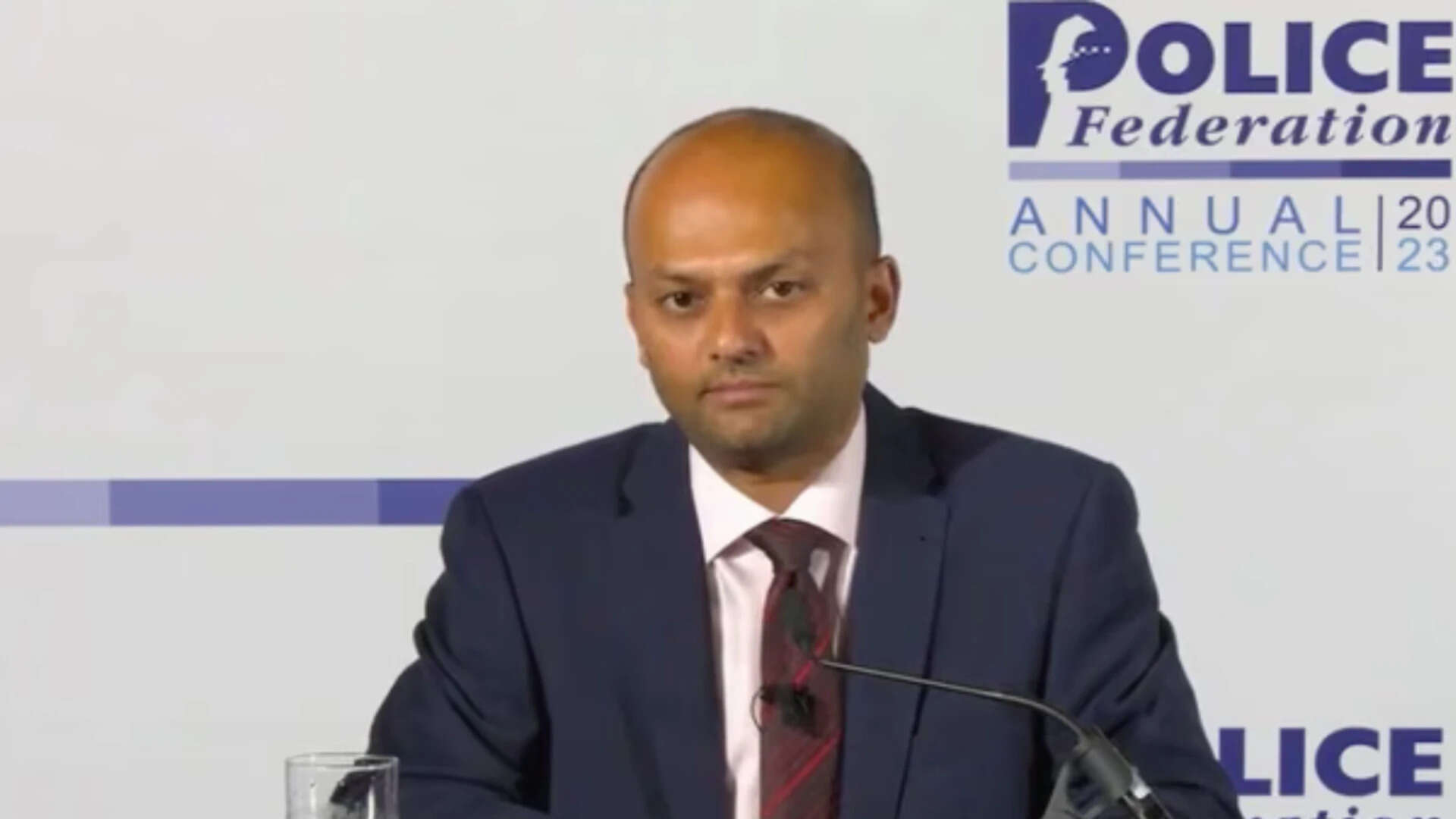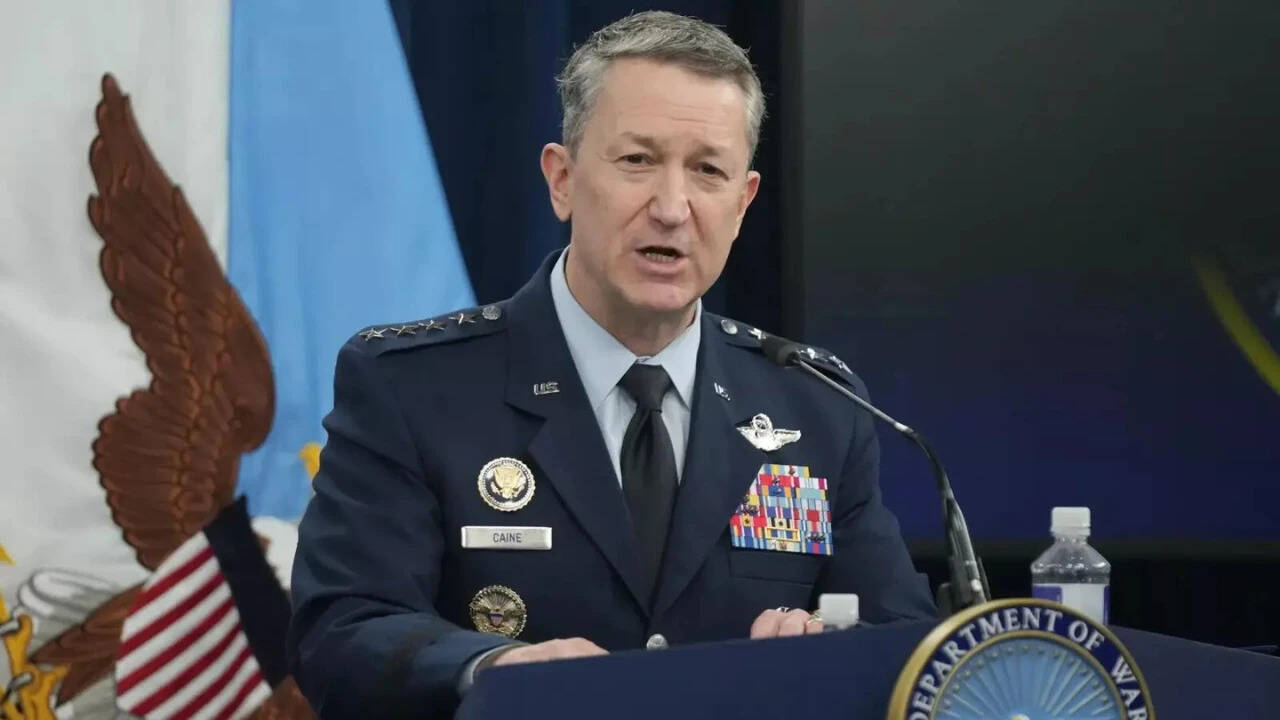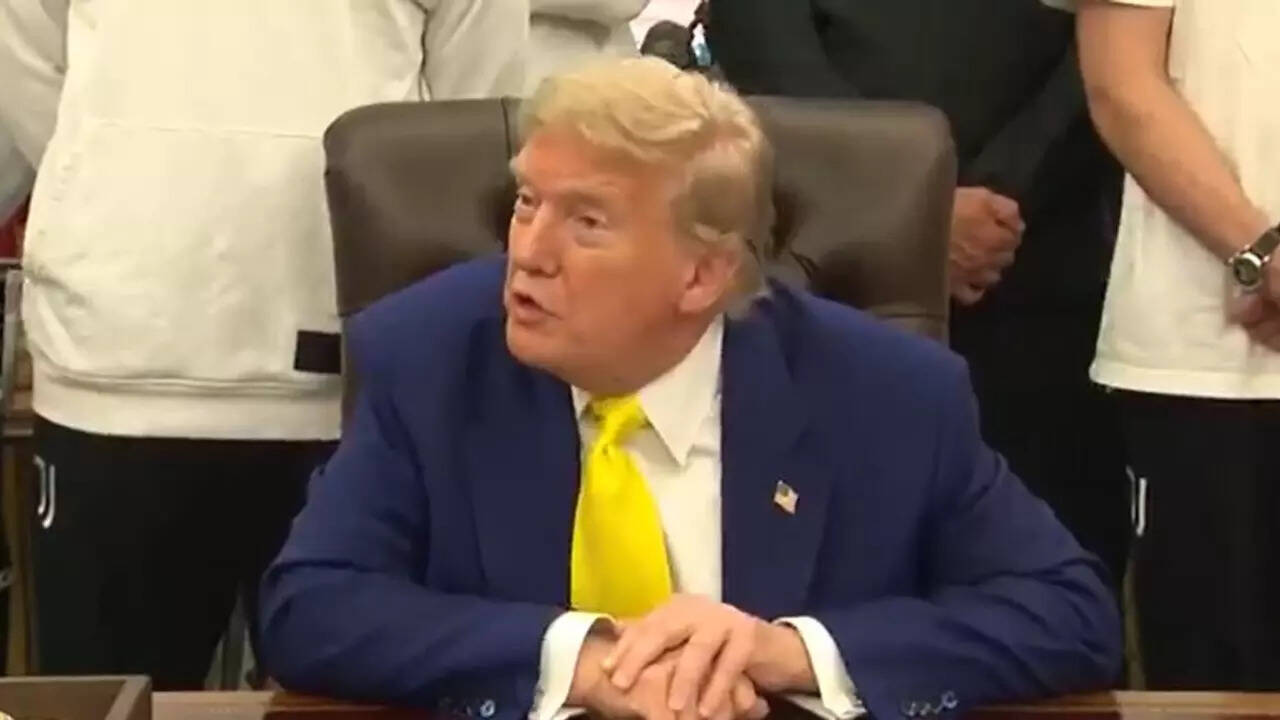
Ali Larijani is playing a tired game. By accusing Donald Trump of being dragged into an "unfair war" by Israel, the former Iranian parliament speaker is leaning on a narrative that is as comfortable as it is incorrect. It’s the "wag the dog" theory repackaged for a 2026 audience. It suggests that the United States is a massive, brainless muscle-bound giant being led around by a tiny, Machiavellian leash.
This isn't just a misreading of geopolitics. It’s a fundamental misunderstanding of how empire-grade interests actually function. The idea that America is "dragged" into conflicts in the Middle East ignores sixty years of cold, hard strategic math.
The Puppet String Delusion
Larijani’s rhetoric serves a specific purpose for Tehran: it frames Iran as the victim of a proxy, rather than a direct competitor to American hegemony. But let’s look at the reality. The United States doesn't do "favors" that cost billions of dollars and risk global oil stability. Every move made in coordination with Jerusalem is a calculated play for regional denial.
When Larijani claims Trump is putting "Israel first," he misses the point. Washington puts Washington first. Israel happens to be the most cost-effective aircraft carrier the U.S. has ever deployed. If you think the Pentagon is being "tricked," you haven't been paying attention to the budget meetings.
I’ve spent years analyzing risk in high-stakes environments where "influence" is a commodity. In those rooms, nobody thinks they are being manipulated. They think they are outsourcing their violence.
The Unfair War Fallacy
What exactly is an "unfair war"? In the vocabulary of international relations, fairness doesn't exist. There is only "asymmetric capability."
Larijani uses the term "unfair" to appeal to a global sense of justice, but war is the absence of justice. By framing the conflict as a manipulation of American interests, Iran tries to peel away domestic U.S. support. It’s a psychological operation, not a political analysis.
The "unfairness" Larijani cites is actually the efficiency of modern deterrence. If the U.S. and Israel are "dragging" each other into a conflict, it is a marriage of convenience where both parties have already signed the pre-nuptial agreement. They aren't falling into a trap; they are setting one.
The Real Cost of Neutrality
People often ask: "Why can't the U.S. just step back and let the region settle itself?"
This question is flawed because it assumes a vacuum. If the U.S. exits, the "landscape"—to use a word I despise—doesn't stay empty. It gets filled by China’s Belt and Road investments and Russian security guarantees.
- The Energy Factor: It’s not about the oil we buy; it’s about the oil we control the price of.
- The Intelligence Loop: The Mossad-CIA pipeline provides data that would cost the U.S. trillions to replicate independently.
- The Weaponry Sandbox: The Middle East serves as a live-fire testing ground for the defense contractors that keep the U.S. economy afloat.
When Larijani talks about "unfair wars," he’s really complaining that the U.S. has better data and better hardware.
The Trump Variable
The competitor article treats Donald Trump as a volatile outlier. This is a mistake. Trump’s "Abraham Accords" approach wasn't a departure from American interests; it was an optimization of them. It was a move to privatize Middle Eastern security by making the neighbors talk to each other so the U.S. could focus on the South China Sea.
Larijani’s critique of Trump is actually a compliment to the efficacy of that strategy. It pressured Iran to the point of desperation. When a regime starts talking about "unfairness," it means their traditional levers of power—proxies, shadow shipping, and enrichment threats—are losing their edge.
Follow the Money Not the Rhetoric
If you want to understand if the U.S. is being "dragged" anywhere, stop reading the op-eds and start reading the trade flows.
- Military Aid as an Internal Subsidy: Most "aid" to Israel never leaves America. It goes to Lockheed Martin, Raytheon, and Boeing. It is a domestic stimulus package disguised as foreign policy.
- Tech Integration: The cybersecurity sectors of Tel Aviv and Silicon Valley are now so deeply entwined that separating them would be a surgical impossibility.
- Regional Stability: For all the talk of "war," the goal is a status quo where the Straits of Hormuz remain open.
Larijani knows this. His "America or Israel first" binary is a false choice designed for social media consumption. It’s meant to trigger the "America First" nationalists and the anti-war left simultaneously. It’s a clever bit of marketing, but it’s intellectually bankrupt.
The Risk of the "Great Pivot"
The real danger isn't being "dragged" into a war. The danger is the hubris of thinking we can leave.
I have seen analysts argue that the U.S. should pivot entirely to Asia. This is the "lazy consensus" of the current decade. But you cannot pivot to Asia if your energy supply is tied to a region you've abandoned to a hostile Tehran.
The U.S.-Israel alliance isn't a burden; it’s a hedge. It’s a way to keep a foot in the door while looking at the exit. Larijani’s accusations of "unfairness" are simply an admission that the hedge is working.
The Asymmetry of Accountability
In a conflict, the side that complains about "unfairness" is the side that is losing the ability to dictate the terms of the engagement. Iran has spent decades perfecting gray-zone warfare—using militias to avoid direct accountability. Now that the U.S. and Israel have decided to ignore the gray zone and strike the source, the rules have changed.
Larijani isn't worried about America. He’s worried that the "shadow war" Iran enjoyed for so long is becoming a very bright, very hot direct confrontation.
If the U.S. is being "dragged," it is being dragged toward clarity. And clarity is the one thing a regime like Iran's cannot survive.
Stop asking if it’s "America First" or "Israel First."
In the high-stakes world of global dominance, those two interests have become a single, indistinguishable entity. To suggest otherwise isn't just contrarian—it’s delusional.
The war isn't unfair. It’s just being won by the people with the bigger stick and the better maps.
Deal with it.