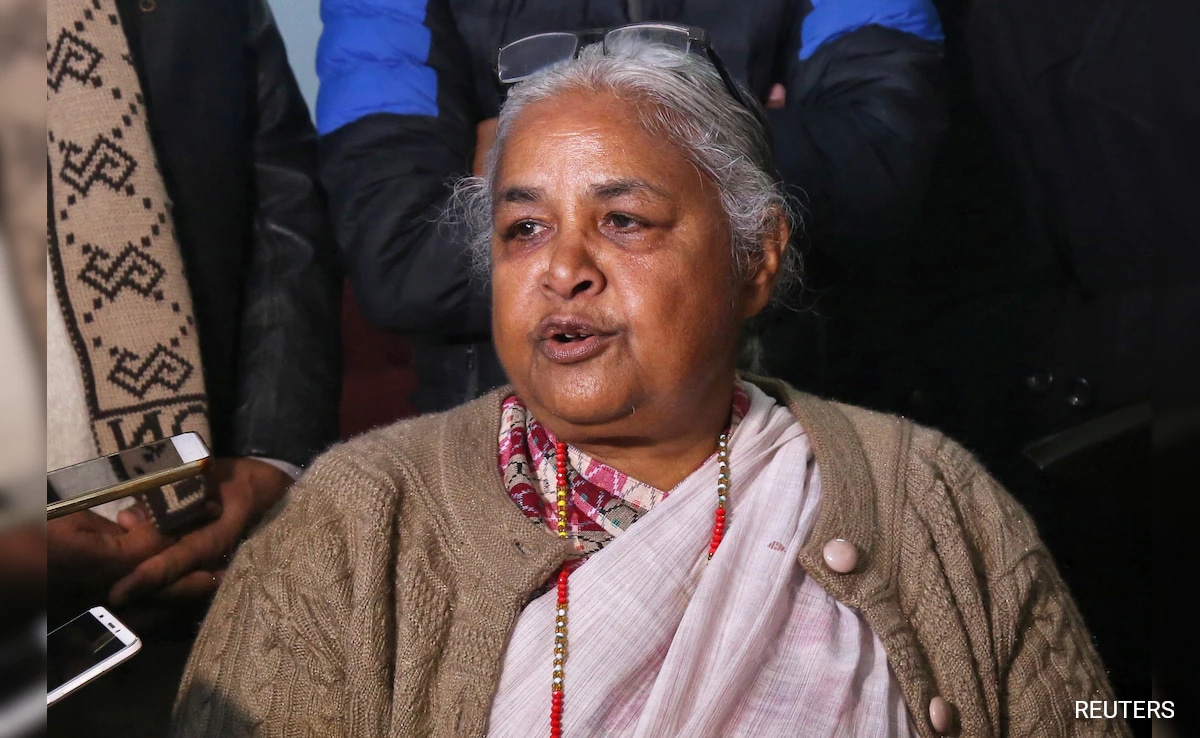
Sushila Karki didn't want the job. She’s said it a dozen times, and honestly, looking at the charred remains of Nepal’s parliament building back in September 2025, you could see why. At 73, most people are content with a quiet life of tea and memoirs. Instead, the former Chief Justice found herself standing in the rubble of a government toppled by a Gen Z-led revolution, tasked with holding a fractured nation together.
On March 26, 2026, she finally stepped down. Her six-month stint as Nepal’s first woman Prime Minister is over, and she’s heading back to retirement. But she isn’t leaving with the weary cynicism you’d expect from someone who just navigated a national meltdown. She’s leaving with hope.
The Reluctant Revolutionary
You have to understand the sheer chaos of how she got there. In September 2025, Nepal hit a breaking point. Years of corruption and economic stagnation sparked a youth movement so fierce it burned down government offices and sent the old guard packing. When the dust settled, the protesters didn't want another career politician. They wanted a "moral compass."
They literally picked her on Discord. It sounds like a joke, but a server full of Gen Z activists ran a poll and settled on Karki because of her legendary reputation for being "iron-fisted" against corruption during her years on the Supreme Court. She was the only person the street and the army could both stomach.
I think her success came from the fact that she treated the Prime Minister’s office like a courtroom rather than a throne. She wasn't there to build a legacy or win a second term; she was there to deliver a verdict on the country’s future.
Cleaning Up the Mess
Karki’s tenure was basically a high-stakes salvage operation. She had one job: hold free and fair elections by March 2026 and don't let the country slide back into civil war.
- She opened the "hidden files": Karki didn't just talk about corruption; she authorized the release of the Gauri Bahadur Karki commission report, which pointed fingers directly at former PM KP Sharma Oli and other big weights for their roles in the September violence.
- The Gen Z Bridge: She was the only septuagenarian in the country who could actually talk to the youth. By including protest leaders in her transition talks, she kept the streets calm enough for the economy to start breathing again.
- Neutrality as a Weapon: Because she had no party affiliation, she could make calls that would have ended a normal politician’s career. She pushed through a revised national budget that gutted the "pork barrel" funds politicians usually use to buy votes.
Why Retirement Feels Different This Time
When Karki retired from the Supreme Court in 2017, it was under a cloud. The political elite had tried to impeach her because she was too independent. They hated that she wouldn't play ball with their appointments. She left that office feeling like the system was rigged.
Fast forward to 2026, and the vibe is completely different. In her farewell address, she admitted she took the PM role filled with "fear and uncertainty." But seeing the record-breaking turnout in the March 5 elections changed her mind. She’s not just "hopeful" in a vague, Hallmark-card kind of way. She’s hopeful because she saw that the institution-building she fought for in the judiciary finally took root in the executive branch.
She proved a point that many skeptics doubted: a woman, a technocrat, and a senior citizen could lead Nepal through its darkest hour without turning into a dictator.
What’s Next for Nepal
The elections are over, and a new, democratically elected government is taking the reins. Karki is handing over a country that is still bruised—the $586 million in economic losses from the riots won't vanish overnight—but it's stable.
If you're looking for the "Karki Effect," keep an eye on the prosecution of high-level officials. The "culture of impunity" she fought against her whole life is finally showing cracks. The 900-page report her government released is a roadmap for the next administration. If they ignore it, the Gen Z movement that put Karki in power is still very much awake and watching.
Sushila Karki is going back to her books and her home in Biratnagar. She’s done her bit. Now, the rest of the country has to decide if they're brave enough to follow the standard she set. If you want to see the real impact of her short term, watch how the new parliament handles the corruption cases she left on their desks. That’s the real test.