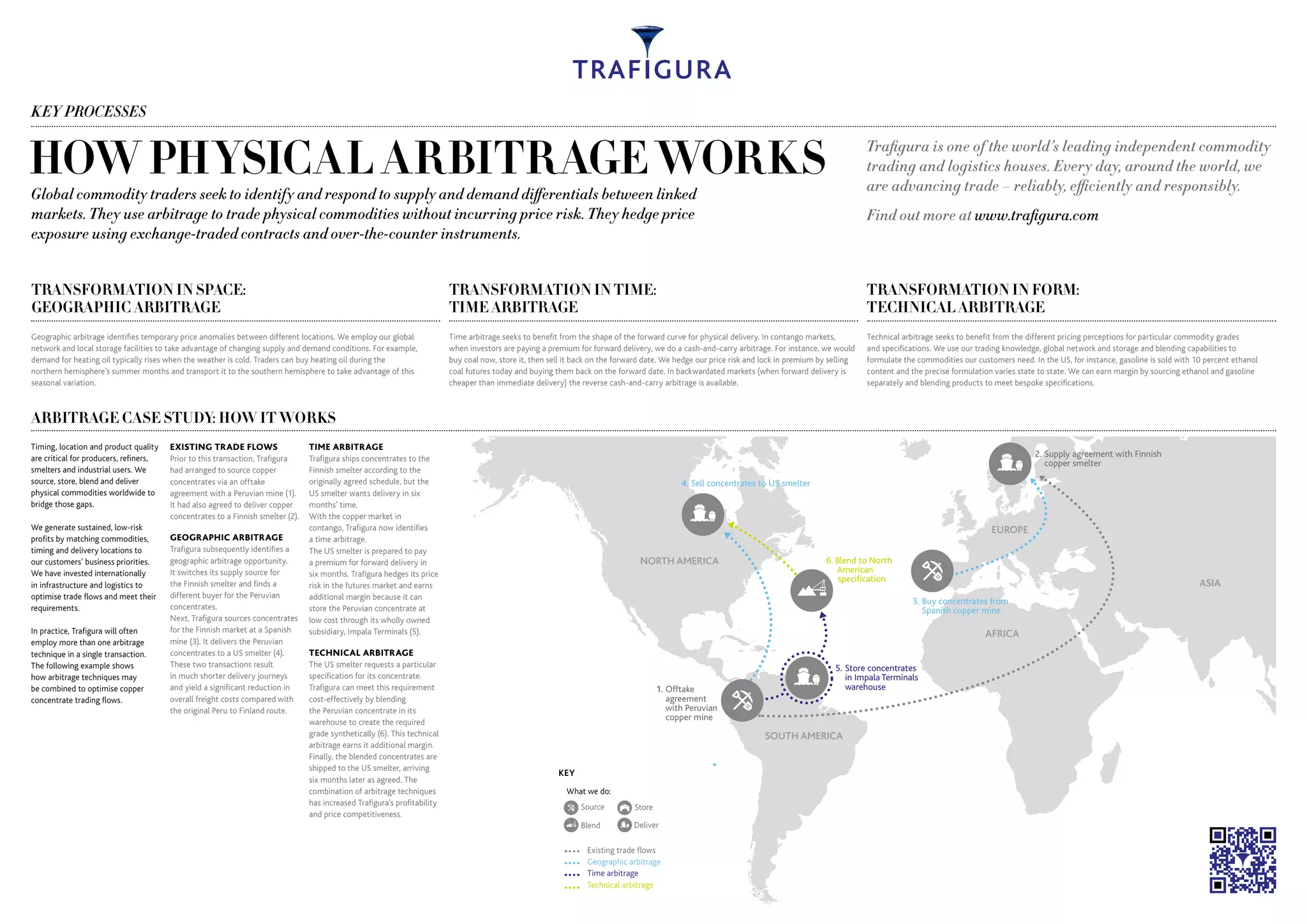
The suspension of international flight paths over Iranian and Iraqi airspace does not merely delay luxury goods; it severs the primary circulatory system for the physical gold and silver markets in the EMEA region. When commercial aviation grinds to a halt in a conflict zone, the spread between "paper" spot prices and physical delivery premiums widens instantly. This phenomenon is not driven by sentiment alone, but by a quantifiable breakdown in the Logistics-Liquidity Identity: the principle that a commodity’s value is tethered to the cost and certainty of its physical relocation.
The Mechanics of Aerial Freight Dependency
Gold and silver are unique in the global supply chain due to their high value-to-weight ratio. Unlike crude oil or iron ore, which rely on maritime bulk carriers, the global bullion trade is almost entirely dependent on the bellies of wide-body commercial aircraft. London, Zurich, Dubai, and Hong Kong function as the four chambers of the global heart; the "veins" are the direct flight paths connecting them.
The closure of Iranian airspace forces a total reconfiguration of the Transport Cost Basis. When a carrier like Emirates or Lufthansa cancels a flight from Zurich to Dubai, they are not just removing passengers; they are removing tons of registered bullion capacity.
The resulting friction manifests in three specific systemic bottlenecks:
- Insurance Risk Premiums (IRP): Underwriters at Lloyd’s of London or specialized bullion insurers apply "War Risk" surcharges the moment a flight path enters or skirts a kinetic combat zone. These costs are passed directly to the physical premium, meaning a buyer in Dubai pays more for the same ounce of gold than a buyer in New York, regardless of the global spot price.
- Rerouting Inefficiency: Avoiding Iranian airspace requires flight paths to deviate over Saudi Arabia or the Mediterranean/Caucasus. This adds 2–4 hours of flight time, increasing fuel burn and reducing the frequency of available "lifts." In a market where timing is everything for arbitrage, a four-hour delay can render a trade unprofitable.
- Security Clearing Latency: High-value cargo requires specialized ground handling. When flights are redirected to secondary hubs that lack the "Gold Room" infrastructure of Dubai International (DXB), the time required for secure transfer and verification increases by orders of magnitude.
The Dubai-Istanbul-Zurich Triangle Disruption
Dubai acts as the "Clearing House of the East." It is the primary node for recycling scrap gold from the Indian subcontinent and redistributing refined bullion from Switzerland. The Istanbul-Tehran-Dubai air corridor is the most critical logistical lane for this trade.
When Iran-related flight paths are closed, the Triangular Arbitrage Model breaks down. Turkish and Emirati refiners cannot receive the raw gold bars needed for processing, and the "London-Dubai Spread" (the difference between London’s paper market and Dubai’s physical market) can blow out by several dollars per ounce.
This disruption forces a shift from high-velocity air freight to lower-velocity, higher-security ground or sea transport, which is functionally impossible for gold due to the security risks. Therefore, the market reacts by "stranding" physical inventory.
The Bullion-Security Correlation Function
The current situation demonstrates the inverse relationship between regional kinetic risk and physical market liquidity. The Bullion-Security Correlation can be mapped by the following variables:
- Variable A: Airspace Accessibility. The percentage of scheduled wide-body flights operating on the Zurich-Dubai-Hong Kong route.
- Variable B: War-Risk Surcharge (WRS). The per-ounce cost of insurance for high-value cargo in the EMEA region.
- Variable C: Local Physical Premium (LPP). The amount above the COMEX or LBMA spot price paid for immediate delivery.
As Variable A decreases, Variable B and C increase exponentially. This is not a linear relationship because the market prices in the anticipation of further escalations.
Historically, during the 1990 Gulf War and the 2003 invasion of Iraq, the physical premium for gold in the Middle East rose by 3–7% relative to the London spot price within 48 hours. The current Iran-related flight groundings have already triggered a similar spike, as the "Paper Gold" market (futures and ETFs) remains liquid while the "Physical Gold" market (bars and coins) becomes geographically isolated.
The Silver Paradox: Weight vs. Value
Silver, while often correlated with gold, faces a more severe logistical crisis during flight groundings. Silver is approximately 80 times less valuable by weight than gold, yet it occupies significantly more volume for the same dollar value.
In a standard wide-body aircraft’s belly, silver is a "volume-intensive" cargo, whereas gold is "mass-intensive." When flight capacity is reduced, air carriers prioritize gold because they can fit more dollar value into a smaller, more manageable footprint.
Silver traders, therefore, face a "Logistics Lockout." The cost of air-freighting silver during an airspace closure becomes a massive percentage of its total value. This creates a Silver Arbitrage Sinkhole: the price of silver in Dubai or Mumbai may skyrocket due to local scarcity, but because it is too expensive to fly in from London or New York, the supply cannot respond to the price signal.
Systematic Risk in the Paper-to-Physical Exchange (EFPs)
The most dangerous systemic risk arises from the Exchange for Physical (EFP) market. Institutional traders often sell futures contracts in New York (COMEX) and buy physical gold in London or Dubai. This trade relies on the seamless movement of bullion between these hubs.
If a trader is short a COMEX contract and long physical bars in a Dubai vault that cannot be flown out due to Iranian airspace closures, they are effectively "un-hedged." This is known as a Logistical Default. The trader has the gold, but it is in the wrong place at the wrong time.
This creates a chain reaction:
- The trader must buy back their short futures position at any price to avoid delivery obligations they cannot meet.
- This "forced buy-back" drives the paper price of gold even higher, even if there is no fundamental change in interest rates or the US dollar.
- The resulting volatility is a direct consequence of a logistical failure, not a change in macroeconomic sentiment.
Tactical Strategy for Physical Bullion Holders
In an environment of aerial disruption, the value of bullion is determined by its Jurisdictional Liquidity. Gold held in "Conflict-Adjacent Vaults" (like those in the Persian Gulf during an Iran crisis) carries a lower real-world value than gold held in "Neutral Hubs" (like Singapore or Zurich) because it cannot be moved to where the demand is highest.
Strategic asset allocation must now account for The Freight Constraint. When planning for tail-risk events, the geographical location of the physical bars is as important as the metal itself.
- Shift to "Neutral Corridor" Storage: Diversify physical holdings into jurisdictions like Singapore (Changi Airport), which operates outside the primary EMEA conflict paths.
- Monitor the Belly-Cargo Capacity Index: Watch the flight schedules of major carriers like Emirates, Etihad, and Qatar Airways. If flight frequencies drop by more than 20%, physical premiums in those hubs will decouple from global spot prices.
- Hedge with "Paper" to Protect "Physical" Gains: If physical premiums in Dubai or Istanbul spike due to logistical bottlenecks, use the increased value to sell into the local market and immediately replace the position with London-based paper gold to maintain market exposure while stripping out the regional logistics risk.
The current grounding of flights over Iran is a stress test for the global bullion market. It exposes the fiction that gold is a borderless asset. In reality, gold is a physical object subject to the laws of geography, aviation insurance, and kinetic warfare. Those who treat it as a digital number on a screen will find themselves trapped by the very borders they believed were irrelevant.
Analyze the current spread between Zurich-based silver and Dubai-based silver; the 4% divergence is not an error in the market—it is the price of a flight path that no longer exists.
Would you like me to map the specific impact of these flight groundings on the jewelry manufacturing hubs of Surat and Jaipur, which rely on the same air-cargo corridors?