Imagine you’re flying at 35,000 feet, sipping a coffee while the autopilot handles the heavy lifting, when suddenly your cockpit displays start screaming. Your GPS position drifts miles off course. Your internal clock resets to the wrong year. This isn't a sci-fi movie script. It’s a daily reality for flight crews over the Middle East right now. Signal interference has turned the skies over Iraq, Iran, and Israel into a digital minefield for passenger planes.
Electronic warfare used to stay on the battlefield. Not anymore. The spillover from regional conflicts is hitting commercial aviation hard, and the industry is scrambling to keep up. If you've flown from Europe to Asia recently, your pilot probably spent part of the flight fighting off "spoofing" attacks that tried to trick the plane into thinking it was somewhere else entirely.
The Invisible Threat of GPS Spoofing
Most people confuse jamming with spoofing. They're different beasts. Jamming is just noise. It’s like someone screaming in your ear so you can't hear a conversation. When a plane's GPS is jammed, the system simply says "signal lost." Pilots then switch to old-school backup navigation. It's annoying but manageable.
Spoofing is far more dangerous. It’s a sophisticated lie. Instead of blocking the signal, a spoofing device sends a fake one that looks legitimate. It tells the plane's computers it’s ten miles to the left of where it actually is.
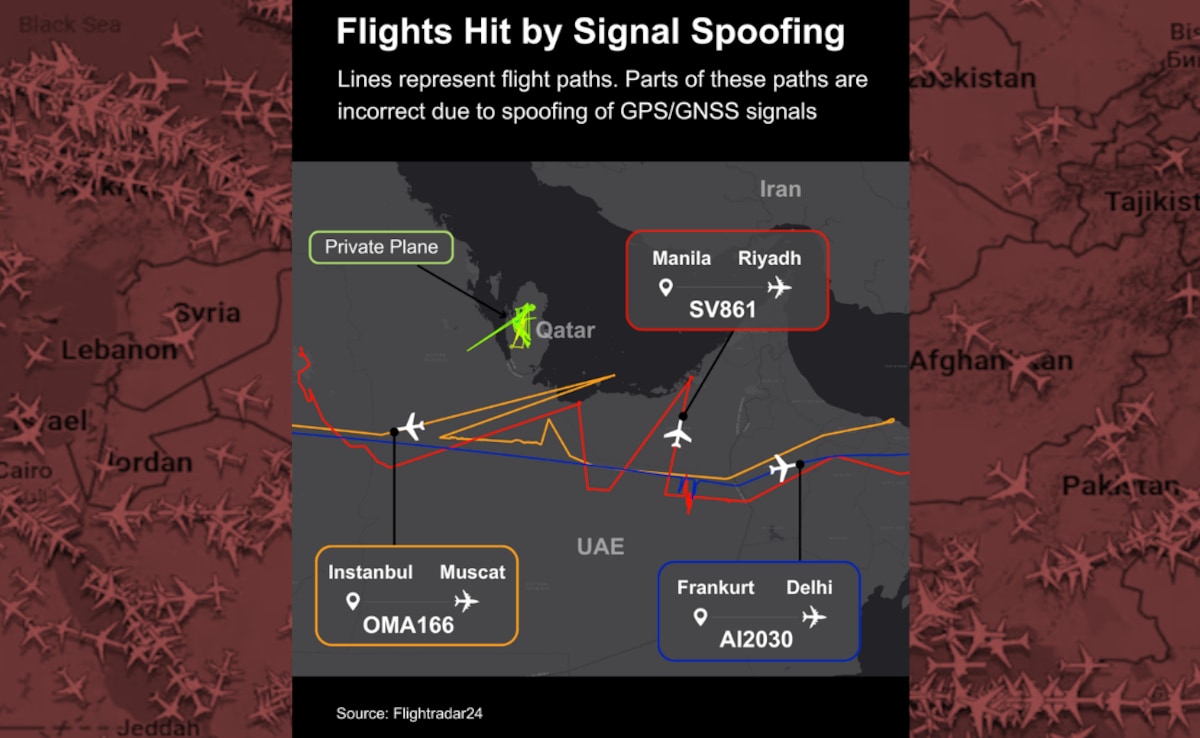
The scary part? The plane's systems often believe it. In late 2023 and throughout 2024, dozens of incidents were reported where Embraer and Boeing jets nearly wandered into unauthorized airspace because their flight management systems (FMS) bought the lie. These aircraft started turning on their own, following a ghost path created by ground-based electronic warfare units.
Why This is Happening Right Now
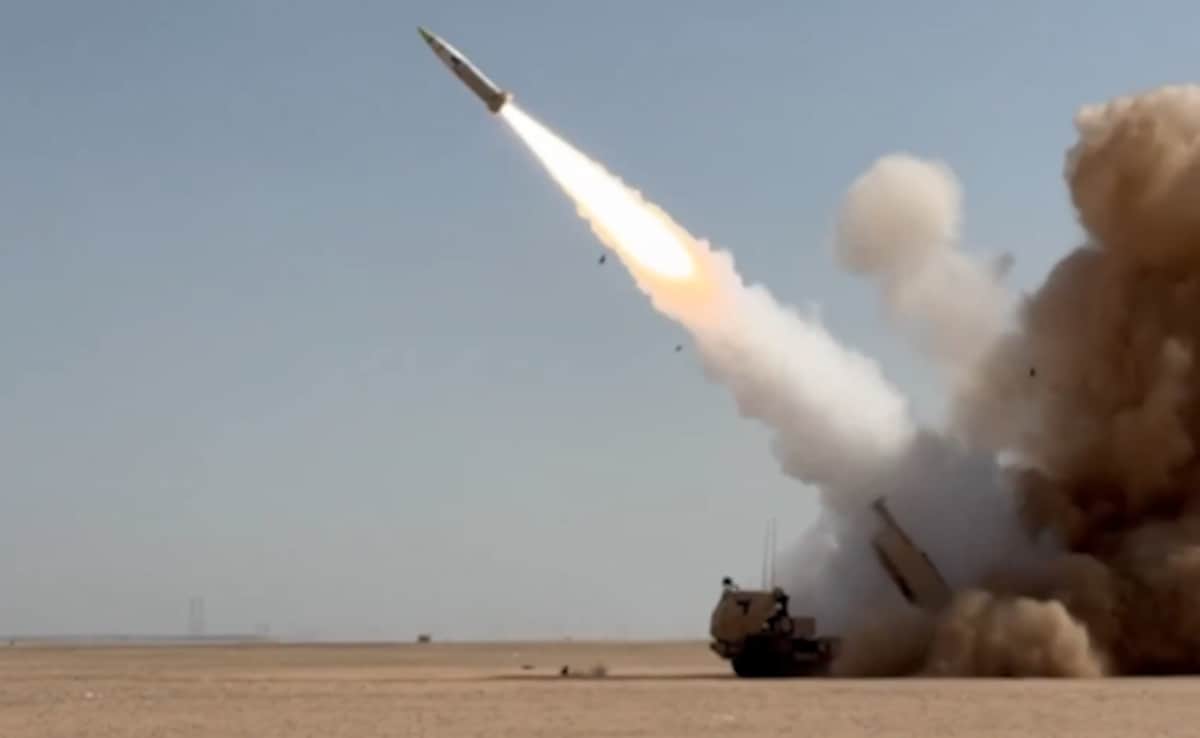
The Middle East is currently the global epicenter for electronic warfare. Between the ongoing tensions involving Israel, Hezbollah, and various factions in Iraq and Syria, the airwaves are crowded with signals designed to drop drones or misdirect missiles.
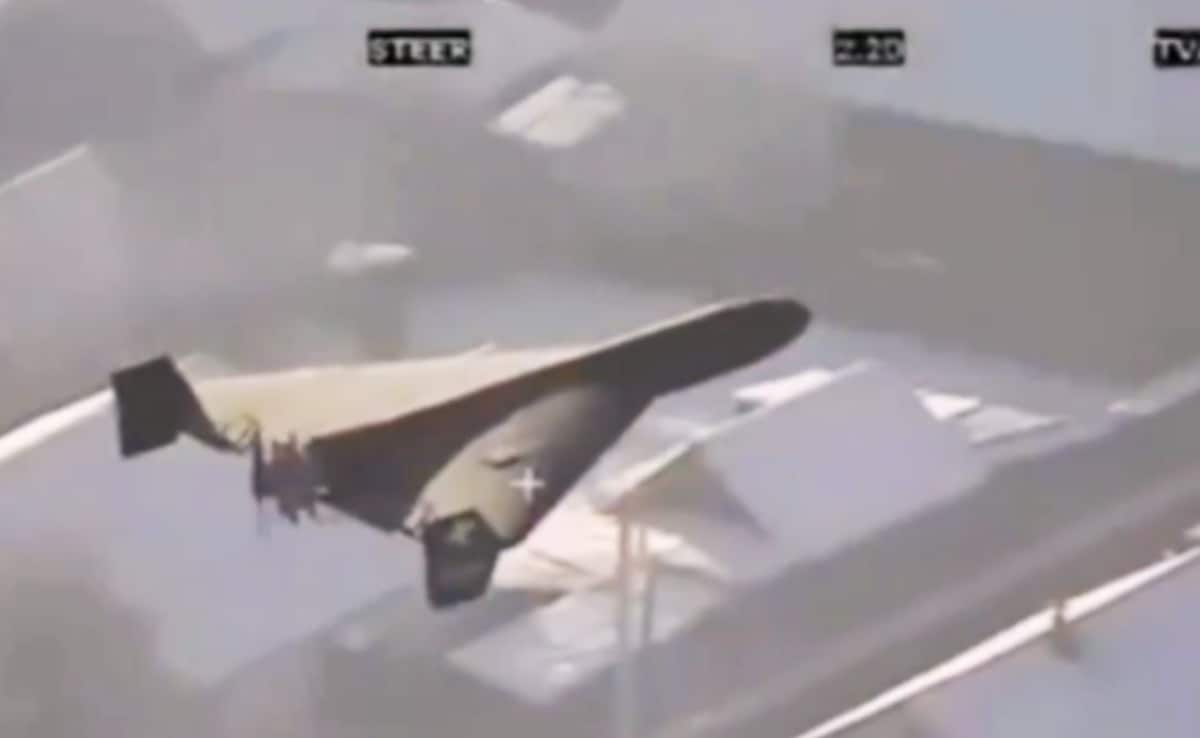
Military forces use these "spoofers" to protect their bases. If a suicide drone is programmed to hit a specific set of coordinates, a spoofer can change the "reality" of those coordinates, making the drone crash harmlessly in the desert. The problem is that these signals don't stop at the military perimeter. They bleed upward and outward, catching commercial airliners in the crossfire.
Groups like OPSGROUP, an international organization for pilots and flight flanners, have been tracking these surges. They've noted a massive spike in "fake" GPS signals near Tehran and the Israeli border. For a pilot, it’s like trying to navigate a ship through a fog bank while someone keeps moving the lighthouse.
The Failure of Modern Tech
We’ve spent decades making planes smarter. Ironically, that intelligence is now a vulnerability. Modern glass cockpits rely heavily on the Global Navigation Satellite System (GNSS). It’s integrated into everything: the terrain avoidance system, the weather radar, and even the transponder that tells other planes where you are.
When the GPS gets "spoofed," it doesn't just mess up the map. It can trigger a chain reaction of failures.
- Terrain Alerts: The plane might think it’s flying into a mountain that isn't there, or worse, ignore a real one because it thinks it’s over flat ground.
- Inertial Reference Systems (IRS): These are the plane's internal motion sensors. They're supposed to be a backup, but they often "re-align" themselves using GPS data. If the GPS is fake, the backup becomes fake too.
- Time Syncing: Aviation communication depends on precise timing. Spoofing can shift the on-board clock, causing the radio systems to lose sync with ground control.
Airbus and Boeing are well aware of this. They’re working on software patches to help systems recognize when a signal is too "perfect" to be real. Authentic satellite signals are incredibly faint and have specific signatures. Military-grade spoofing is often too loud or lacks the subtle "jitter" of a real satellite.
How Pilots are Fighting Back
Don't panic yet. You're not going to fall out of the sky. Pilots are trained for this, though the training is getting a much-needed update. The "fix" is actually a step backward in time.
Airlines are telling crews to stop relying so much on the magenta line on their screens. Instead, they’re dusting off VOR (VHF Omnidirectional Range) navigation and DME (Distance Measuring Equipment). These are ground-based radio beacons that have been around since the mid-20th century. They can't be spoofed from a distance like a satellite signal.
Practical Steps for Flight Crews
- Verify with Ground Stations: Always cross-check GPS positions against ground-based radar or radio fixes.
- Isolate the GPS: If the system starts acting weird, many pilots now "deselect" GPS as a sensor entirely, forcing the plane to rely on its internal gyroscopes.
- Report Everything: The FAA and EASA (European Union Aviation Safety Agency) need data. Every time a pilot sees a jump in position, they log it. This helps map out the "hot zones" so other flights can steer clear.
The industry is also looking at "Vision Navigation." It uses cameras and AI to look at the ground and match it to a map, much like a human pilot does. If the camera sees the Nile River but the GPS says you're over the Mediterranean, the computer knows something is wrong.
What This Means for Your Next Flight
Expect delays. That’s the most direct impact for most passengers. If a specific corridor over Iraq is experiencing heavy spoofing, air traffic control has to space planes further apart. They can't rely on the high-precision "Required Navigation Performance" (RNP) that allows planes to fly closer together.
There's also the fuel cost. If a pilot has to take a longer route to avoid an electronic warfare zone, the airline spends more money. You can bet that cost eventually trickles down to your ticket price.
More importantly, this is a wake-up call for global security. We've built a world that assumes GPS is a permanent, untouchable utility. It’s not. It’s a fragile radio signal coming from thousands of miles away, and it’s surprisingly easy to mess with.
Staying Safe in the Digital Crossfire
The risk of a mid-air collision or a plane being shot down due to a navigation error is low, but it's not zero. The 2020 downing of Ukraine International Airlines Flight 752 over Iran—though a result of human error and missile defense triggers—shows how high the stakes are when aviation and electronic warfare overlap.
Airlines are now taking "electronic signatures" into account when planning routes, much like they do with weather. If you’re a frequent flyer or work in the industry, stay updated through the EASA Safety Information Bulletins. They regularly update the list of high-risk regions for GNSS interference.
Check your flight's route on apps like FlightRadar24. If you see your plane taking a strangely jagged path or a wide detour around a conflict zone, it’s not just the wind. It’s your pilot navigating a invisible battlefield.
Keep your eyes on the NOTAMs (Notices to Air Missions) if you’re a private pilot. For everyone else, trust that the person in the cockpit is currently relearning how to fly the "old way" to keep you safe in a new world.