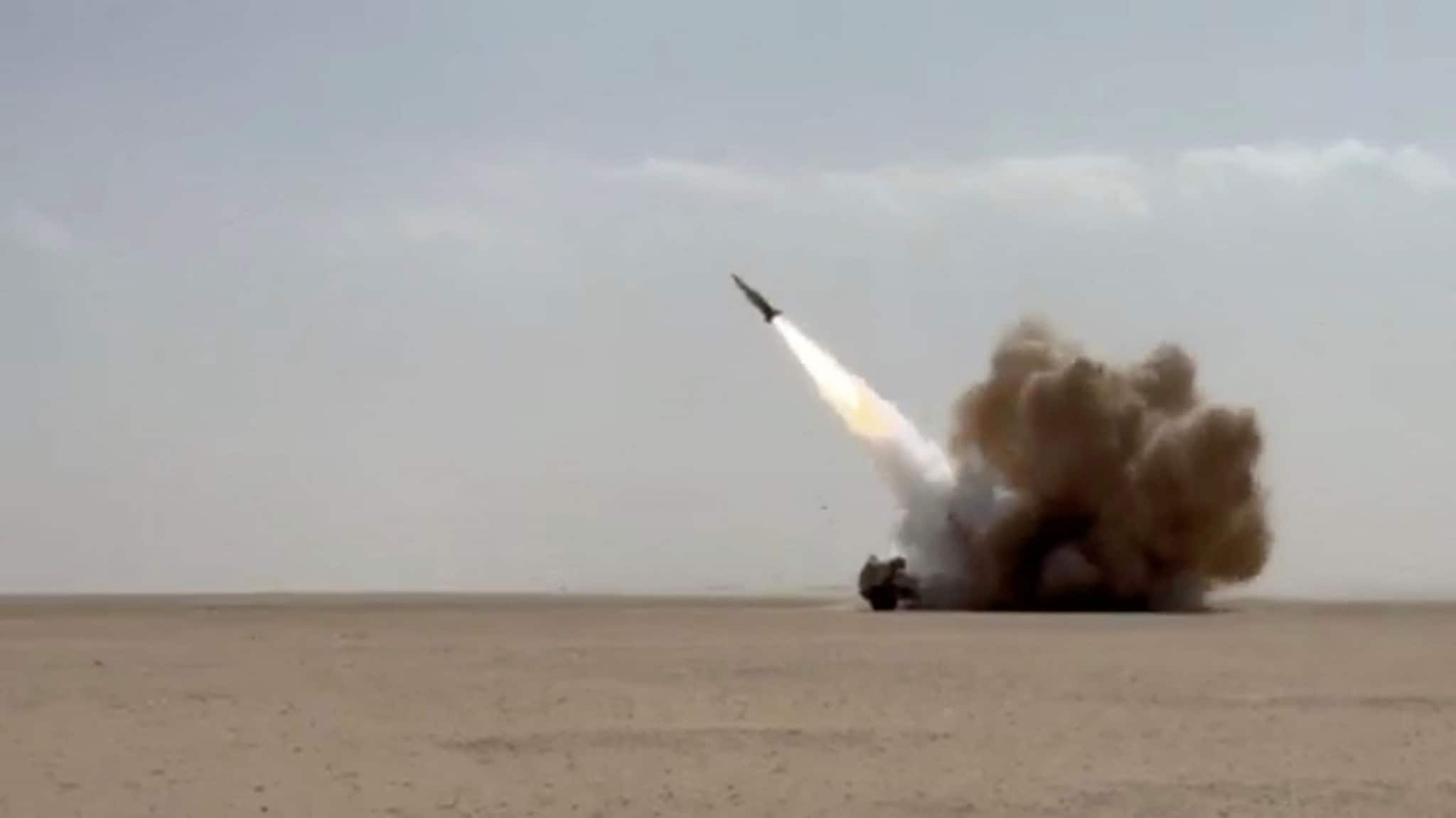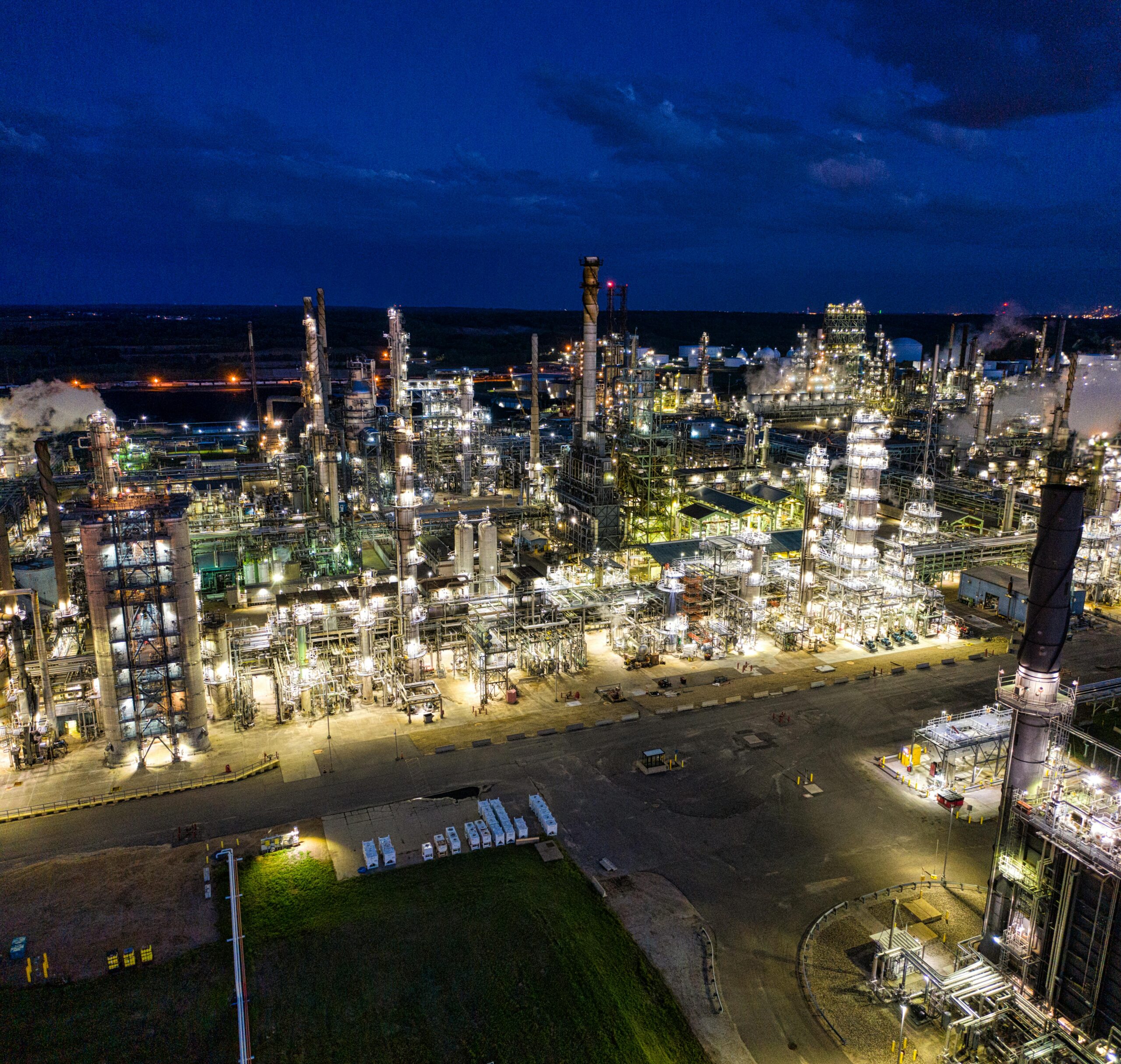
The second strike on Saudi Aramco’s Ras Tanura complex in 48 hours is not just another regional skirmish; it is a calculated assault on the world’s most critical energy artery. On March 4, 2026, an unidentified projectile breached the defenses of the kingdom’s largest refinery, following a drone strike on Monday that had already forced a precautionary shutdown. While the Saudi Ministry of Defense maintains that the latest impact caused no damage, the strategic message is deafening. The facility, which processes 550,000 barrels per day and serves as the primary export terminal for Saudi crude, is no longer the untouchable fortress it was once thought to be. This vulnerability is occurring precisely as the Strait of Hormuz remains effectively paralyzed by an Iranian blockade, leaving the global economy staring at a supply gap that cannot be bridged by mere rhetoric or strategic reserves.
The Myth of Fortress Aramco
For decades, the Saudi energy apparatus relied on a "defense-in-depth" strategy that combined billions in Western anti-air technology with geographical isolation. That era is over. The March 4 attack demonstrates a terrifying reality: precision saturation. When an adversary can launch a persistent sequence of low-cost drones and projectiles, even the most advanced interceptor systems eventually suffer from "magazine exhaustion."
Intelligence reports suggest the projectiles are increasingly difficult to track, utilizing low-altitude flight paths that hug the coastline to evade radar. The Monday strike caused a limited fire that was quickly contained, but the psychological and operational cost of restarting a refinery of this scale is immense. You don't just "flip a switch" on a facility of this complexity. Every shutdown requires painstaking inspections of thermal crackers and distillation units to prevent catastrophic failure upon reheating. By hitting the facility twice in three days, the attackers aren't just trying to blow things up; they are trying to keep the machines cold.
The Hormuz Chokehold and the Failed Bypass
The timing of these strikes is no coincidence. Since the U.S. and Israel launched strikes on Iran on February 28, the Strait of Hormuz has turned into a maritime graveyard. Hundreds of tankers are currently anchored on either side, unwilling to run a gauntlet where Iran has promised to fire on any vessel attempting transit.
Saudi Aramco has attempted to pivot, trying to reroute crude exports via the East-West Pipeline to the Red Sea port of Yanbu. This was supposed to be the kingdom's "Plan B" for a Hormuz crisis. However, the capacity of the Red Sea route is roughly 5 million barrels per day—less than half of what the kingdom typically exports. Furthermore, the Red Sea itself has become a high-risk zone, with recent drone activity making insurance premiums for tankers nearly as expensive as the cargo they carry. The strikes on Ras Tanura on March 4 effectively pin the Saudi export machine against the wall, attacking the point of origin while the exit route is already blocked.
Market Volatility and the Reality of $80 Oil
The initial market reaction was a frantic surge, with Brent crude spiking toward $82 before settling near $79 as the Saudi government issued reassurances. But these numbers are deceptive. They reflect a market that is currently "taking a breath," but the underlying fundamentals are broken.
- Logistics Gridlock: Iraq has already slashed production because its storage tanks are overflowing; they have nowhere to send the oil.
- The LNG Crisis: QatarEnergy halted production on Monday, sending European gas prices up by nearly 50%.
- The Insurance Void: Marine insurers have essentially canceled war-risk coverage for the Gulf. Without this, even if the Strait were "open," no commercial captain would risk the transit.
The U.S. government’s promise to provide naval escorts and state-backed insurance is a significant escalation. It moves the conflict from a regional proxy war to a direct confrontation between the U.S. Navy and Iranian coastal batteries. While markets are currently buoyed by the hope of American intervention, the "Hegseth Doctrine"—named after the U.S. Secretary of Defense—suggests a systematic dismantling of Iranian capabilities that could take weeks, if not months.
The Ghost of Abqaiq
Veteran analysts are drawing immediate parallels to the 2019 Abqaiq-Khurais attacks, which briefly knocked out 5% of global supply. But 2026 is different. In 2019, the global economy was not already reeling from a multi-front conflict involving major powers. Today, there is no spare capacity. Russia is already rerouting its supplies to China and India to capitalize on the vacuum, further fracturing the traditional energy alliance led by Riyadh.
The persistent nature of the strikes on Ras Tanura suggests a shift in Iranian strategy toward "economic attrition." By targeting stabilization plants—the units that remove hydrogen sulfide and bridge the gap between "sour" and "sweet" crude—attackers can render the oil unexportable even if the export terminals remain standing. If the stabilization units at Ras Tanura are compromised, the kingdom’s ability to supply the high-grade crude that Asian and European refineries require will evaporate.
The Silicon Shield is Fraying
The technological aspect of this conflict is perhaps the most disturbing. We are seeing a "democratization" of destruction. The projectiles used in the March 4 strike don't require the industrial base of a superpower. They are being assembled in small workshops, using off-the-shelf GPS components and carbon-fiber frames. This makes the "why" behind the attack clear: Iran and its proxies have realized they don't need to win a naval battle to win a resource war. They only need to make the cost of doing business too high for the West to bear.
As the smoke clears—or rather, as the "all clear" is given for the third time this week—the focus shifts to the upcoming OPEC+ emergency meetings. The traditional levers of power, however, seem stuck. If you cannot move the oil, it doesn't matter how much you can produce. The siege of Ras Tanura is the beginning of a new era where energy security is no longer a matter of reserves, but a matter of surviving the persistent rain of cheap, precise, and relentless fire from the sky.
The kingdom’s ability to maintain its role as the global central bank of oil now depends entirely on whether it can find a way to stop a $20,000 drone from holding a $2 trillion company hostage.
Watch the satellite imagery of the Ras Tanura stabilization racks over the next 48 hours; that is where the real war is being won or lost.