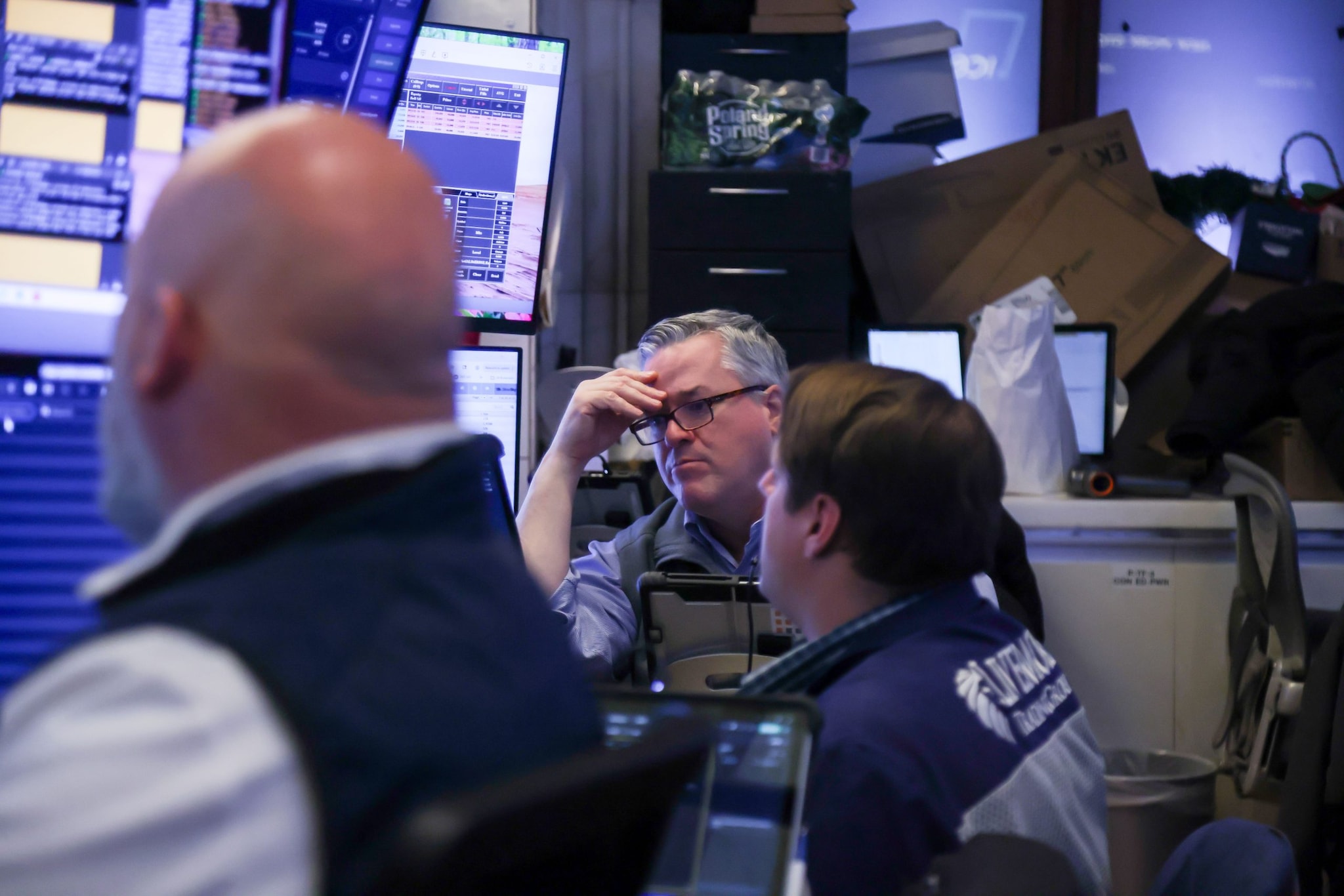
The stock market is doing that thing again where it defies every logical reason to panic. After two days of gut-wrenching volatility sparked by escalating hostilities with Iran, US shares are staging a massive comeback. If you looked at the headlines about missile strikes and the closure of the Strait of Hormuz, you'd expect a sea of red. Instead, the S&P 500 is clawing back its losses, and the Nasdaq is leading a tech-fueled charge that suggests investors are more worried about missing a rally than catching a falling knife.
The S&P 500 climbed 0.8% in afternoon trading on Wednesday, March 4, 2026, while the tech-heavy Nasdaq Composite jumped 1.4%. Even the Dow Jones Industrial Average, which had been the laggard of the group, erased its earlier losses to trade up about 256 points. It’s a classic "risk-on" pivot that happens when the market decides the initial panic was a bit too much.
The Economic Engine Beats the War Drums
Why is the market rising when the news looks so grim? It basically comes down to a blockbuster set of economic reports that hit the tape this morning. While geopolitical experts are focused on drone counts, traders are looking at the ISM Services report and the ADP employment data.
Growth in the US services sector—which covers everything from finance to real estate—just accelerated at its fastest pace since the summer of 2022. This isn't just a minor beat; it’s a signal that the American consumer and business environment is incredibly sturdy. At the same time, the ADP report showed that private employers are still hiring at a healthy clip ahead of Friday's big nonfarm payrolls numbers.
When you combine strong growth with the fact that service-side inflation is actually cooling, you get a "Goldilocks" scenario. Investors are betting that even if energy prices stay volatile, the underlying US economy is too strong to be knocked off course by regional instability in the Gulf.
Crude Oil Cools Down
Oil has been the primary driver of fear this week. Brent crude briefly touched $84 per barrel after the South Korean Kospi index suffered a historic 12% crash, but the panic didn't stick. As trading moved into the New York session, Brent eased back to around $81.50.
The market is starting to price in a "contained conflict" rather than a global energy meltdown. While shipping through the Strait of Hormuz has slowed to a crawl—with vessel traffic down roughly 95%—the US domestic energy sector is acting as a massive buffer. WTI prices are oscillating around $74, and unless we see a direct hit on major production facilities, the "war premium" on crude seems to be hitting a ceiling.
Tech is the New Safe Haven
It sounds counterintuitive, but in 2026, big tech has become the place people hide when things get weird. The Nasdaq’s 1.4% gain today isn't just about speculation; it's about the fact that companies like Microsoft and Broadcom have balance sheets that look more like sovereign nations than corporations.
- Broadcom (AVGO): Shares are in focus ahead of their earnings report today, with investors looking for proof that AI infrastructure spending hasn't peaked.
- Nvidia: After a 5% dip earlier in the week, the chip giant is seeing renewed buying interest as valuations look more attractive following the brief correction.
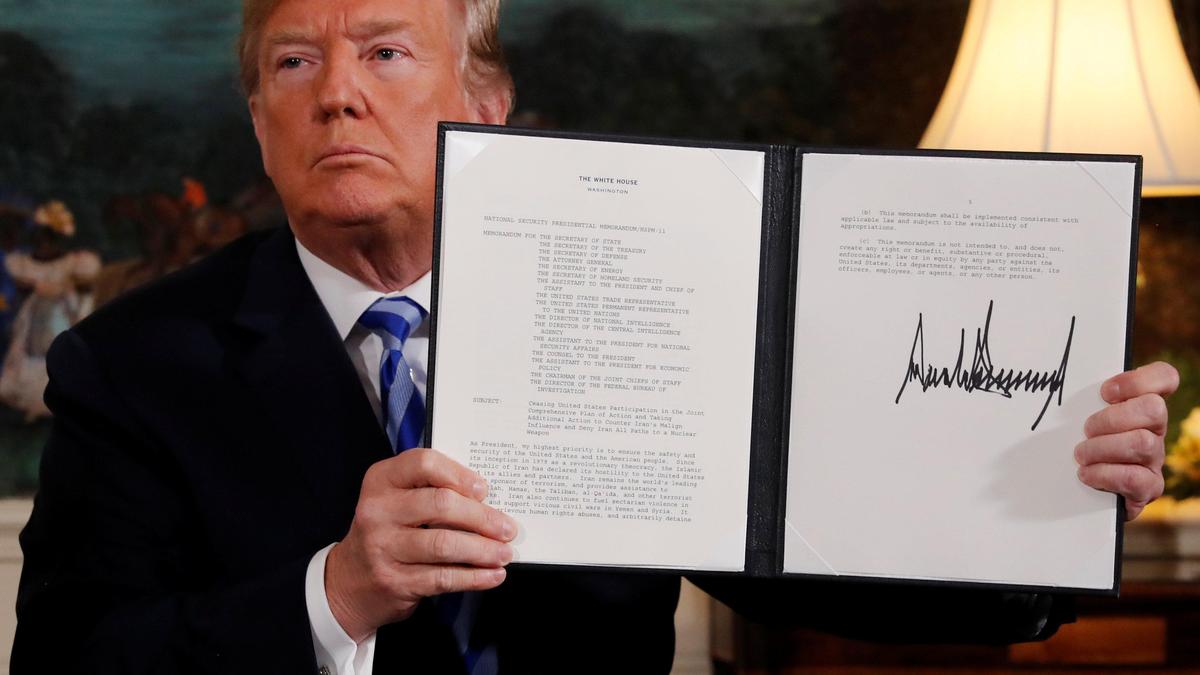
- Coinbase (COIN): Up over 14% after Bitcoin breached $73,000. The crypto rally is being fueled by a mix of "digital gold" hedging and political tailwinds following President Trump’s endorsement of the Clarity Act.
The 100-day moving average for the S&P 500 was briefly breached on Tuesday for the first time in months. For technical traders, that was a "buy the dip" siren. The fact that the index is now trading back above that level suggests the long-term uptrend is still very much intact.
The Fed and the 2026 Rate Map
The Federal Reserve is the elephant in the room. Before this week’s chaos, the consensus was that Jerome Powell would hold rates steady in March. Now, the math is getting complicated. If oil prices spike again, it could reignite inflation, forcing the Fed to keep rates higher for longer.
However, the current bond market isn't showing signs of extreme stress. The 10-year Treasury yield is sitting around 4.06%. It’s up, but it’s not skyrocketing. The market is effectively telling the Fed: "We can handle 3.5% to 3.75% rates as long as the economy keeps growing."
One thing to watch is the looming change in Fed leadership. Jerome Powell’s term ends in May, and the uncertainty of a new Chair usually makes the market twitchy. For now, the "wait and see" approach is the dominant strategy, especially with the jobs report coming on Friday.
What You Should Do Now
Don't let the 24-hour news cycle dictate your portfolio. If you sold everything on Monday when the Iran news broke, you missed today's 1.4% Nasdaq bounce.
Keep an eye on the Friday jobs report. If we see a number around 54,000 to 60,000, it confirms the "soft landing" narrative and could give this rally more legs. If you're looking for sectors that are actually benefiting from the current mess, look at US-based chemical companies like Dow Inc. (+3%) and LyondellBasell (+4.5%). They’re seeing margin expansion as international competitors struggle with higher energy costs and supply chain disruptions.
The trend for 2026 remains clear: the US economy is the cleanest shirt in a very dirty global laundry basket. Use the volatility to pick up high-quality tech and service stocks when they hit their moving averages, but keep your hedges in place until the situation in the Gulf reaches a definitive stalemate. Managers at firms like J.P. Morgan are still calling for double-digit gains this year; today’s rebound is just another step on that very bumpy road.