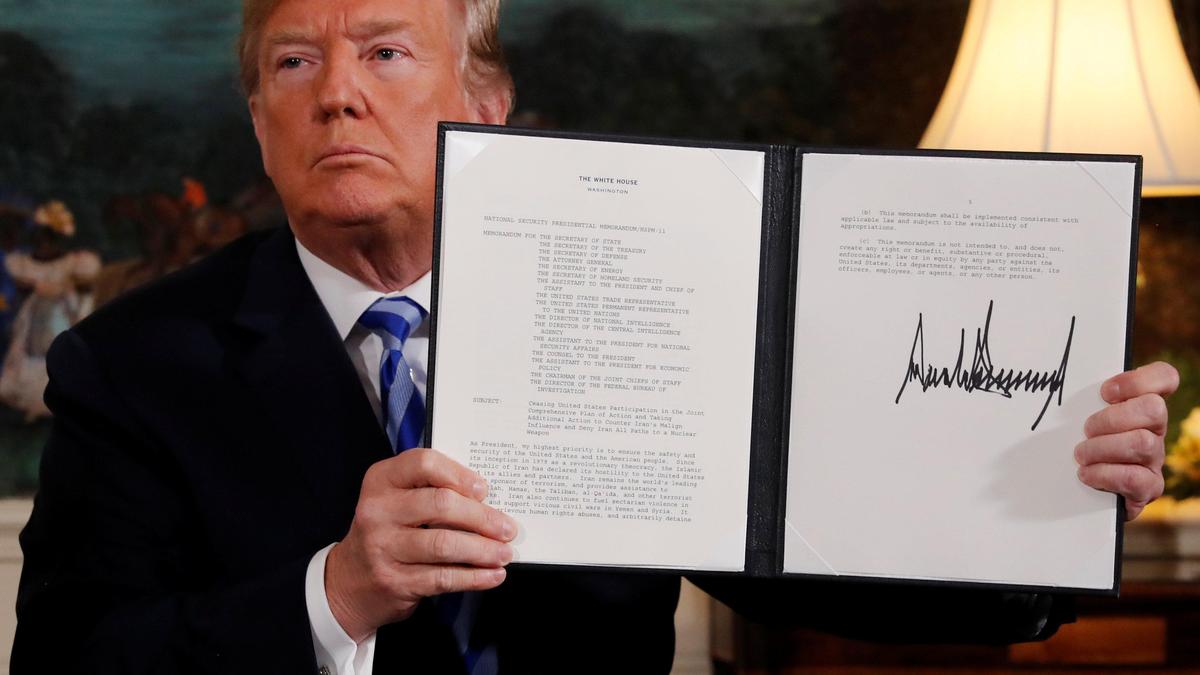
You’ve likely seen the headlines about the strikes in the Middle East, but the real fallout for you might happen at an ATM or on your banking app. Following the joint U.S. and Israeli military operations against Iran on February 28, 2026—which targeted leadership and nuclear sites—the battlefield has shifted. It’s no longer just about missiles in the desert; it’s about code in the cloud. U.S. financial institutions are currently on their highest alert level in years.
Security teams at major banks aren't just worried about a few glitches. They're looking for signs of state-sponsored retaliation designed to cripple the American economy. While the physical war is happening thousands of miles away, the digital counter-offensive is already knocking on the door of Wall Street and Main Street.
The Digital Front Line in 2026
Iran has a long memory and a very specific playbook for cyber warfare. In the past, they’ve gone after the biggest names in finance with relentless Distributed Denial of Service (DDoS) attacks. Remember the 2012-2013 "Operation Ababil"? That campaign took down the websites of Bank of America, JPMorgan Chase, and Wells Fargo for hours at a time.
Today, the threat is more sophisticated. We aren't just talking about slow websites. We're talking about wiper malware—malicious code designed to permanently delete data rather than just lock it up for ransom. If a major clearinghouse or a settlement system gets hit with a wiper, the "paper trail" of billions of dollars could vanish. That’s the nightmare scenario keeping CISOs awake right now.
Who is attacking
The actors aren't always wearing uniforms. Iran uses a "proxy" model that gives them plausible deniability. You need to watch out for these groups:
- MuddyWater (APT34): Linked to the Iranian Ministry of Intelligence, they’re famous for social engineering and stealing credentials.
- Cotton Sandstorm: An IRGC-affiliated group that has recently revived "hacktivist" personas like the Altoufan Team to strike Western infrastructure.
- Cyber Islamic Resistance: A coordination hub for various hacktivist teams that specializes in synchronized DDoS and website defacement.
Why the Financial Sector is the Primary Target
You might wonder why they don't just target the military. The answer is simple: psychological impact. If you can't access your paycheck on Friday morning, or if your credit card gets declined at the grocery store because of a "system outage," the government feels immediate, domestic pressure.
Banks are the "soft underbelly" of U.S. power. The financial services industry operates the plumbing of the global economy—payments, trading platforms, and Treasury markets. A disruption here isn't just a business problem; it’s a national security crisis. Intelligence reports from early March 2026 suggest that while Iran’s internal internet is at 4% capacity due to blackouts, their external "forward-deployed" cyber assets in neutral countries are fully active.
Moving Beyond Basic Phishing
Don't expect a poorly spelled email asking for your password. The 2026 threat landscape involves AI-enhanced spear-phishing. Attackers are using large language models to scrape your LinkedIn profile, your public's company filings, and even your social media to craft a "perfect" message from a colleague or a regulator.
They’re also targeting software supply chains. Instead of attacking a bank directly, they might compromise a small third-party vendor that provides a specific plugin for the bank's customer portal. It’s a side-door entry that often goes unnoticed until it's too late.
What Banks Are Doing Right Now
If you work in finance or fintech, the "business as usual" sign has been taken down. Banks have shifted into a defensive posture that involves several immediate steps.
- Hardening the Perimeter: Teams are aggressively patching "KEV" (Known Exploited Vulnerabilities) on any internet-facing system.
- MFA Everything: If it doesn't have phishing-resistant Multi-Factor Authentication (MFA), it’s being shut down or isolated. "MFA fatigue" attacks—where an attacker spams your phone with login requests until you accidentally hit "Approve"—are a major focus for employee training right now.
- Geofencing and Monitoring: Many institutions are temporarily blocking or strictly scrutinizing all traffic originating from specific Middle Eastern IP ranges or known proxy nodes.
- Immutable Backups: This is the "break glass" solution. Banks are ensuring their most critical data is stored in "offline" or "immutable" vaults that can't be deleted by wiper malware, even if the main network is compromised.
The Reality of "Hybrid" Warfare
It's important to realize that these cyberattacks don't happen in a vacuum. They're often timed with physical events or disinformation campaigns. We've seen reports of "synthetic personas" on social media spreading rumors about bank runs or ATM failures to trigger panic. This is "perception hacking." Even if the bank's systems are 100% fine, if they can make you believe they aren't, they've won that round.
How You Can Protect Your Own Assets
You don't have to be a helpless bystander while the giants clash. There are practical things you should do this week to ensure your personal finances stay secure.
- Turn on hardware-based MFA: Move away from SMS-based codes. Use an app like Google Authenticator or a physical YubiKey if your bank supports it.
- Check your "Impossible Travel" alerts: Most banks have a setting to alert you if a login happens from a distant location. Make sure those notifications are hitting your phone, not a junk email folder.
- Diversify your access: Don't keep every single cent in one digital-only bank. Having a secondary account with a different institution—and perhaps a bit of "emergency cash"—is just common sense in a high-threat environment.
- Update your edge devices: If you have a home office, ensure your router and VPN are fully patched. State actors often use home networks as "jump points" to reach corporate targets.
The situation is moving fast. We're in a window of high risk that experts believe will last at least through the end of March 2026. Stay skeptical of urgent emails and keep a close eye on your transaction history. The best defense against a state-sponsored hacker is a vigilant user who refuses to click the bait.
Check your bank's official communication channels for updates on system maintenance and security protocols.