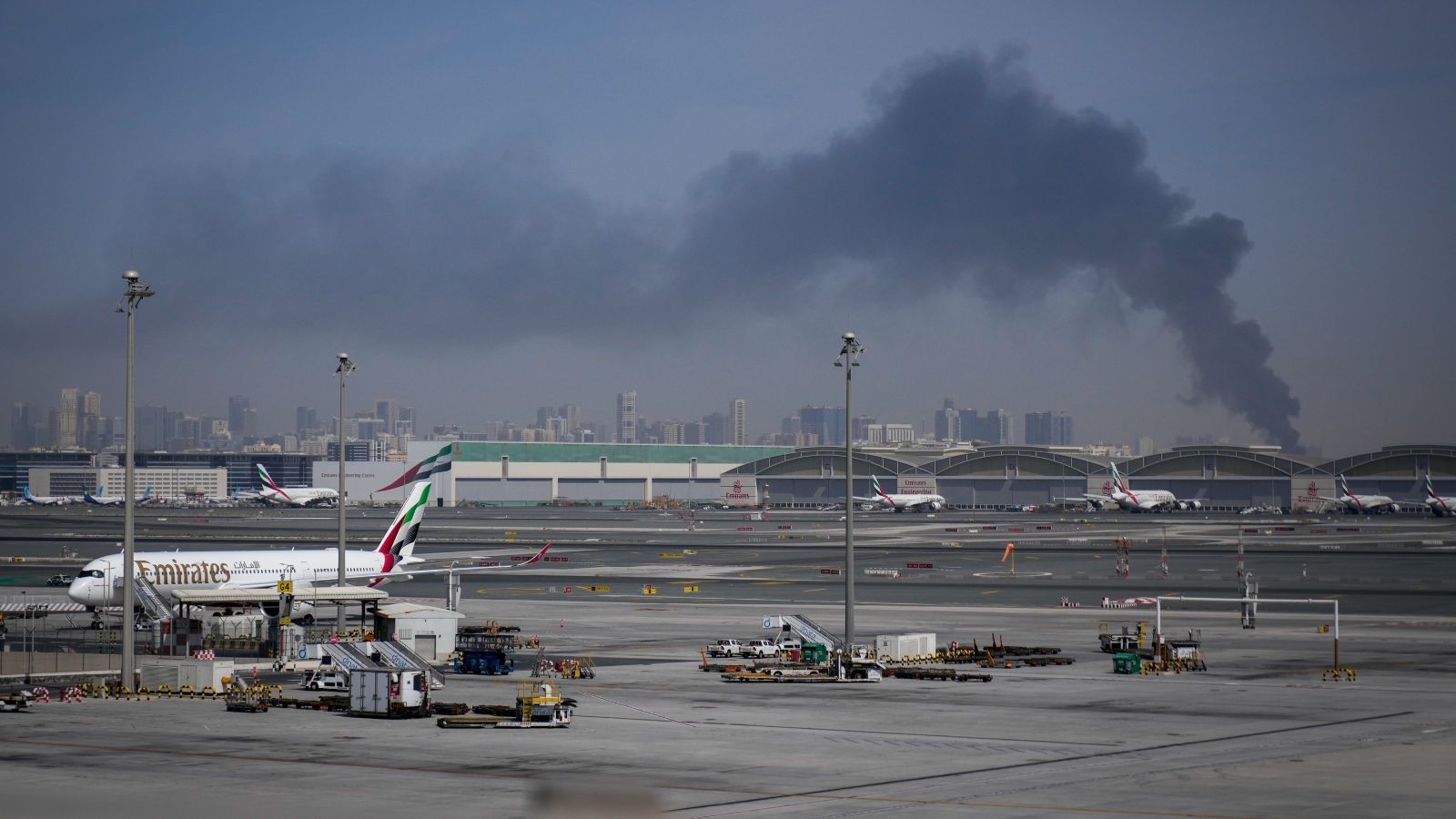
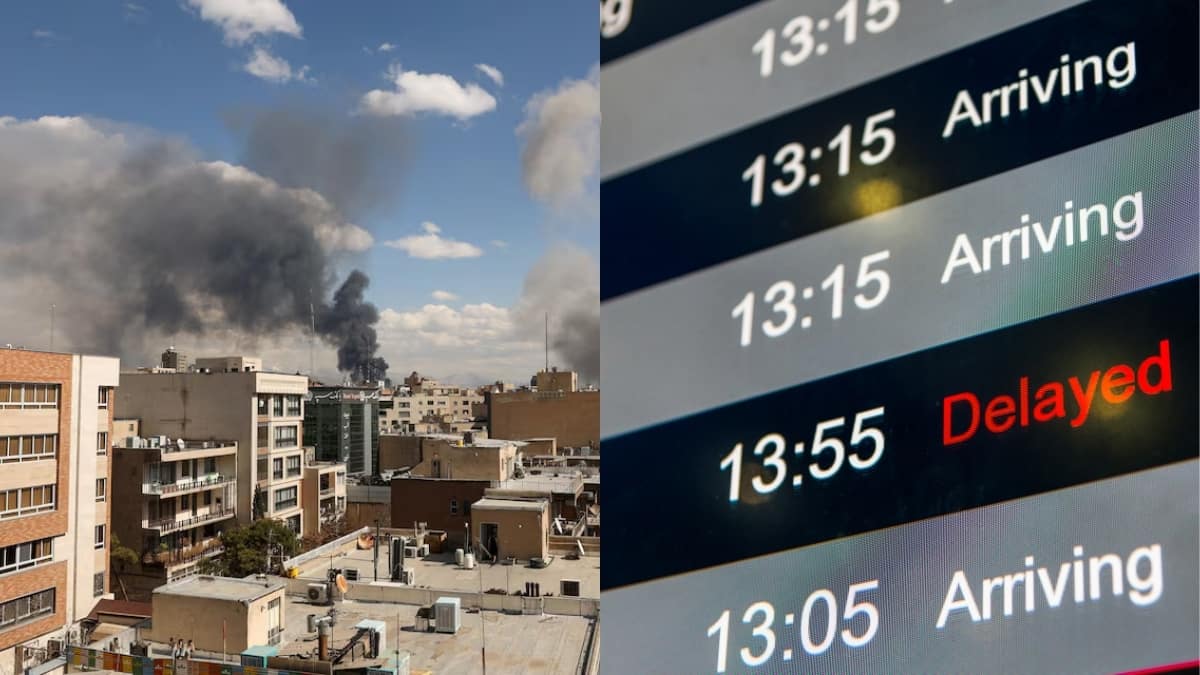
The return to "normalcy" in a global transit node like Dubai is not a binary state but a complex realignment of three interdependent systems: physical infrastructure clearance, algorithmic scheduling restoration, and consumer confidence calibration. When extreme weather events or geopolitical shifts destabilize these systems, the recovery phase often conceals lingering structural vulnerabilities. Understanding the current state of Dubai’s tourism and aviation sectors requires looking past the surface-level reopening of malls and examining the mechanical bottlenecks that dictate the pace of a true systemic reset.
The Triple Constraint of Aviation Recovery
Aviation hubs operate under a triple constraint of crew duty limitations, airframe positioning, and slot management. When a disruption occurs, the primary challenge is not the presence of water on a runway, but the geographical displacement of assets.
- The Displacement Factor: Aircraft are often diverted to "outstations"—secondary airports lacking the maintenance or refueling throughput of a primary hub. Returning these assets to the hub requires a logistical cascade where every minute of delay in the first flight compounds across the entire network.
- Crew Legalities: Aviation safety regulations mandate strict rest periods. A pilot stuck in a hotel for 24 hours due to a grounded flight cannot simply start their shift the moment the weather clears. The "rest clock" creates a rolling deficit of available man-hours that can take 72 to 120 hours to normalize.
- The Baggage Backlog: While passengers move through digital systems, physical luggage follows a linear path. A hub processing 80 million passengers annually cannot easily absorb a three-day backlog of 500,000 bags. This creates a secondary crisis: the "dead-head" transport of luggage on passenger-empty flights, which eats into cargo revenue and weight-and-balance limits.
The Economic Elasticity of Dubai Tourism
Dubai’s tourism model relies on a high-velocity throughput. Unlike "staycation" markets, Dubai functions as a global transfer point where approximately 60% of arrivals are in transit. The economic impact of a disruption is therefore felt in the "In-Stay Expenditure" (ISE) rather than just ticket sales.
The Variance in Tourist Archetypes
The recovery of the tourism sector is segmented by the traveler's objective:
- The Transit Opportunist: This traveler spends 12–48 hours in the city. Their behavior is highly sensitive to flight reliability. If the hub shows signs of congestion, this segment bypasses the city entirely, opting for direct routes or alternative hubs like Doha or Istanbul.
- The Destination Loyalists: These are long-stay visitors (5–10 days). Their demand is inelastic in the short term because they have pre-paid for luxury accommodations. Their "normalcy" is defined by the availability of high-end retail and dining, which typically recovers faster than the aviation network due to localized drainage and staffing solutions.
- The Business/MICE Segment: Meetings, Incentives, Conferences, and Exhibitions (MICE) are the most volatile. A canceled keynote or a delayed trade show floor can result in a permanent loss of revenue for that fiscal quarter, as these events cannot be easily rescheduled within the same seasonal window.
The Data Gap in "Normalcy" Metrics
Standard reporting often uses "Flight Volume" as a proxy for recovery, but this is a flawed metric. A 95% flight resumption rate does not account for the Load Factor (the percentage of seats filled) or the Yield (the profit per seat).
The Yield Erosion Phenomenon: To stabilize the network after a crisis, airlines often issue vouchers or rebook passengers at zero additional revenue. This means that while planes are flying, they are effectively "debt-clearing" rather than generating new cash flow. For the city, a plane full of rebooked, frustrated passengers has a lower economic multiplier than a plane full of new, high-intent tourists.
Structural Bottlenecks in Urban Drainage and Logistics
The physical return to normalcy involves more than just clearing roads. Dubai’s rapid urban expansion has historically prioritized vertical density and aesthetic connectivity over subsurface hydrological management.
- Pumping Station Saturation: When rainfall exceeds decadal averages, the soil—which is largely non-porous—cannot facilitate natural drainage. This forces a reliance on mechanical pumping. The bottleneck occurs when the discharge points (the sea or designated reservoirs) reach capacity.
- Supply Chain Latency: Dubai imports a significant majority of its luxury goods and food supplies. Road closures and port delays create a 48-to-72-hour lag in the restocking of high-end perishables. While a tourist may see an open restaurant, the menu may be limited by these "invisible" supply chain fractures.
The Algorithmic Trust Deficit
The most significant "lingering concern" is the erosion of algorithmic trust. Modern travelers rely on AI-driven pricing and scheduling. When a hub experiences a "black swan" event, the pricing algorithms often spike due to perceived scarcity, while the scheduling algorithms fail to account for ground-level realities.
This creates a Sentiment Lag. Even after the water recedes and the planes fly, the digital footprint of the crisis—social media posts of flooded malls or stranded passengers—remains in the search results for weeks. This digital "scar tissue" suppresses booking intent for the subsequent 30-to-60-day window.
Strategic Realignment and Future Hardening
To transition from a reactive state to a resilient state, the following structural pivots are required:
- Hydrological Infrastructure Upgrades: Shift from localized pumping to a centralized, gravity-fed deep-tunnel stormwater system, similar to the "G-Cans" project in Tokyo. This reduces the reliance on fuel-dependent mobile pumps during peak events.
- Aviation Buffer Capacity: Increasing the "Spare-to-Active" ratio of ground handling equipment. Most hubs optimize for 90% utilization; resilience requires an "idling" capacity that can be activated during 100% load surges.
- Unified Communication Protocols: Eliminating the discrepancy between airline apps, airport screens, and government announcements. A single "source of truth" API for transit status reduces the panic-buying of alternative transport, which often clogs secondary infrastructure.
The recovery of Dubai is currently in a state of Mechanical Stability but Economic Fragility. The physical systems are operational, but the financial and reputational engines require a period of "calm-state" performance to regain their previous momentum. The true test of normalcy is not the first flight to land after a storm, but the first week where the network operates without a manual override of its automated systems.
Investors and travelers should monitor the Baggage Reconnection Rate and Hotel Occupancy Variance as the two most honest indicators of a return to baseline. If baggage is still lagging behind passenger arrival by more than six hours, the system is still in a state of hidden congestion.