The room smells of stale sweat and desperation. For Mark, a fictional but very real representation of the thousands trapped in the opioid cycle, the world has narrowed down to a single, pulsing need. His veins feel like they are filled with powdered glass. Every joint screams. This is the "sick"—the physical debt of addiction that must be paid every few hours, or else.
He has tried everything. Methadone felt like liquid handcuffs. Suboxone was just a different cage. He is looking for an exit, not a management plan.
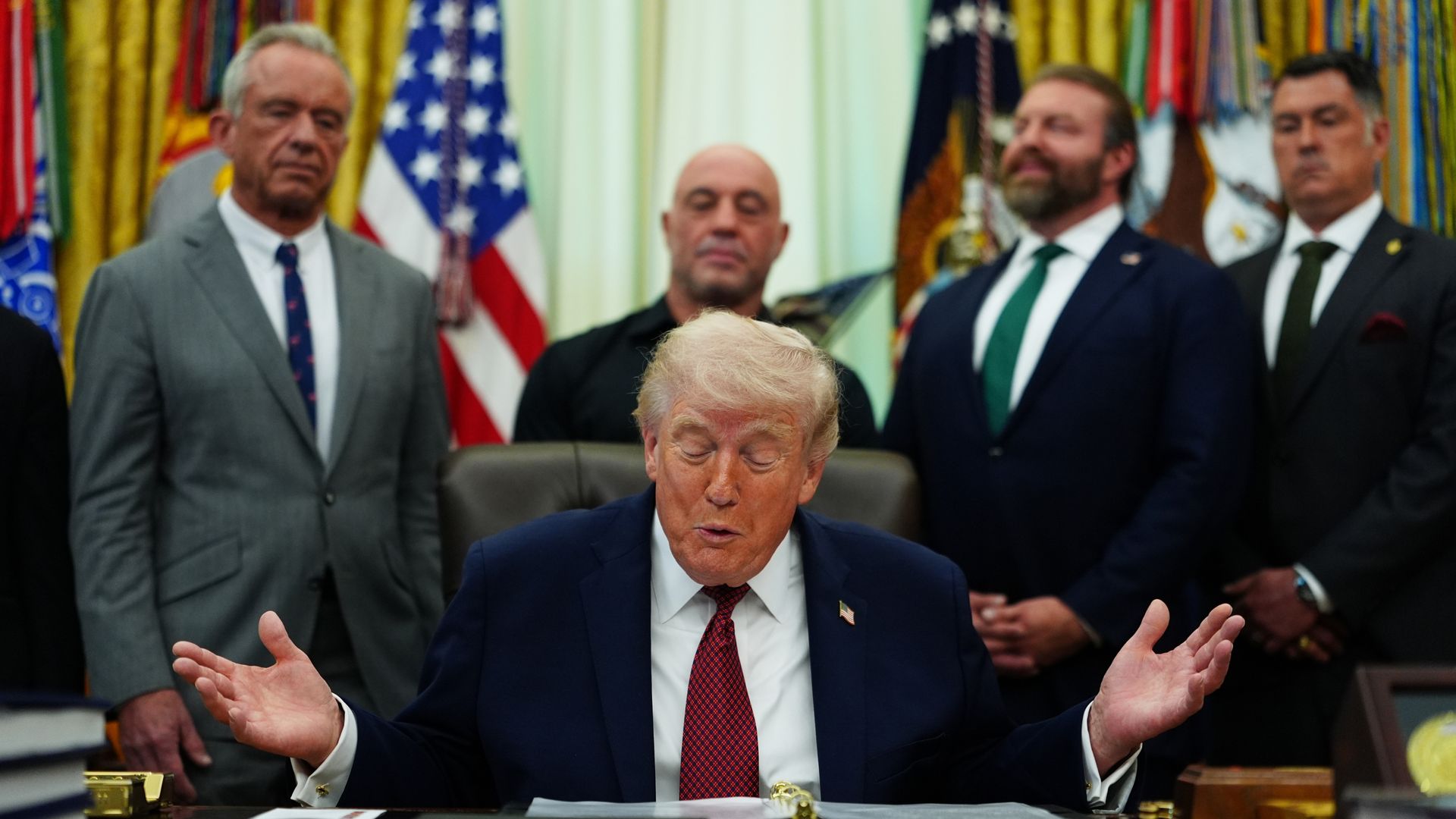
Across the ocean, in a clinic in Gabon or perhaps a clandestine basement in Mexico, there is a chemical bark called ibogaine. It is a powerful psychedelic derived from the Tabernanthe iboga shrub, native to Central Africa. For centuries, the Bwiti religion has used it as a rite of passage. Now, it sits at the center of a political firestorm in Washington. With the Trump administration signaling a radical shift toward "fast-tracking" unconventional treatments, ibogaine is moving from the underground to the Oval Office.
But this isn't just another drug. It’s a biological reset button with a price tag that might include your life.
The Chemistry of a Clean Slate
Addiction is a physical rewiring. Imagine your brain as a dense forest where the paths of habit have been trodden so deeply they’ve become trenches. You can’t walk anywhere else. Opioids hijack the mu-opioid receptors, dulling pain and amping up dopamine until the brain forgets how to produce joy on its own.
Ibogaine works differently than anything in the Western cabinet. Most recovery drugs are agonists or antagonists; they either mimic the drug to prevent withdrawal or block the high. Ibogaine is a wrecking ball.
When it enters the system, it converts into a compound called noribogaine. This substance appears to "reset" the brain’s neurochemistry. It doesn’t just block the receptors; it seems to repair the communication lines. In a matter of hours, patients often report that their physical withdrawal symptoms—the bone-deep aches, the vomiting, the tremors—simply vanish.
It provides a window. A brief, shimmering moment where the physical craving is silenced, allowing the person to actually think.
However, the experience is grueling. This isn't a "trip" in the recreational sense. It is a thirty-hour waking dream, often involving intense "life reviews" where users are forced to confront their traumas in vivid, cinematic detail. Imagine being locked in a cinema for two days, forced to watch every mistake you’ve ever made, while your heart rate fluctuates wildly.
The Heart of the Matter
The danger is not metaphorical. It is cardiac.
Ibogaine is known to cause long QT syndrome, a condition where the heart's electrical system takes longer than usual to recharge between beats. If that rhythm slips too far, the heart stops. Dead.
This is why the FDA has kept it classified as a Schedule I substance for decades. In the eyes of traditional medicine, the risk-to-reward ratio is skewed. Why risk a fatal heart attack to treat a condition that "could" be managed with safer, albeit slower, methods?
The counter-argument comes from the families of those who didn't survive the "safer" methods. They point to the 100,000 Americans dying every year from overdoses. To them, the "safe" path is a graveyard. They see ibogaine not as a reckless gamble, but as a calculated risk in a war they are already losing.
The political momentum is shifting because the status quo has failed so spectacularly. When the Trump administration looks at ibogaine, they aren't looking through the lens of cautious clinical trials that take fifteen years to reach a conclusion. They are looking at "Right to Try" laws and a populist demand for immediate, disruptive solutions.
The Gabon Connection and the Patent Problem
We must look at where this comes from to understand why it’s so hard to regulate. The Bwiti people treat iboga as a sacred spirit. To them, the Western medicalization of their sacrament is a strange, often disrespectful pursuit. They see the "reset" not as a chemical reaction, but as a spiritual reconciliation.
When Westerners fly to illicit clinics, they are participating in a gray market that straddles the line between life-saving medicine and dangerous exploitation. Because ibogaine is a natural plant extract, it is difficult to patent. Big Pharma generally avoids things they can't own. Without the promise of a billion-dollar patent, the incentive to fund the massive, multi-million dollar safety trials required by the FDA disappears.
This has left ibogaine in a purgatory of anecdotes. We have thousands of stories of "miracle" recoveries, but very little hard data that satisfies the white-coated gatekeepers of American health.
If the government moves to make it available, they are bypassing the traditional scientific liturgy. They are saying that the emergency is so great that we will build the plane while it’s in the air.
A Hypothetical Tuesday in the New Era
Imagine a world where this drug is legal. It’s a Tuesday morning. Mark—our guy from earlier—walks into a certified clinic. He isn't given a prescription to take home. He is hooked up to an EKG. A doctor stands by with a defibrillator.
He swallows the capsule.
For the next two days, he is gone. He travels through the architecture of his own grief. He sees the moment he first felt small, the moment he first felt the needle's relief, and the decade of shadows that followed.
On Thursday, he walks out. The "sick" is gone. His brain feels quiet for the first time in ten years.
But here is the truth that often gets lost in the hype: ibogaine is not a cure for addiction. It is a cure for withdrawal.
The drug can clear the receptors, but it cannot fix the broken life the user returns to. If Mark goes back to the same couch, the same friends, and the same lack of purpose, the trenches in his brain will start to reform. The "reset" only matters if you start walking in a new direction.
The Weight of the Choice
We are standing at a crossroads of medical ethics. On one side stands the Precautionary Principle: do no harm. Don't legalize a drug that can stop a heart. Wait for the data. Protect the public from their own desperation.
On the other side stands a raw, bleeding Utilitarianism: people are already dying by the hundreds of thousands. If a drug carries a 1% risk of death but offers an 80% chance of breaking a cycle that has a 100% chance of eventual overdose, isn't it immoral not to offer it?
The move to fast-track ibogaine is a rejection of the slow, careful march of institutional science. It is a high-stakes bet on a radical botanical.
It's easy to debate the merits of psychedelic policy in a well-lit office or a comment section. It's much harder when you are the one watching the clock, waiting for the "sick" to return, knowing that your next dose might be your last—or that your only hope is a drug the law says you aren't allowed to have.
The tragedy isn't just the addiction. It's the silence between the heartbeats of a person caught in the middle. We are finally forced to ask what we value more: the safety of the protocol or the survival of the patient.
The answer will define the next decade of American life. It will be written in the rhythm of hearts that either keep beating or stop forever in the pursuit of a clean slate.