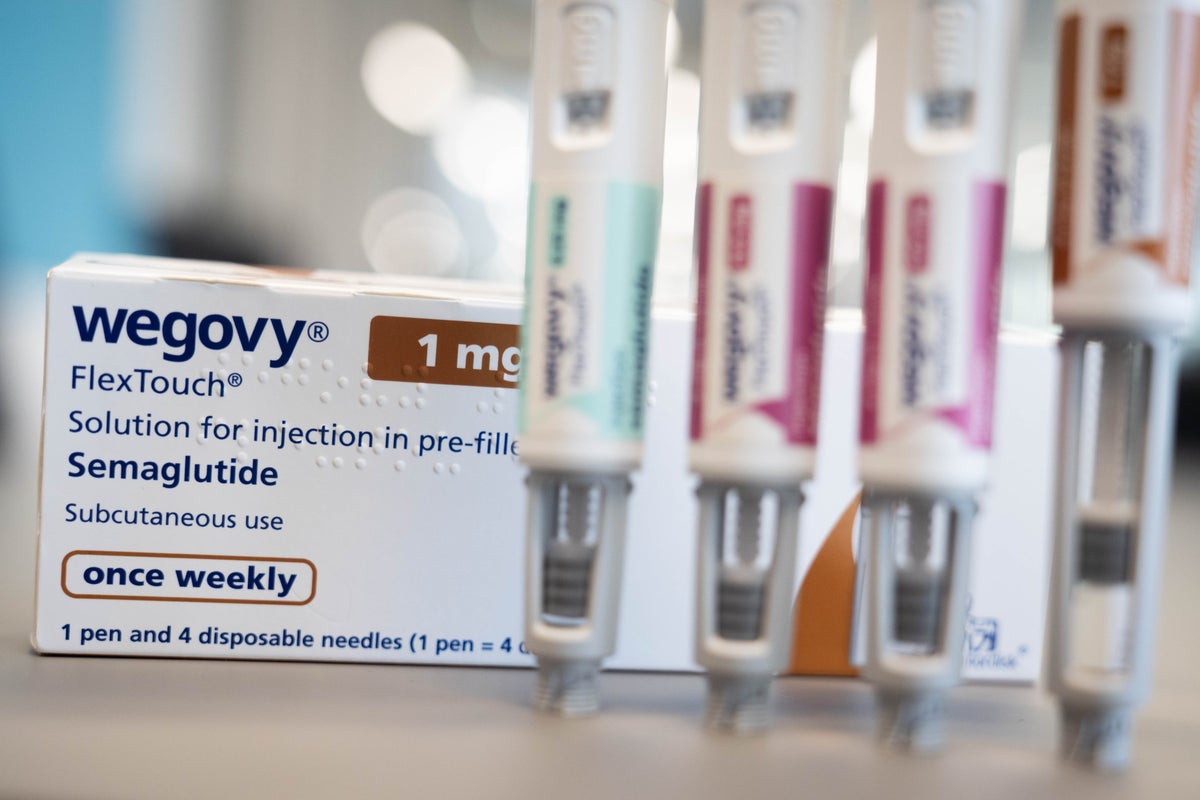
Mary sits on the edge of a reinforced chair in a clinic that smells faintly of lemon bleach and old magazines. She is sixty-six years old. Her knees ache with a dull, grinding persistence that makes every grocery trip feel like a trek across the tundra. For years, her doctor has talked about "management." They discussed diet. They discussed willpower. They discussed the metabolic lottery she seemed to have lost decades ago. Now, for the first time in her life, there is a tool that actually works—a weekly injection that quiets the "food noise" in her brain and lets her body finally shed the weight that is crushing her joints.
But there is a problem. The medicine costs more than her mortgage. And the government just hit the pause button. Meanwhile, you can read related stories here: Why Cancer Cases Hit a Record High and What You Can Actually Do About It.
The Pilot Light Goes Out
In the final weeks of the previous administration, a small window of hope cracked open. A pilot program was drafted to allow Medicare to begin covering weight-loss drugs like Wegovy and Zepbound. It was a crack in the dam of a decades-old policy that viewed obesity not as a chronic disease, but as a lifestyle choice or a cosmetic vanity. To people like Mary, that pilot program wasn't just a policy memo. It was a lifeline. It was the possibility of walking to the park without a cane.
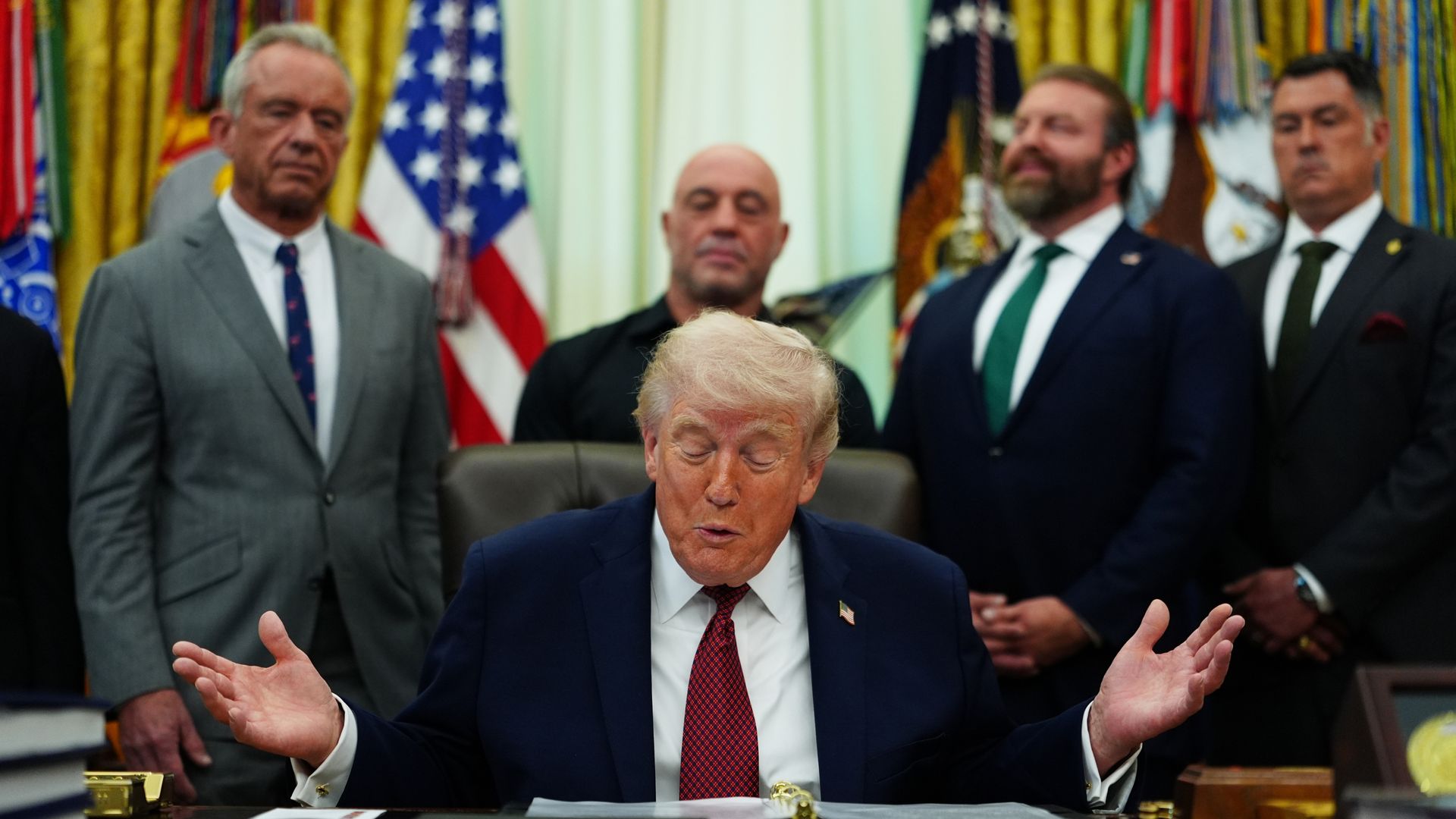
Then the new team moved into the White House. To explore the full picture, check out the detailed report by WebMD.
The incoming administration has officially delayed that pilot program. The reason cited is a need for further review, a desire to "assess the fiscal impact" and ensure the program aligns with broader healthcare goals. In the sterile language of Washington, "review" is often a synonym for "limbo." The paperwork is shelved. The data sets are sent back for another round of scrubbing. Meanwhile, the clock in the waiting room keeps ticking.
The delay isn't just about a change in leadership. It’s about a fundamental tension in how we value human health versus how we balance a checkbook.
The Price of Biology
To understand why this delay matters, you have to look at the math that keeps policymakers up at night. These drugs, known as GLP-1 agonists, are expensive. We are talking about $1,000 to $1,300 a month. There are roughly 65 million people on Medicare. If even a fraction of them qualify and sign up, the projected costs reach into the tens of billions.
It is a number so large it loses its meaning. It becomes an abstraction.
But consider the other side of the ledger. Consider the cost of not treating the Marys of the world. Chronic obesity is the primary engine behind type 2 diabetes, heart disease, sleep apnea, and dozens of cancers. We are currently paying for the consequences. We pay for the triple bypass surgeries. We pay for the dialysis treatments. We pay for the motorized wheelchairs and the long-term nursing care required when a body finally gives out under its own weight.
We are essentially choosing to pay for the fire instead of the smoke detector.
The delay of the pilot program suggests a fear of the upfront bill. It’s the equivalent of a homeowner refusing to fix a leaking pipe because the plumber is expensive, while the water slowly rots the floorboards and compromises the foundation. The "fiscal impact" of obesity is already here. It’s just hidden in different line items.
The Ghost of 2003
The hesitation to cover these drugs is rooted in a law passed over twenty years ago. When Medicare Part D was created in 2003, Congress explicitly prohibited the program from covering "agents when used for anorexia, weight loss, or weight gain."
Back then, the medical community's understanding of obesity was vastly different. It was seen as a failure of character. The available weight-loss drugs of that era were often dangerous or ineffective—think of the "fen-phen" disaster. Legislators didn't want the government picking up the tab for people trying to fit into a smaller swimsuit.
Times changed. Science moved on. Our laws did not.
The new class of GLP-1 drugs has proven that obesity is largely a hormonal and neurological battle, not just a struggle of "won't-power." These medications don't just burn fat; they rewire the signaling between the gut and the brain. They treat the underlying biology. Yet, because of that 2003 ghost, the government must jump through immense legal hoops or launch specific "pilot programs" to bypass the ban.
When the Trump team pauses the pilot, they aren't just reviewing a new idea. They are retreating into a two-decade-old fortress of outdated logic.
The Human Cost of Hesitation
Imagine you are a physician in a rural clinic. You have a patient whose BMI is 42. He has high blood pressure and pre-diabetes. You know, with mathematical certainty, that if he loses fifty pounds, his risk of a stroke drops precipitously. You have the prescription pad in your hand. You know exactly which drug will help him.
Then you look at his insurance card.
He is on Medicare. He lives on a fixed income. He cannot afford $12,000 a year out of pocket. You put the pad down. You tell him to try "walking more," even though his back is in constant spasms. You feel like a mechanic looking at a broken engine, holding the exact part needed to fix it, but being told by the shop owner that you aren't allowed to use it because it’s "too modern."
That is the daily reality of healthcare providers across the country. The delay isn't a neutral act. It is a decision that has a physical consequence for millions of people.
There is also the issue of equity. Right now, these "fat shots" are becoming a luxury good. If you are wealthy, you pay out of pocket and get healthy. If you are on a high-end private insurance plan, your employer might cover it. But if you are a senior citizen or a low-income individual relying on government-funded care, you are locked out. We are inadvertently creating a two-tiered society where the ability to live a long, healthy life is determined by the thickness of your wallet.
The Argument for the Pause
To be fair, the administration's skepticism isn't entirely without merit. The pharmaceutical companies that manufacture these drugs—namely Novo Nordisk and Eli Lilly—are making record profits. There is a legitimate argument that the government should use its massive bargaining power to force the prices down before opening the floodgates.
If Medicare begins covering these drugs at their current retail price, it could bankrupt parts of the system or lead to higher premiums for everyone else. There is a "gold rush" mentality right now, and the administration wants to ensure they aren't being taken for a ride by Big Pharma.
But there is a difference between aggressive price negotiation and a total stall. You can negotiate for a cheaper fire extinguisher while the house is still burning, but you shouldn't tell the firefighters to stay at the station until the contract is signed.
The "further review" period could be used to strike a deal. It could be used to narrow the criteria so the drugs go to the sickest patients first. Instead, the delay feels like a return to the status quo—a comfortable, if deadly, inertia.
The Mirror in the Room
This isn't just about Trump or Biden or any single political figure. It’s about how we see ourselves.
We have a long history of moralizing health. We find it easy to cover heart medication for someone who has spent a lifetime eating fast food, yet we hesitate to cover the medication that could have prevented the heart disease in the first place. We view the treatment of the symptom as a "right" and the treatment of the cause as a "privilege."
The delay of the Medicare pilot is a reflection of that lingering bias. It treats obesity medication as a "nice to have" rather than a "must have." It ignores the reality that for a significant portion of the population, these drugs are the difference between being a productive member of society and being a patient in a long-term care facility.
Mary is still in that waiting room. She doesn't care about the 2003 Medicare Part D exclusion. She doesn't care about the fiscal projections for the year 2032. She cares about the fact that she can't lift her grandson because her back won't hold the weight. She cares about the fact that there is a solution sitting on a shelf behind the pharmacy counter, and the only thing standing between her and a healthier life is a signature on a document in Washington D.C.
The paperwork sits on a desk. The ink is dry. The review continues.
Every day of delay is another day the "food noise" wins. Every day of review is another day a joint wears down, a heart weakens, and a life shrinks just a little bit more. We are waiting for the perfect fiscal moment to do the right thing, oblivious to the fact that the most expensive thing we can do is nothing at all.
The chair in the clinic creaks as Mary stands up to leave. She walks slowly, carefully, mindful of the pain. She will be back next month. Maybe by then, the people in the tall buildings will have finished their review.
Until then, she waits.
The weight remains.