Israel is using the control of water as a systematic tool of warfare in Gaza, effectively turning a basic human necessity into a mechanism of collective punishment. This is the central finding of a comprehensive report released by Médecins Sans Frontières (MSF) on April 28, 2026. By dismantling infrastructure, blocking the entry of repair parts, and restricting the fuel required for desalination, the Israeli military has created a state of manufactured thirst that impacts over two million people. The strategy is not merely a byproduct of urban combat; it is a deliberate policy that ensures the survival of the civilian population remains entirely dependent on military discretion.
While the international community often focuses on visible kinetic strikes, the degradation of the water and sanitation (WASH) system operates as a silent, lethal force. In March 2026 alone, MSF teams were forced to truck over 100 million liters of water to meet the barest needs of 325,000 people. This is a stopgap measure for a crisis that has no end in sight.
The Mechanics of Manufactured Scarcity
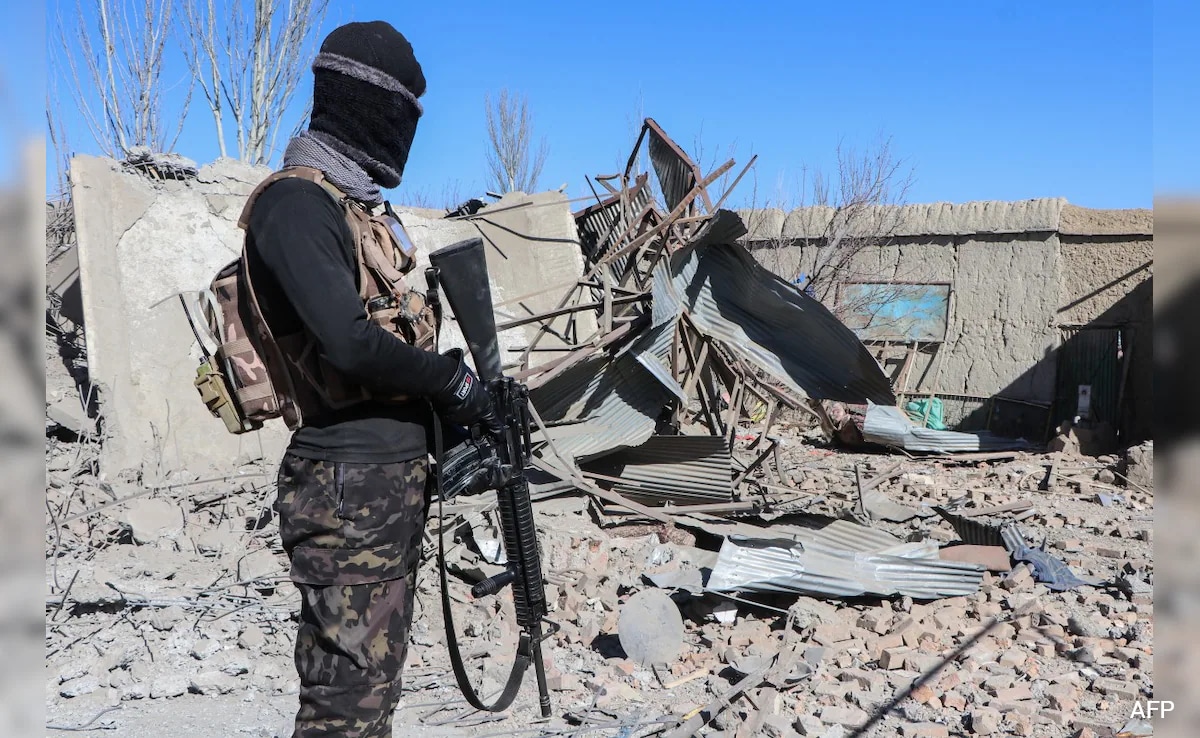
The collapse of Gaza’s water security is not an accident of geography. It is the result of a "recurrent, systematic, and cumulative pattern" of destruction. Since the escalation of hostilities in late 2023, and continuing through the fragile ceasefire initiated in October 2025, the Israeli Defense Forces (IDF) have decimated approximately 89% of the water and sanitation infrastructure in the Strip.
This destruction follows a specific hierarchy of attrition. First, the primary pipelines—the Mekorot lines that traditionally supplied bulk water from Israel—were either severed or operated at a fraction of their capacity. Second, the internal network of wells and pumps was targeted. Finally, the ability to repair this damage was neutralized by an administrative blockade. Israeli authorities routinely deny or delay authorization for essential items like water pumps, spare parts, and storage tanks.
The result is a territory with no independent means of producing drinkable water. Gaza's natural groundwater is naturally brackish and heavily contaminated by sewage and agricultural runoff. Without the chemicals and technology needed for desalination, the water coming out of the ground is essentially poison.
The Fuel Bottleneck
Even when desalination plants remain physically intact, they are often useless. Modern water treatment is an energy-intensive process. In Deir al-Balah and Khan Younis, the Southern Gaza Desalination Plant—designed to provide 16,000 cubic meters of water daily—saw its output crater to just 20% of capacity following an airstrike on its electricity supply line in late March 2026.
When the power grid fails, these facilities rely on diesel generators. By controlling the flow of fuel into the Strip, the Israeli military maintains a "on-off" switch for the entire region's hydration. Humanitarian agencies report that the volume of aid and private sector supplies entering Gaza has dropped significantly, falling from 900 truckloads per week in early 2026 to less than 400 by March.
The Counter Narrative and Technical Reality
COGAT, the Israeli military body overseeing aid coordination, disputes these findings. Their official position is that the water supply "consistently exceeds humanitarian thresholds." This claim rests on the theoretical capacity of the pipelines still connected to the Strip.
However, there is a vast gulf between the water that reaches a border terminal and the water that reaches a child’s cup in a tent in Al-Mawasi. A pipeline that terminates in a bombed-out neighborhood with no secondary distribution network is a statistical phantom. You cannot drink a press release.
Expert analysis of the terrain shows that the destruction of local water towers and decentralized pumping stations makes the "bulk supply" argument irrelevant. Without a functioning internal grid, the only way to move water is through a fleet of trucks that must navigate cratered roads and frequent military checkpoints.
Health Consequences of Dehydration
The weaponization of water has immediate, devastating physiological effects. In the overcrowded displacement camps, the lack of clean water for hygiene has led to an explosion of skin diseases, hepatitis A, and chronic diarrhea. For the 56,000 children who have lost one or both parents in this conflict, the lack of clean water is often more dangerous than the threat of a kinetic strike.
MSF’s medical teams are seeing a shift in the patient profile. While the early months of the conflict were defined by trauma surgery and blast injuries, the current phase is defined by the slow attrition of the immune system. Dehydrated patients do not recover from infections. Malnourished mothers cannot produce milk, and the absence of clean water makes baby formula a potential death sentence.
Legal and Ethical Implications
International humanitarian law is explicit. Attacking, destroying, or rendering useless objects indispensable to the survival of a civilian population is a war crime. This includes drinking water installations and irrigation works. The International Court of Justice (ICJ) has already warned that the deprivation of water and food may violate the Genocide Convention.
The MSF report characterizes these actions as "collective punishment," a term that carries specific weight under the Geneva Conventions. By targeting the infrastructure required for biological survival, the state of Israel is exerting a level of control over Palestinian life that exceeds traditional military objectives.
The Impending Departure of Aid
A more immediate crisis looms on the horizon. MSF's registration in Israel expired at the end of 2025, and as of April 2026, the organization is operating in an increasingly constrained legal environment. If MSF and other major NGOs are forced to cease operations, the water trucking and desalination support they provide—which currently sustains one in four people in Gaza—will vanish.
The strategy of thirst is not just about the current conflict; it is about the future viability of the territory. Rebuilding a decimated water network takes years and billions of dollars in investment. By shattering the grid now, the ability of the population to return to any semblance of normalcy in the "day after" scenario is being systematically eroded.
Restoring water access requires more than just a ceasefire. It requires an immediate end to the blockade on repair materials, a guaranteed and sufficient fuel supply, and the protection of water infrastructure as a neutral zone. Without these steps, the "silent bomb" of dehydration will continue to kill long after the guns go silent.