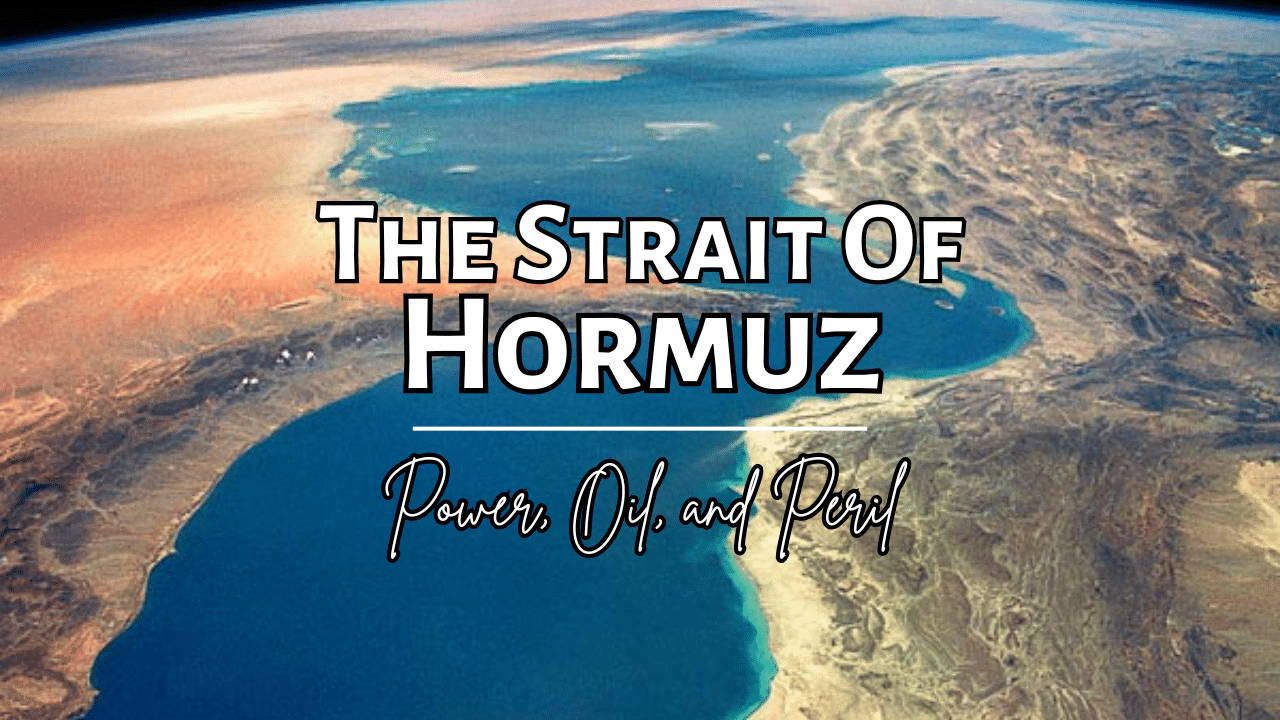
The headlines are screaming about a "historic supply shock." The pundits are dusting off their 1973 oil crisis notes. They want you to believe that if the Strait of Hormuz closes, the global economy dissolves into a Mad Max wasteland.
It is a tired, shallow narrative.
The consensus view—that the world is helpless against a Middle Eastern chokehold—ignores thirty years of structural shifts in energy markets. It ignores the reality of strategic reserves. Most importantly, it ignores the fact that the people threatening to close the Strait are the ones who need it open the most.
Stop checking the price of Brent Crude with trembling hands. The "catastrophe" everyone is selling you is actually a masterclass in geopolitical theater.
The Myth of the Irreplaceable Barrel
Mainstream financial media loves the "20% of global oil" statistic. They cite it as if every single drop of that oil vanishes forever the moment a tanker stops moving. This is mathematically lazy.
The global oil market is not a fragile glass vase; it is a pressurized hydraulic system. When one valve closes, the pressure forces flow elsewhere.
The "supply shock" narrative fails to account for three massive dampeners:
- The Deadweight of Spare Capacity: Saudi Arabia and the UAE don’t just have oil in the ground; they have pipelines that bypass the Strait. The East-West Pipeline (Petroline) in Saudi Arabia and the ADCOP pipeline in Abu Dhabi can move millions of barrels per day directly to the Red Sea or the Gulf of Oman. We aren't in 1973 anymore. The geography has been re-engineered.
- The SPR Buffer: The United States and IEA member nations hold massive Strategic Petroleum Reserves. These aren't just for "emergencies" in a vague sense; they are designed specifically for this exact scenario. A coordinated release can offset a Hormuz blockage for months—longer than any blockade could realistically last under international military pressure.
- The Invisible Glut: We are currently in a period of projected oversupply. Non-OPEC production, led by the US, Guyana, and Brazil, is hitting record highs. The "shock" is being absorbed by a sponge of Western production before it even hits the pumps.
Why Iran Won’t Pull the Trigger
The "insider" secret that no one wants to admit on cable news is that closing the Strait of Hormuz is an act of economic suicide for the very entities the West fears.
Iran’s economy is a rickety scaffolding held together by gray-market oil exports. To close the Strait is to stop their own cash flow. It is the equivalent of a store owner burning down the only entrance to his shop while he’s still inside.
Furthermore, a total blockage is a declaration of war against China.
China is the primary customer for Iranian crude. If Tehran shuts the Strait, they aren't just poking the "Great Satan" in Washington; they are cutting off the energy lifeline of their only major geopolitical benefactor. Beijing does not tolerate disruptions to its industrial supply chain. The moment the Strait closes, Iran loses its only shield against total international isolation.
The Logic of Price Spikes: Fear vs. Physics
When you see oil jump to $100 or $120 on "news" of a closure, you aren't seeing a reflection of supply and demand. You are seeing a volatility tax levied by algorithmic traders and panicked hedgers.
Physical oil takes weeks to move. The "shock" at the gas station is often a psychological reflex by distributors, not a literal shortage of molecules.
The Arithmetic of a "Shutdown"
Let's look at the actual math. If the Strait were theoretically closed for 30 days:
- Total "lost" volume: ~600 million barrels.
- Total global commercial and strategic stocks: ~8 billion barrels.
- Net impact: A roughly 7% dent in global liquidity.
Is 7% significant? Yes. Is it an "unprecedented apocalypse"? Hardly.
Most of that oil isn't "lost"; it's delayed. The moment the lanes clear—which the US Navy's 5th Fleet ensures happens quickly—the market is flooded with a backlog of tankers, leading to a massive price crash. If you buy the "supply shock" at the peak, you are the exit liquidity for the smart money.
The Real Danger: The Tanker Insurance Trap
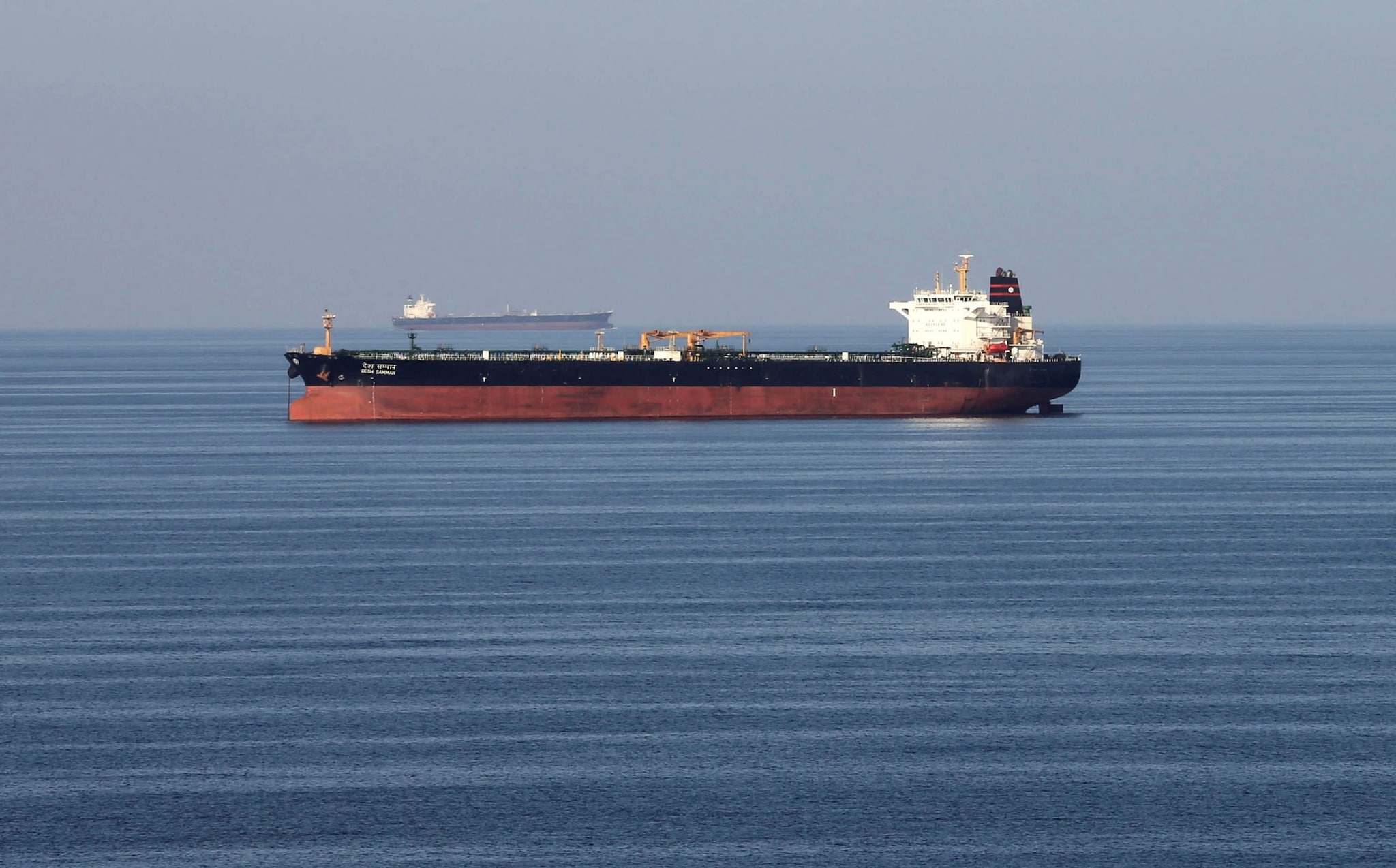
If there is a real threat, it isn't "no oil." It’s "expensive shipping."
The cost to insure a VLCC (Very Large Crude Carrier) skyrocketing is what actually drives the price at the margin. When "War Risk" premiums go up 1,000%, that cost is passed directly to the consumer.
I have seen traders lose their shirts because they focused on the geopolitics and ignored the maritime insurance contracts. You can have all the oil in the world available, but if Lloyds of London refuses to underwrite the hull, that oil stays in the terminal. This is a financial friction problem, not a resource scarcity problem.
Stop Asking if Hormuz Will Close
The question isn't "What if the Strait shuts?"
The question is "Why are you still anchored to 20th-century energy fears?"
The US is now the world’s largest oil producer. We are a net exporter of refined products. The "dependency" that defined the Carter and Reagan eras has evaporated. The panic you see in the media is a relic of a geopolitical reality that died ten years ago.
If you want to protect your capital, ignore the maps of the Persian Gulf. Watch the US shale decline rates. Watch the inventory builds in Cushing, Oklahoma. Watch the Chinese demand figures.
The Strait of Hormuz is a ghost story told by people who want to sell you gold or expensive oil futures.
Sell the headline. Buy the reality. And for heaven's sake, stop treating the 1970s as a roadmap for 2026. The world has moved on; it’s time your investment thesis did too.