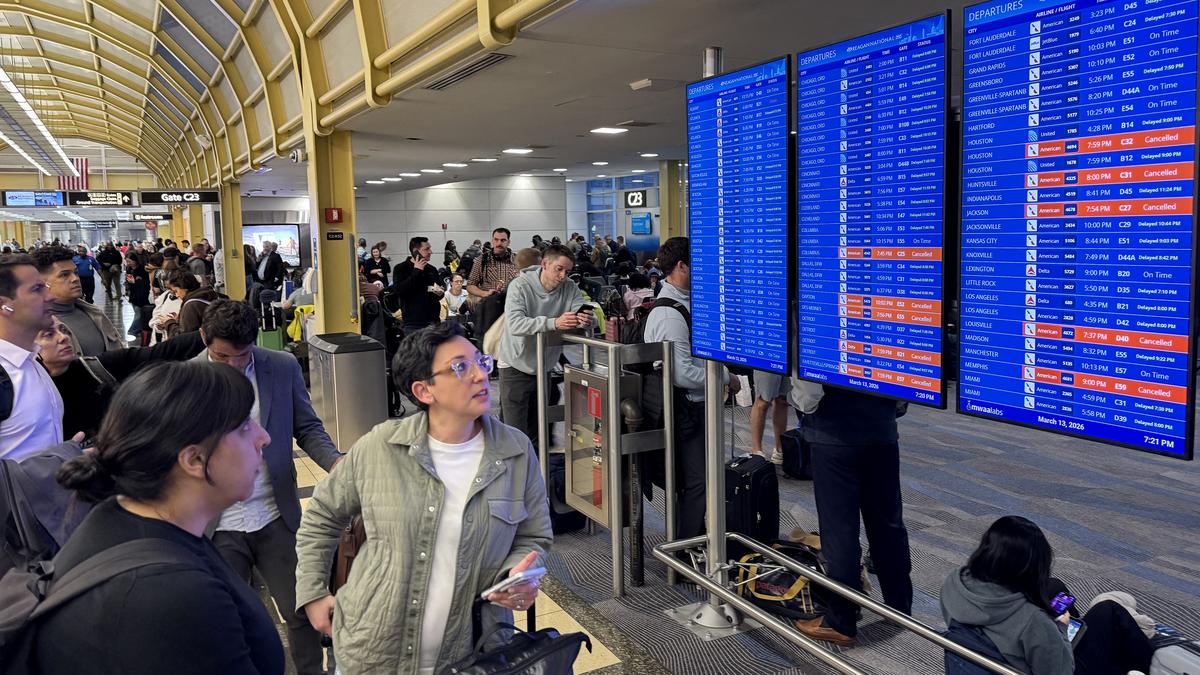
The headlines are screaming about a "mysterious chemical smell" that paralyzed the D.C. aviation corridor for an hour. They want you to think we narrowly escaped a localized apocalypse. They want you to picture toxic plumes and catastrophic safety failures at Reagan National, Dulles, and BWI.
It is theater. All of it.
The reality is far more mundane, yet far more damning for an industry that has traded operational resilience for a hair-trigger sensitivity to liability. What the mainstream media calls a "security incident" or a "safety grounding," any veteran hangar rat calls a Tuesday. We are living in an era where the inability to distinguish a hydraulic leak from a terror threat is considered "abundance of caution." It isn't caution. It is a fundamental decay in the technical literacy of our aviation infrastructure.
The Myth of the Mysterious Odor
The news reports treat "chemical smells" like ghost sightings. They are vague, terrifying, and impossible to pin down. In the world of aerospace engineering, smells are signatures. They are data points.
- Skydrol: A fire-resistant hydraulic fluid. It smells like a mix of vinegar and burning rubber. It is ubiquitous.
- Jet-A1: Kerosene with a heavy bouquet.
- De-icing Fluid: Propylene glycol. Sweet, like sickly maple syrup.
- Ozone: That sharp, metallic "electric" scent often found near high-voltage equipment or after lightning.
When "four major airports" experience a simultaneous halt because of a smell, we aren't looking at a chemical attack. We are looking at a failure of communication and a panicked over-correction by air traffic control (ATC) and ground operations. I have seen airlines burn $500,000 in fuel and crew time because a cleaning crew used the wrong industrial floor wax near a return-air vent. The "mystery" isn't the chemical; the mystery is why we’ve stopped trusting the sensors and started trusting the most panicked person in the room.
The High Cost of the One-Hour Halt
A one-hour ground stop at a hub like Dulles or Reagan National is not a one-hour delay. It is a six-hour ripple effect that destroys scheduling integrity across the entire East Coast.
When you halt departures for sixty minutes, you are effectively creating a logjam that forces incoming flights into holding patterns. Those flights eventually hit their "bingo fuel"—the minimum amount required to divert to an alternate airport. Once they divert, the planes are out of position, the crews "time out" under FAA Part 121 regulations, and your "one-hour smell" just canceled forty flights in Chicago and Atlanta.
The "abundance of caution" argument is a convenient shield for administrators who don't want to make a technical call. It’s easier to stop the world than it is to identify a localized HVAC intake issue. We have replaced engineering-based risk assessment with bureaucratic-based risk avoidance.
Sensors Don't Lie, People Do
Modern airports are packed with particulate sensors and VOC (Volatile Organic Compound) detectors. If there were a legitimate chemical threat, these systems would trigger specific, localized evacuations and fire suppression protocols.
Instead, we see a "halt." A halt is what happens when someone smells something they don't recognize, tells a TSA agent who doesn't recognize it, who tells a supervisor who wants to protect their pension.
If we actually cared about safety over optics, the response wouldn't be a blanket ground stop. It would be a rapid deployment of chemical sniffers—handheld devices like the ones used by CBRN (Chemical, Biological, Radiological, and Nuclear) teams—to verify the threat in ninety seconds. We don't do that. We wait for a "clear" from a fire marshal who is often just looking for a leak in a 30-year-old boiler room.
The Modern Traveler's Technical Ignorance
The public reacts to these stories with a mix of fear and annoyance because they no longer understand the machines that carry them.
In the 1960s, a passenger might recognize the scent of oil on a hot engine. Today, if a cabin smells slightly like a burnt grilled cheese sandwich (usually a sign of a minor electrical short in a galley oven), people start tweeting at the FAA. This atmospheric illiteracy forces the hands of pilots and controllers. If a pilot knows a smell is harmless but sees passengers filming their "near-death experience" on TikTok, they are forced to declare an emergency to avoid the PR nightmare.
The industry is being held hostage by the lowest common denominator of fear.
Stop Fixing the Smell, Fix the Response
The "Washington DC smell" wasn't a failure of chemistry. It was a failure of the tiered response system.
- Immediate Localization: Why did four airports feel the need to react? Unless there is a literal cloud of mustard gas moving across the Potomac, the systems are independent.
- Acoustic and Chemical Fingerprinting: Every airport should have an "Odor Library" available to ground staff. Does it smell like almonds? (Possible cyanide, but more likely a specific sealant). Does it smell like dirty socks? (Likely oil contamination in the bleed air system).
- The "Safety" Tax: We need to acknowledge that these ground stops are not "free." They increase the carbon footprint of every circling aircraft and put immense stress on an already fragile ATC network.
The next time you see a headline about a "chemical smell" stopping flights, don't ask what the chemical was. Ask why the most sophisticated transportation network in human history was defeated by a scent that any decent mechanic could have identified with one nostril.
We are building a world where we are too afraid to fly because we’ve forgotten how the planes work. The smell isn't the danger. The ignorance is.
Go back to the gate. Wait for the bureaucratic air to clear. Just don't call it safety.
Identify the leak. Check the bleed air. Keep the wheels turning.